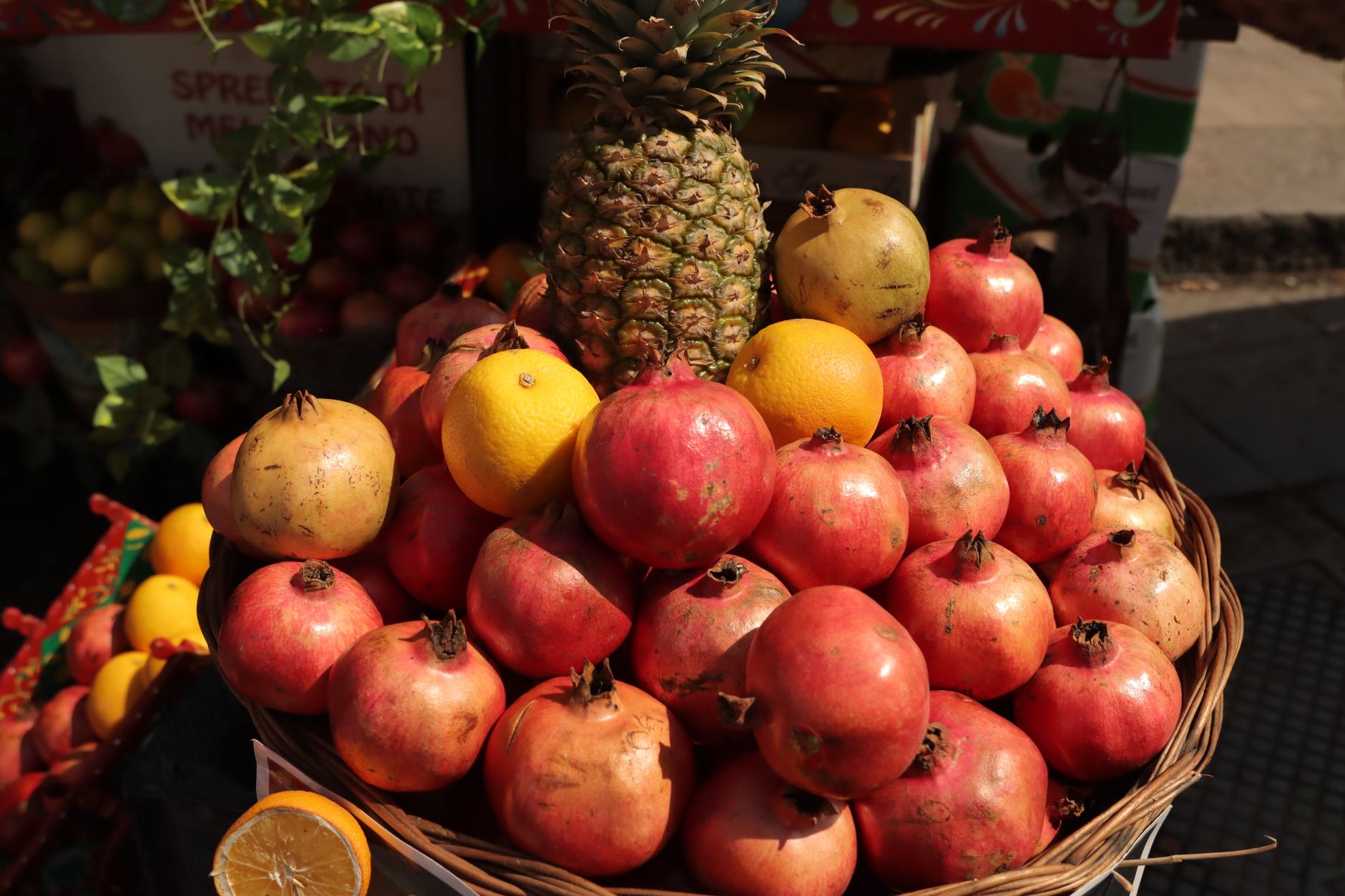
The mistake most visitors make in Palermo is treating its street food as a thing to photograph. You see it happening constantly at the Ballarò and Vucciria markets - someone holding up a pane ca’ meusa (spleen sandwich) for a shot before they’ve taken a bite, and then grimacing because it’s gone cold. The whole point of eating in Palermo is that it’s immediate. Hot fat, paper napkins, nowhere to sit down.
The Markets Are Not Interchangeable
Ballarò and Vucciria are both described in guidebooks as “historic food markets,” which makes them sound equivalent. They aren’t. Ballarò, in the Albergheria neighbourhood, is still a working-class market where locals buy groceries alongside the fried food stalls. It runs properly through the morning and winds down by early afternoon. Vucciria, by contrast, has become more of a nightlife district - the food stalls are real, but the crowd skews younger and the atmosphere shifts dramatically after dark. Neither is better. They serve different hours and different moods.
If you’re going for the food specifically, go to Ballarò before noon.
What to Order
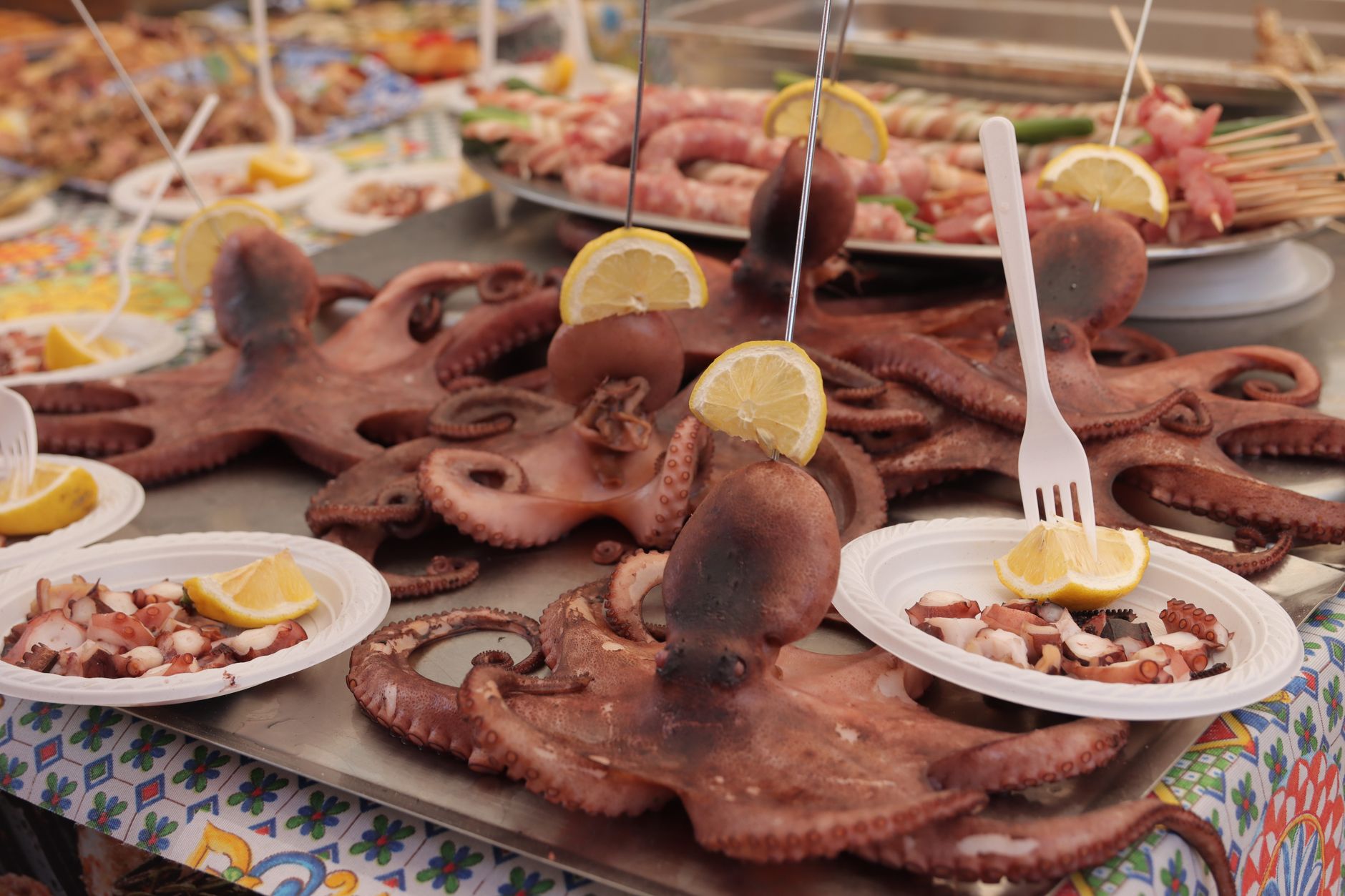
Pane ca’ meusa is the dish that gets written about most, partly because spleen is confrontational enough to make for good copy. It’s served in a soft sesame roll, either schiettu (plain, with lard and cheese) or maritatu (married, with ricotta added). The married version is richer and easier if you’re uncertain. The vendors who have been there longest tend to have the shortest queues - they move fast and don’t need to perform.
Panelle - chickpea fritters - are worth eating on their own rather than in a sandwich, so you can taste the texture properly. Same with crocchè, the potato croquettes that are essentially perfect fried food with no complicating agenda.
Timing Matters More Than Location
Saturday morning at Ballarò is as good as it gets. The stalls are fully stocked, the neighbourhood is awake, and the energy is not yet tourist-facing.
There’s something about eating in Palermo that resists being optimised. You can read every list and still end up at the wrong stall at the wrong hour, eating something lukewarm. That’s not failure - that’s just how cities that haven’t designed themselves around visitors tend to work. You adjust, you try again the next morning, and eventually you stop thinking about the photograph.