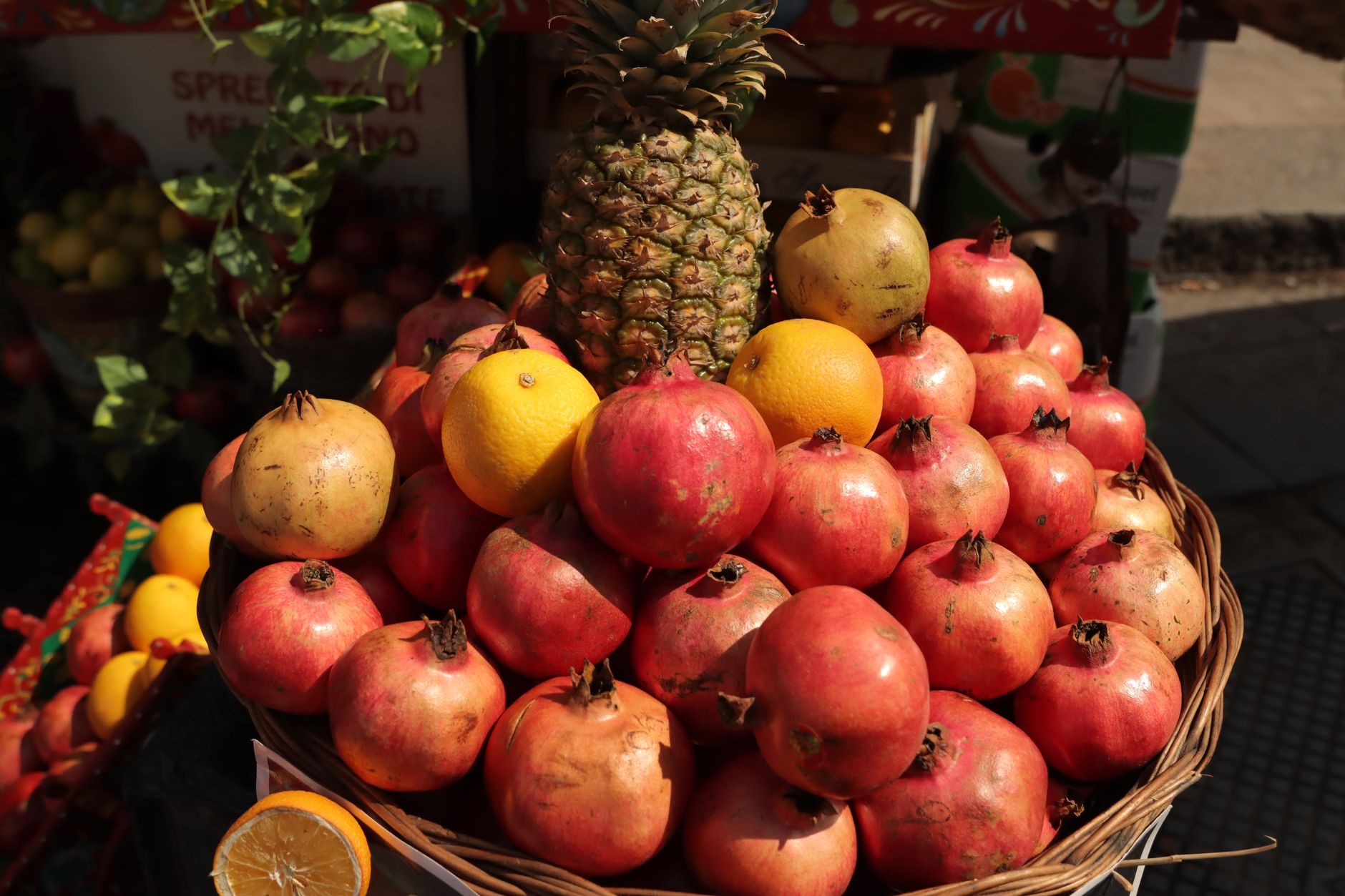
Palermo is one of the few Italian cities where the most serious food culture has almost nothing to do with sitting down. The best things to eat here - and some of them are genuinely among the best things to eat anywhere in the Mediterranean - are sold out of stalls, oil-stained carts, and smoky grills at the city’s street markets. Specifically at Ballarò, Vucciria, and Capo, the three historic markets that still function as actual food markets rather than tourist recreations of themselves.
Ballarò is the biggest and the most alive. It runs through the Albergheria neighbourhood, a dense, slightly crumbling part of the old city that tourists tend to move through quickly on the way to something else. That’s a mistake. The market opens in the morning and peaks around midday, and the food stalls - not the produce stalls, though those are worth attention too - sell things that are specific to Palermo in a way that doesn’t get diluted anywhere else in Sicily. Pani câ meusa is the one that stops most first-timers: a soft sesame roll stuffed with boiled beef spleen and lung, dressed with ricotta or sharp caciocavallo depending on how you order it. It sounds confrontational. It isn’t. It’s rich and savoury and much easier to eat than to explain.
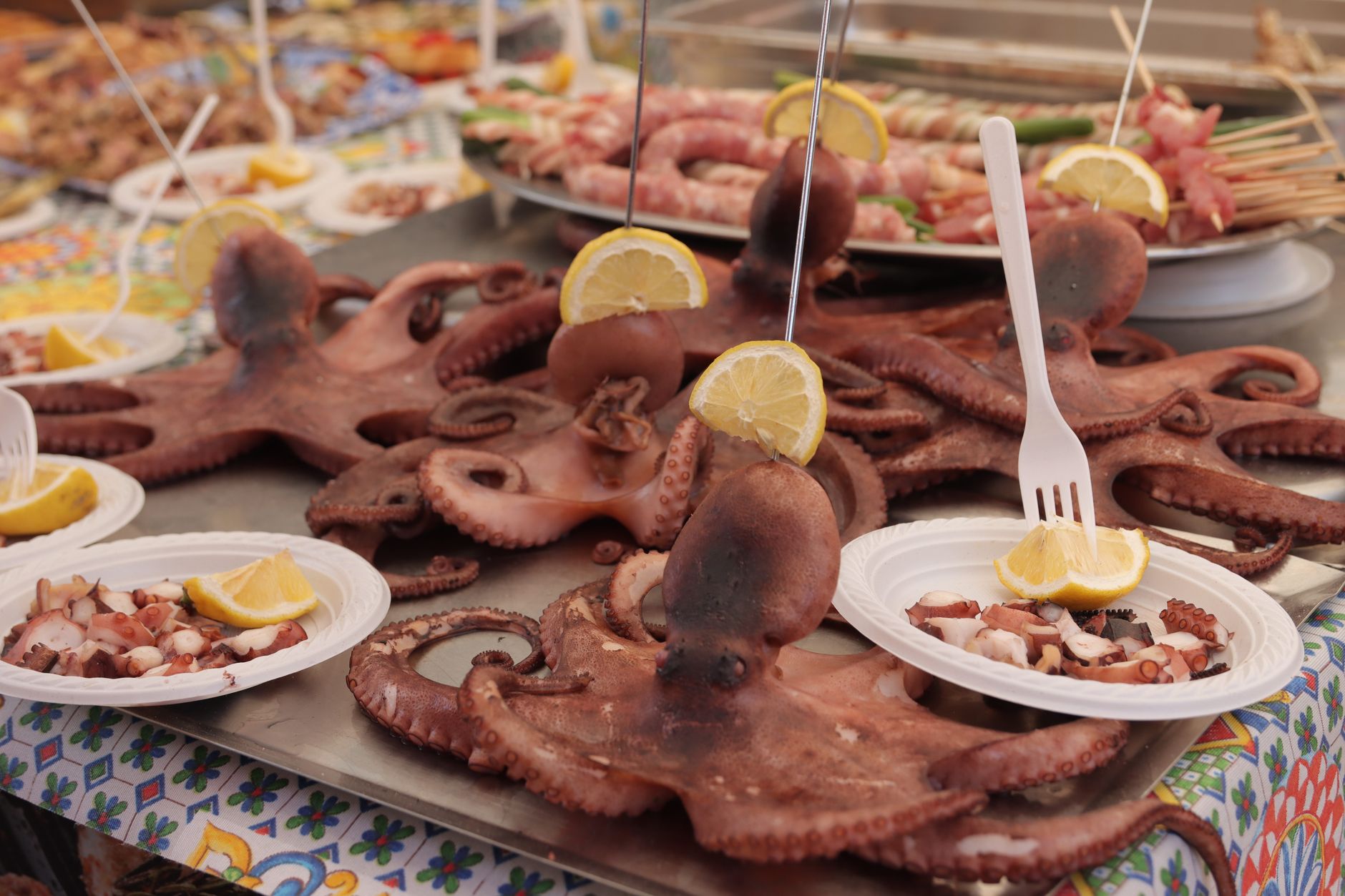
Vucciria is different now than it was thirty years ago - it’s smaller, busier at night, and more social than commercial - but it still has stalls selling stigghiola, which are grilled lamb or goat intestines wrapped around green onion and cooked directly over charcoal. The smoke alone will find you from two streets away.
The timing matters more than most guides acknowledge. Come before 1pm if you want the markets functioning as they actually function - vendors selling, locals shopping, the smell of frying panelle (chickpea fritters) mixing with raw fish on ice. After 2pm, Ballarò quiets considerably. Vucciria, by contrast, barely starts until evening.
What the markets do that no restaurant can replicate is compress the particular character of Palermo’s food history into a single walk. The Arab influence shows up in sweet-and-sour combinations and the use of sesame; the Spanish period left its mark on certain preparations; the Norman and North African layers are legible if you know what you’re tasting. None of this is presented to you interpretively. You just eat it, standing up, probably dripping oil on yourself, which is exactly how it should be.