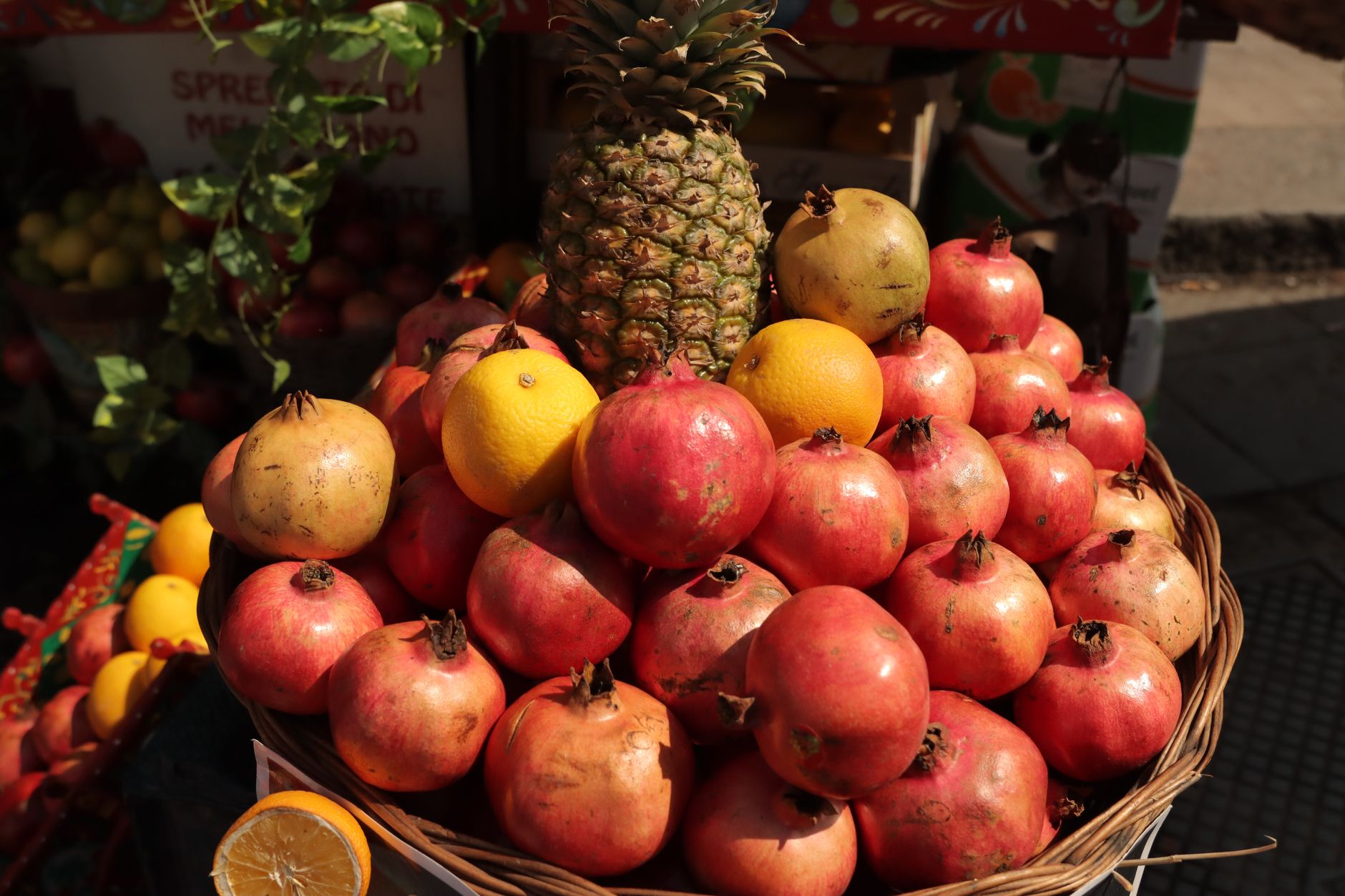
Ballarò is already in full roar by 7:30 in the morning. Vendors stacking artichokes the size of fists, butchers hanging cuts that would confuse most supermarket shoppers, old men arguing over the price of something in Sicilian dialect so thick it barely registers as Italian. If you arrive at 11am expecting a market, you’ll get the tail end - a few stalls, wilted greens, the smell of fish that left an hour ago.
This is the single most common way visitors misread Palermo. The city has three historic markets - Ballarò in the Albergheria quarter, Capo near the old Norman palace district, and Vucciria in the Kalsa - and they all operate on a schedule that assumes you’ve been awake since before breakfast. The produce trading is essentially done by mid-morning. What lingers past noon is a stripped-down version, tourist-tolerant but not the real thing.
Ballarò vs. Capo vs. Vucciria
Ballarò is the largest and the most working-class of the three. It’s also the most disorienting in the best possible way - the stalls bleed into side streets, and the boundary between market and neighbourhood disappears fast. This is where locals shop for the week. Capo is slightly more compressed, running along a single main artery, and tends to skew toward meat and cheese in a way that makes it easier to navigate. Both are at their most alive on weekday mornings.
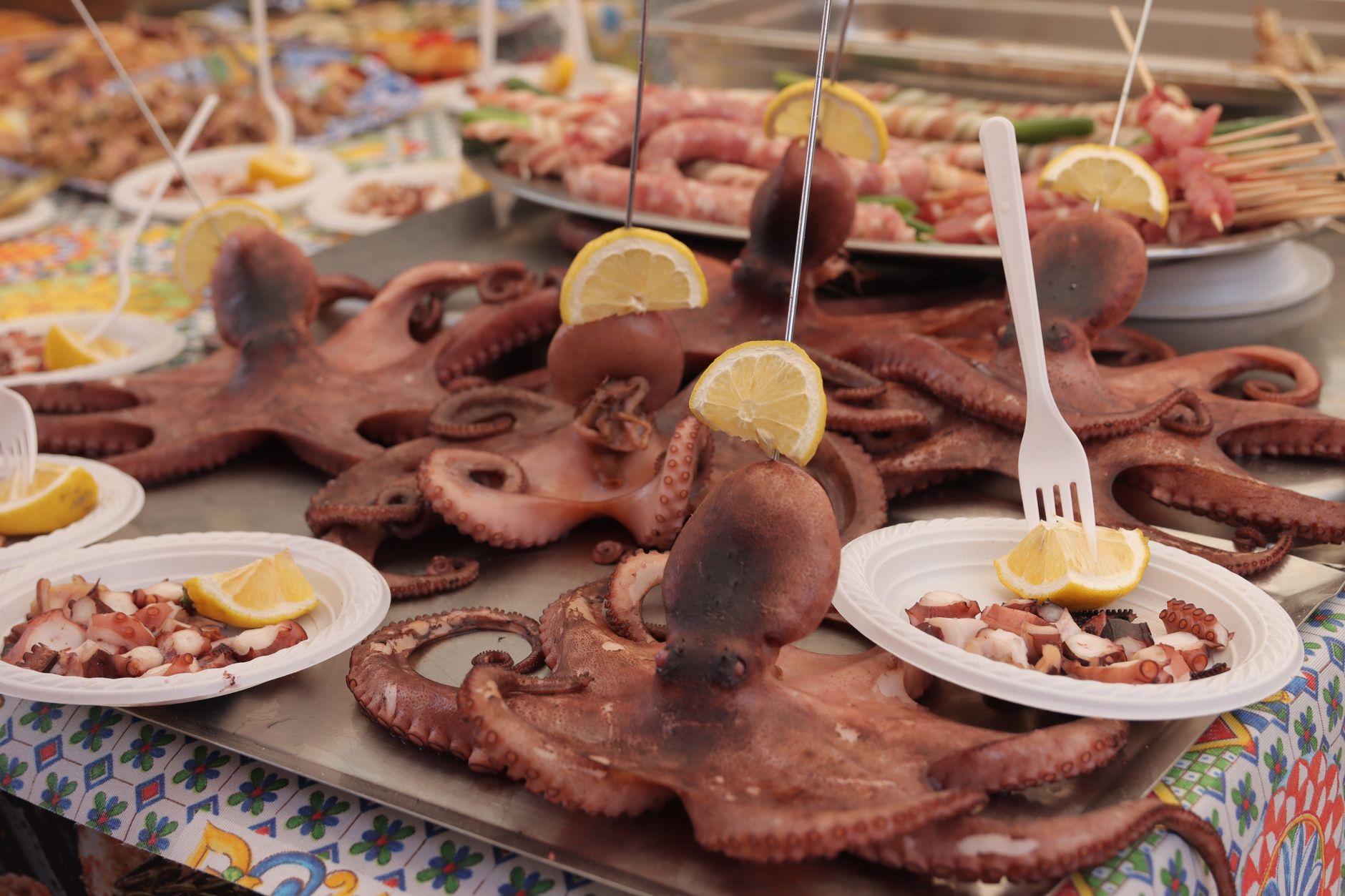
Vucciria is a different case entirely. It transformed over the past couple of decades from a functional food market into something closer to a nightlife district. By early evening, the stalls are mostly gone and the bars take over. It’s genuinely worth experiencing - cheap street food, cold beer, Palermitans in their twenties sitting on steps - but don’t confuse it with what it used to be.
What to Actually Eat There
Street food from the market stalls themselves is the move. Pane con la milza - bread stuffed with spleen, lung, and ricotta - is the Palermo test. It’s sold from small carts, costs almost nothing, and tastes like something that evolved separately from the rest of Italian cuisine, which in some ways it did. Sfincione, a thick Sicilian pizza with onion and anchovy, appears early and disappears fast.
The morning window is narrow. Palermo doesn’t wait around for anyone to catch up with it, and the markets least of all.