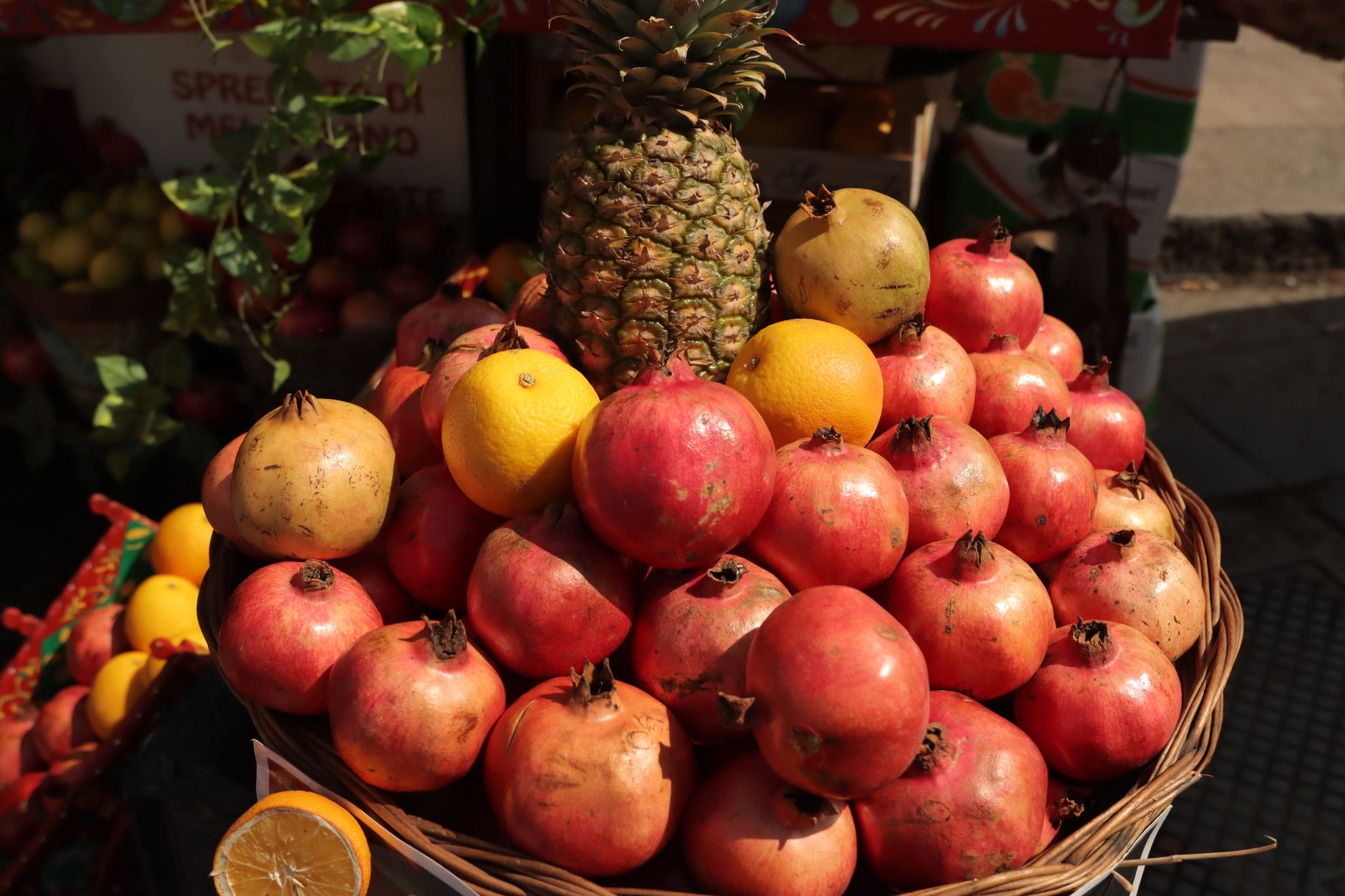
Palermo’s three main street markets - Ballarò, Vucciria, and Capo - are often listed in the same breath as though they’re interchangeable. They aren’t. Each one operates on a different schedule, draws a different crowd, and sells different things. Treating them as a collective tick-box is how most visitors end up photographing empty stalls at 11am and wondering what the fuss was about.
Ballarò is the one that still functions as an actual market. It runs from early morning until roughly early afternoon, and it’s where Palermo’s Ballarò neighbourhood - one of the city’s most densely populated and least touristic - does its daily food shopping. Stalls sell offal, swordfish collars, piles of ricotta, dried legumes, and street food that has no equivalent elsewhere in Italy. Stigghiola - grilled intestines wrapped around spring onions - is cooked over charcoal right there on the street. It’s not a performance. It’s lunch.
Capo operates similarly but skews toward produce and runs along Via Beati Paoli. It’s slightly calmer than Ballarò, slightly more navigable, and the vendors are less likely to be competing with each other at full volume. If you’re actually trying to buy ingredients rather than absorb atmosphere, Capo is probably the easier starting point.
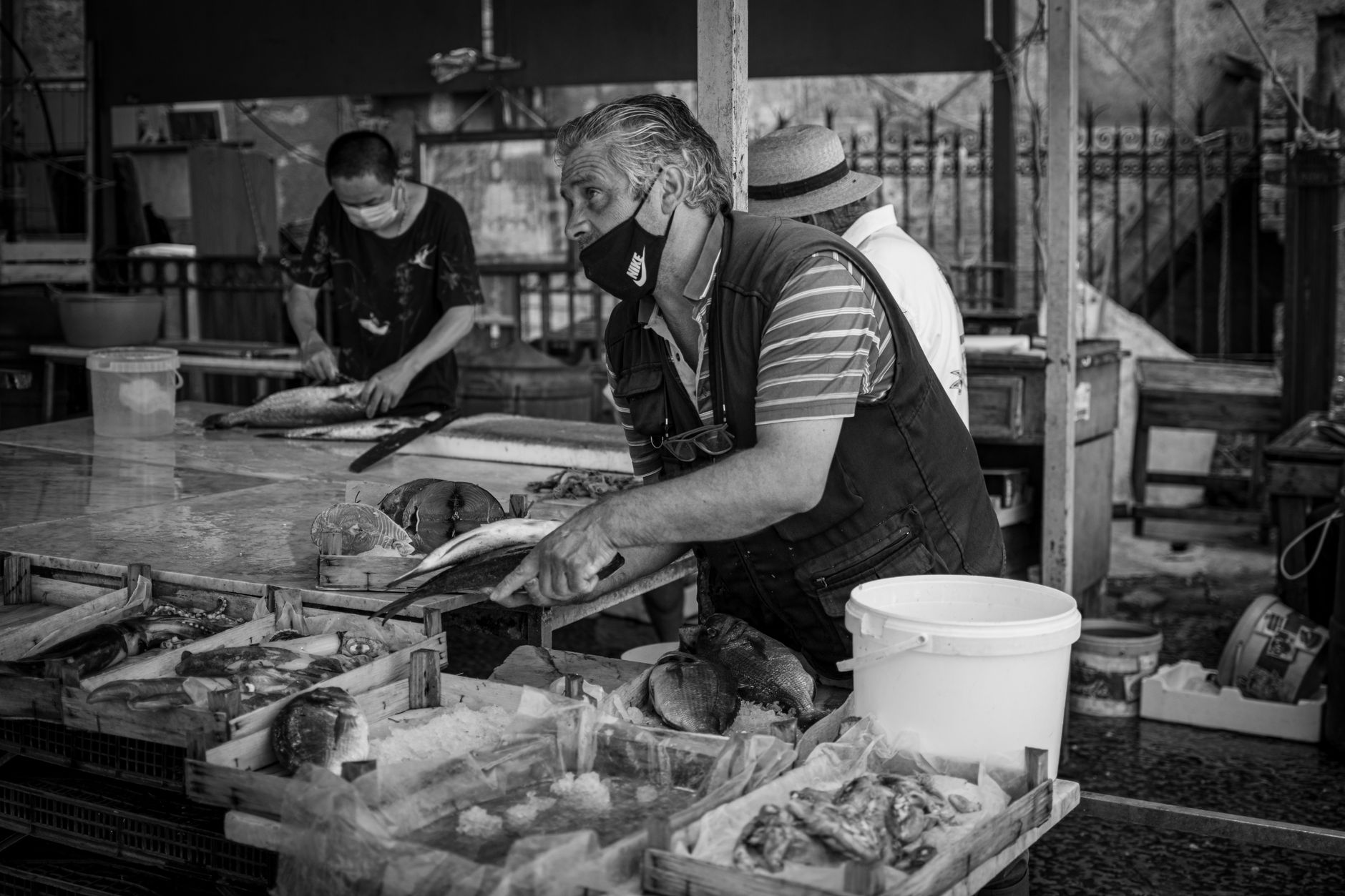
Vucciria is the one most likely to disappoint you if you arrive before dark. Its daytime incarnation is threadbare - a handful of stalls, a lot of concrete, the ghost of a market that was once the most famous in the city. At night it becomes something else entirely: a drinking spot for young Palermitans, with people spilling into the piazza from the surrounding bars. It’s genuinely good, but calling it a market after about 6pm is generous.
The practical point is this: if you want to see any of these markets functioning as markets, you need to be there by 9am at the latest, and ideally earlier. Palermo in general runs late - dinner before 9pm is unusual, bars fill up after 10pm - but the markets invert that logic completely. They belong to the morning, and by the time most visitors have finished breakfast and made their way across the city, the best of it is already gone.
The other thing worth knowing is that Ballarò sits inside a neighbourhood that rewards just walking. The streets between Via Maqueda and the market are full of baroque churches in various states of repair, small alimentari, and almost no one trying to sell you anything.