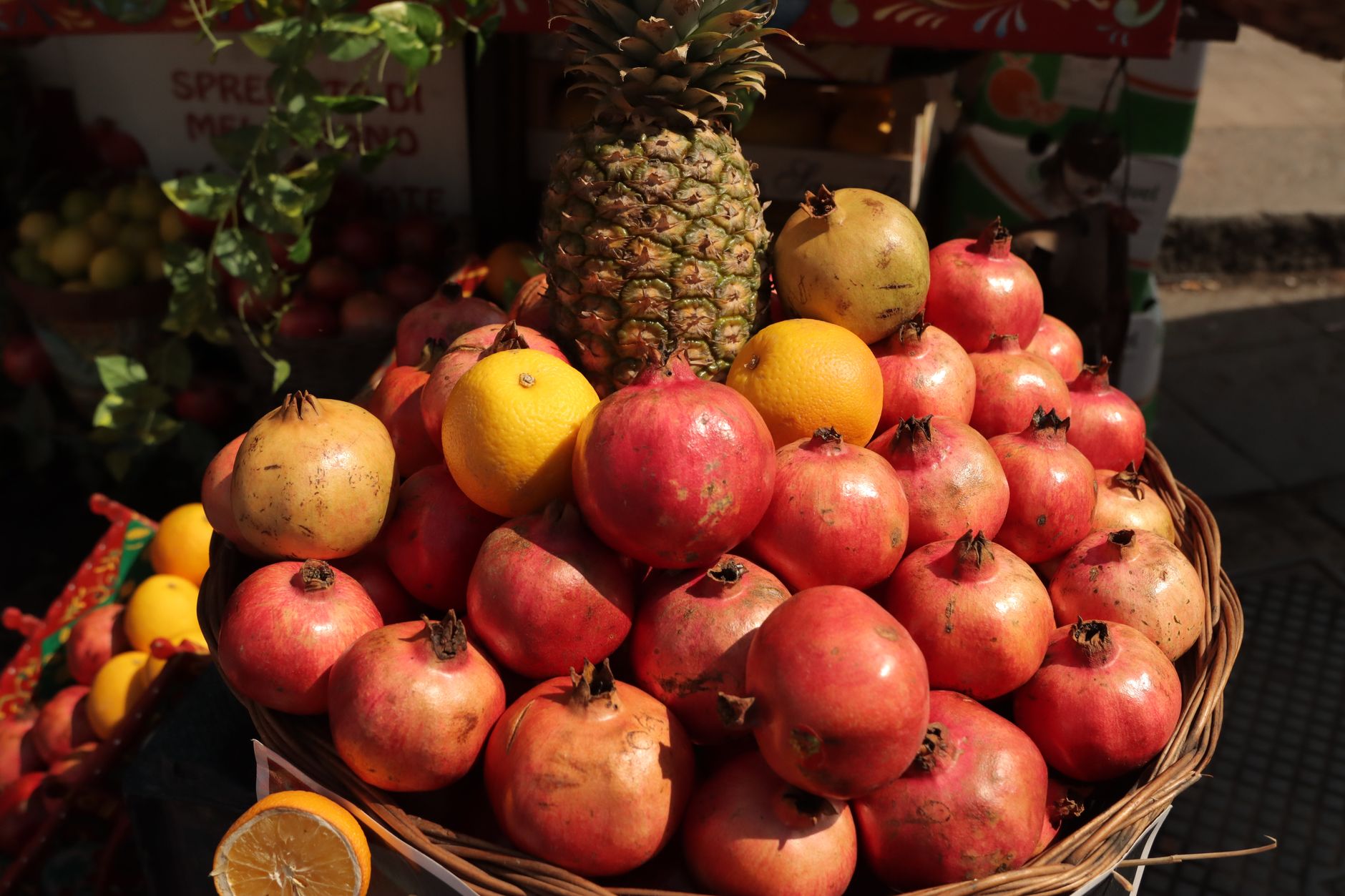
Palermo’s street markets are routinely described as ‘lively’ and ‘atmospheric’ in the kind of travel writing that tells you nothing useful. What those descriptions skip is the timing - specifically, that if you arrive after 10am expecting to shop like a local, you’re already late and the best of the fish is already gone.
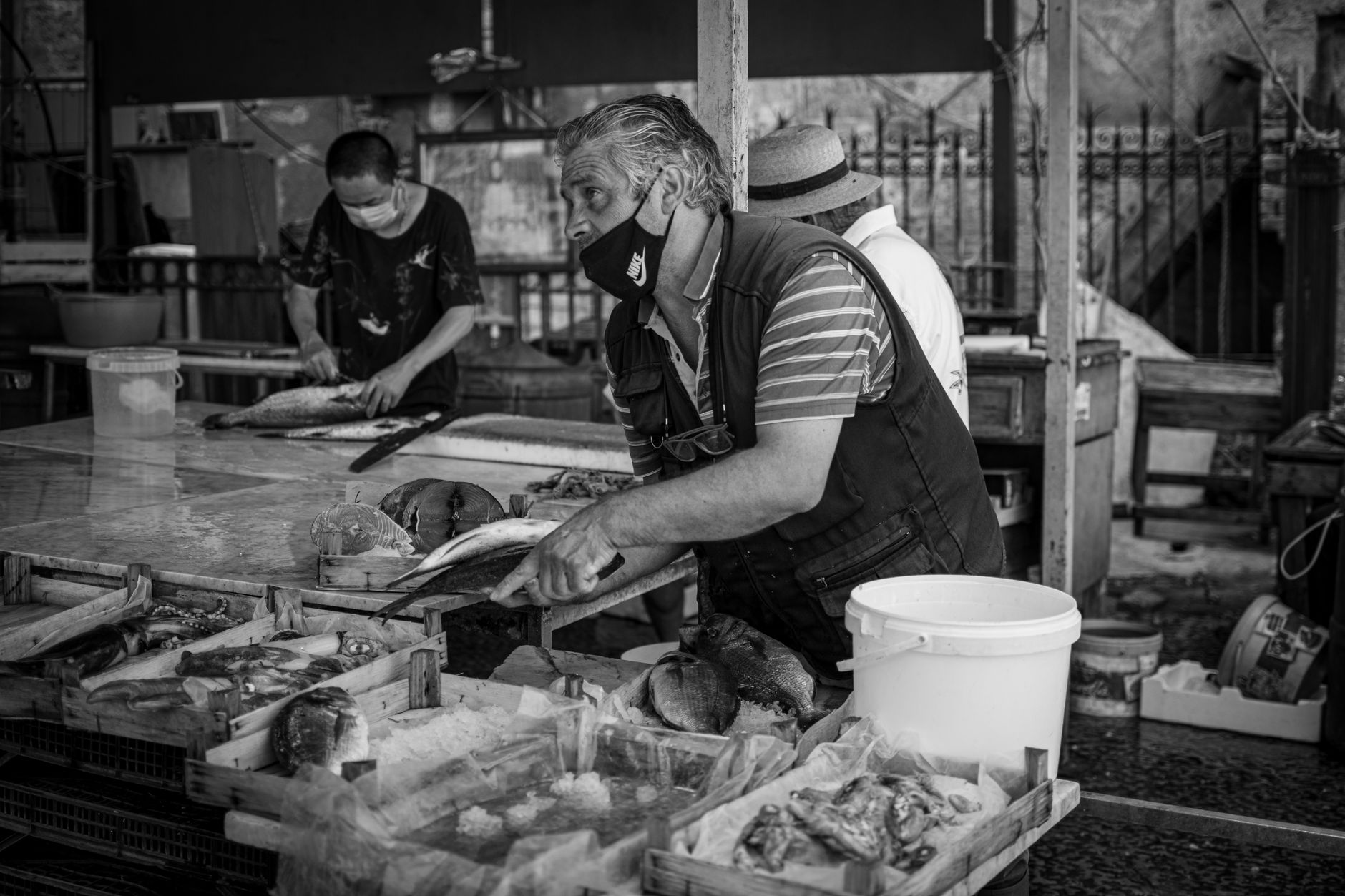
Ballarò, in the Albergheria neighbourhood, is the oldest and largest of the three main markets. It runs daily, but the serious business - the whole fish laid on ice, the offal stalls, the produce brought in from outside the city - is a morning operation. Vendors are set up before 7am. By midday the crowd has shifted noticeably from residents buying lunch ingredients to visitors photographing the remaining displays. Both are fine, but they’re different experiences.
The Vucciria Problem
Vucciria has a reputation that no longer quite fits the reality. It was historically Palermo’s most important market, depicted famously in Renato Guttuso’s 1974 painting of the same name. Now it trades on that history more than it operates as a functioning daily market. During the day it’s sparse. At night it becomes a drinking district, which is genuinely fun but completely different from what most people come looking for.
If you want Vucciria as a market, go before 9am on a weekday. If you want it as a place to drink cheap beer outdoors with Palermitans in their twenties, go after 9pm any night.
Capo Is the One Worth Prioritising
The Capo market, running along Via Sant’Agostino, gets less attention than Ballarò but is arguably more rewarding for a first-time visitor. It’s slightly more compact and the vendors are persistently vocal in a way that feels theatrical without being hostile - there’s a local term, abbanniate, for the rhythmic calls sellers use to announce their goods. It’s a real practice, not a performance put on for cameras.
Capo is also immediately adjacent to some of Palermo’s Norman-era architecture, so you can move between the market and the Cappella Palatina or the church of San Giovanni degli Eremiti without planning a separate trip.
On the Food Itself
Street food in Palermo is genuinely its own category. Pane ca meusa - a spleen sandwich - is the one most visitors approach with hesitation and most locals eat without ceremony. It’s sold from carts, not restaurants. Stigghiola, grilled intestine sold on skewers, appears at Ballarò specifically. These aren’t novelty items on a food tour itinerary. They’re cheap, fast, and have been sold this way for generations.
The markets work best when you treat them as infrastructure rather than attraction - the place you go to buy breakfast or pick up tomatoes, not the scheduled stop between the cathedral and the catacombs.