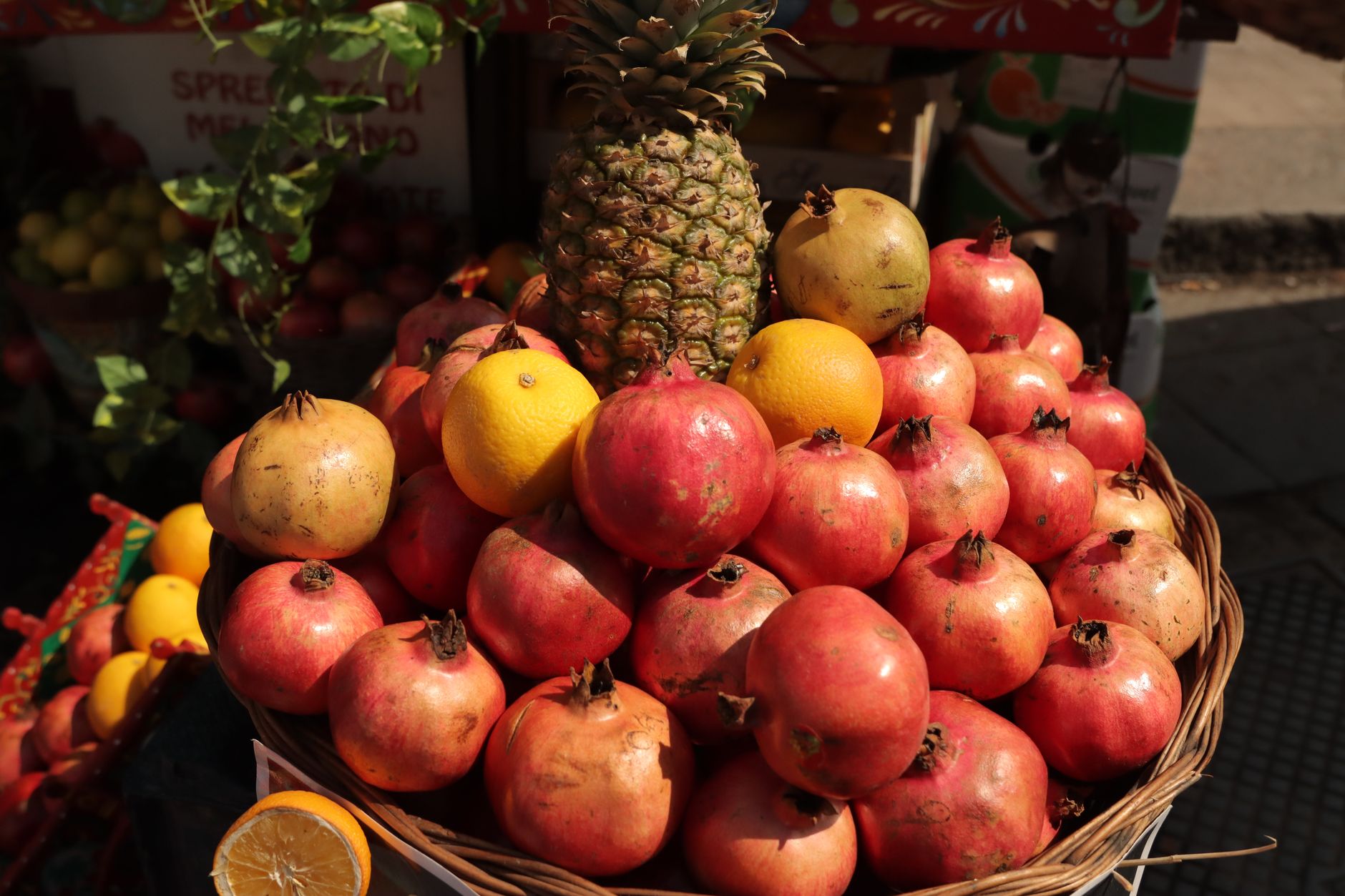
By nine in the morning, the serious business at Ballarò is already winding down. The fish vendors have been there since before sunrise. The offal carts - stigghiola on the grill, pani câ meusa being assembled without ceremony - were set up while most visitors were still at breakfast. If you’re planning to see Palermo’s street markets the way they actually function, the single most important thing you can do is change when you arrive, not where.
Ballarò is the oldest market in Palermo, running through the Albergheria neighbourhood in the city’s historic centre. It technically operates through the afternoon, and plenty of tourists walk through it after lunch and come away with a reasonable impression. But what they see is the retail layer - vendors holding out for stragglers, stalls thinning, ice getting slushy under fish that sold hours ago. The version that exists before eight in the morning is something else. Wholesale quantities, no concession to browsing, prices called out in Sicilian dialect to people who already know what they want.
Vucciria, nearby, has a complicated reputation. By evening it becomes a nightlife spot - young people drinking on the steps, music, the kind of scene that photographs well. Earlier in the day it’s smaller and quieter than Ballarò, but the morning dynamic is similar: arrive early or arrive as a spectator.
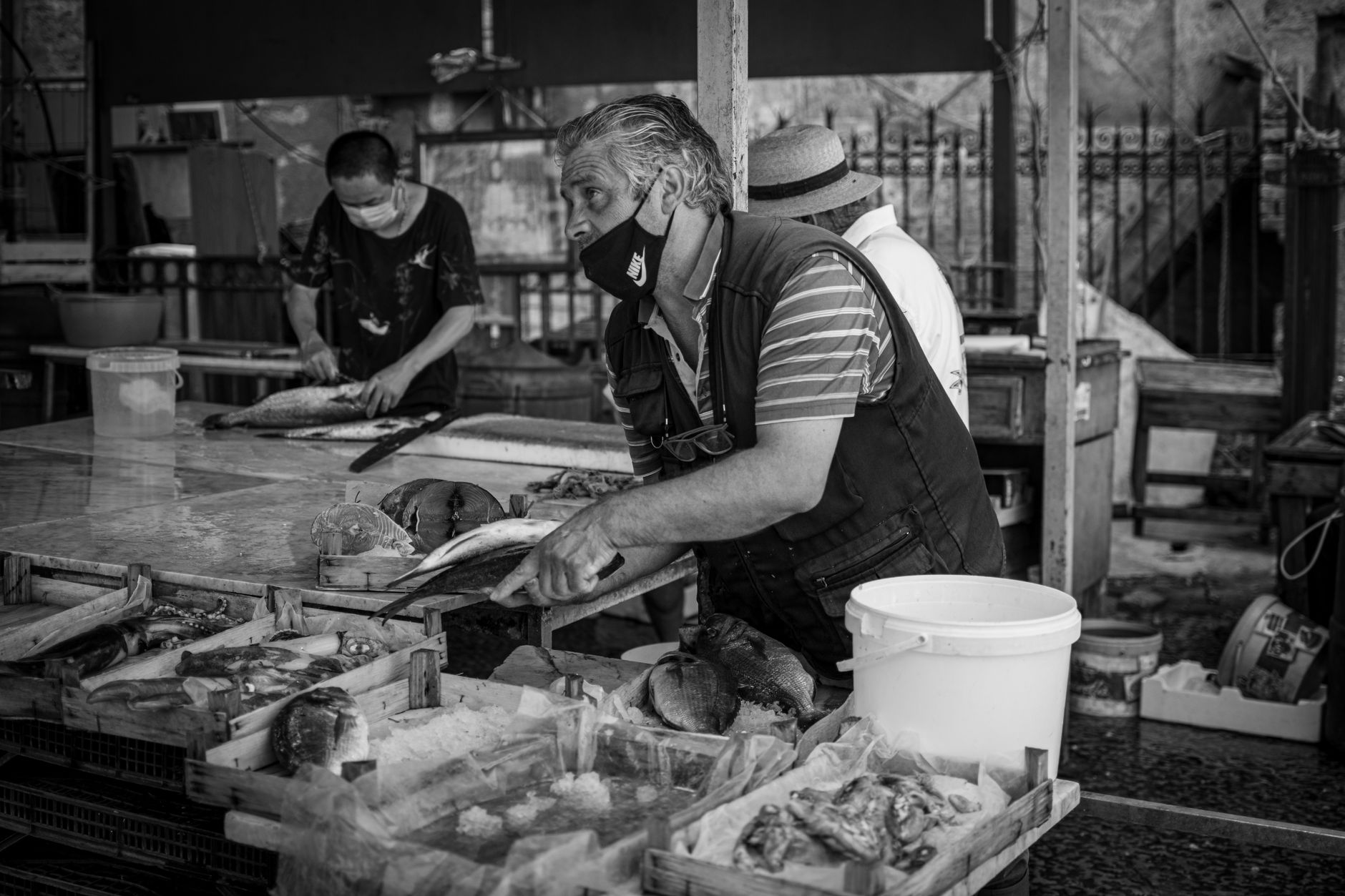
The practical upside of going early is that the city itself is cooler and almost silent by comparison. Palermo in October is still warm enough that midday feels like a commitment. Walking through the Albergheria quarter at seven, when the light is low and the market is loud and nobody is performing anything for outside consumption, is one of the more disorienting pleasures a Sicilian city offers.
There’s also the eating. Pani câ meusa - a roll filled with beef spleen and lung, typically finished with ricotta or caciocavallo - is a morning food. Not brunch, not a curiosity to try at noon. The vendors who do it properly are often sold out or closed by mid-morning. The same goes for sfincione, Palermo’s thick-based pizza, which travels badly and tastes best straight from whoever made it at five in the morning.
Palermo rewards the kind of traveller willing to reorganise their day around the city’s actual rhythms rather than slotting the market in between the cathedral and a cappuccino. It doesn’t adjust for you, and that’s precisely what makes it worth going to.