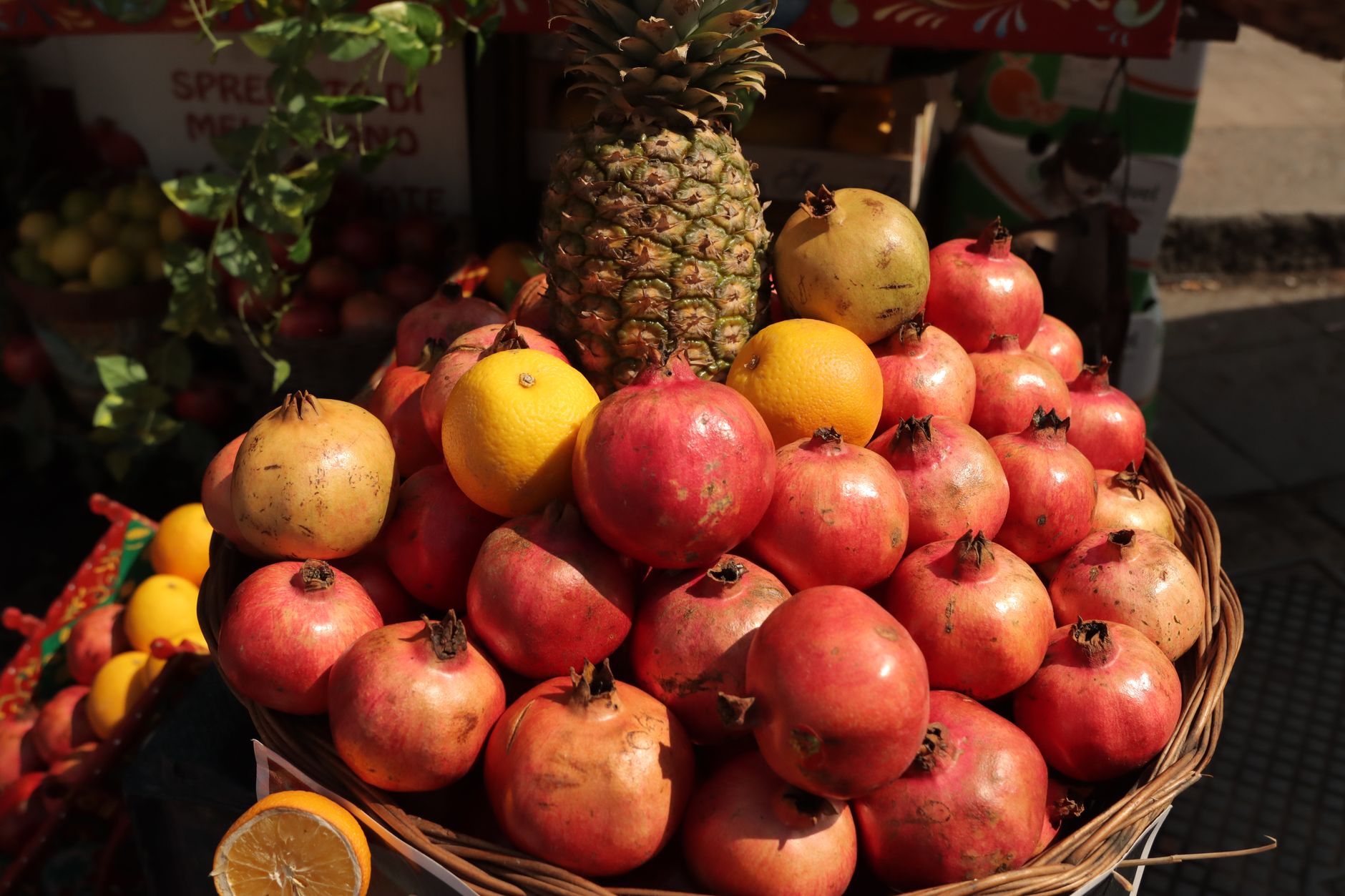
Palermo’s three historic street markets - Ballarò, Vucciria, and Capo - appear in every Sicily travel guide, usually illustrated with photographs of abundant fish stalls and vendors in motion. What those guides rarely mention is the time stamp on those photos. By 11am, half the stalls are packing up. By noon in summer, Ballarò is largely empty concrete and discarded vegetable trimmings.
These markets operate on the logic of a city that has been feeding itself this way for centuries, not on the logic of a tourist who slept in after an aperitivo-heavy night. Vendors arrive before sunrise. The serious buying - by restaurants, by households who have been shopping here their whole lives - happens between 7 and 9am.
Ballarò Is the One Worth Getting Up For
Of the three, Ballarò is the most intact as a functioning neighbourhood market rather than a performance of one. It runs through the Albergheria district, one of Palermo’s older and less gentrified quarters, and the range of produce reflects actual local eating: bitter greens, cured meats sold by weight, offal that doesn’t make it onto tourist-facing menus, street food cooked on portable equipment that has seen better decades.
The stigghiola - grilled intestines, typically lamb or chicken, wrapped around spring onions - is exactly the kind of thing that disappears once the morning crowd thins. You’ll find vendors with small charcoal setups near the market’s edge. Eat standing up. There is no other correct approach.
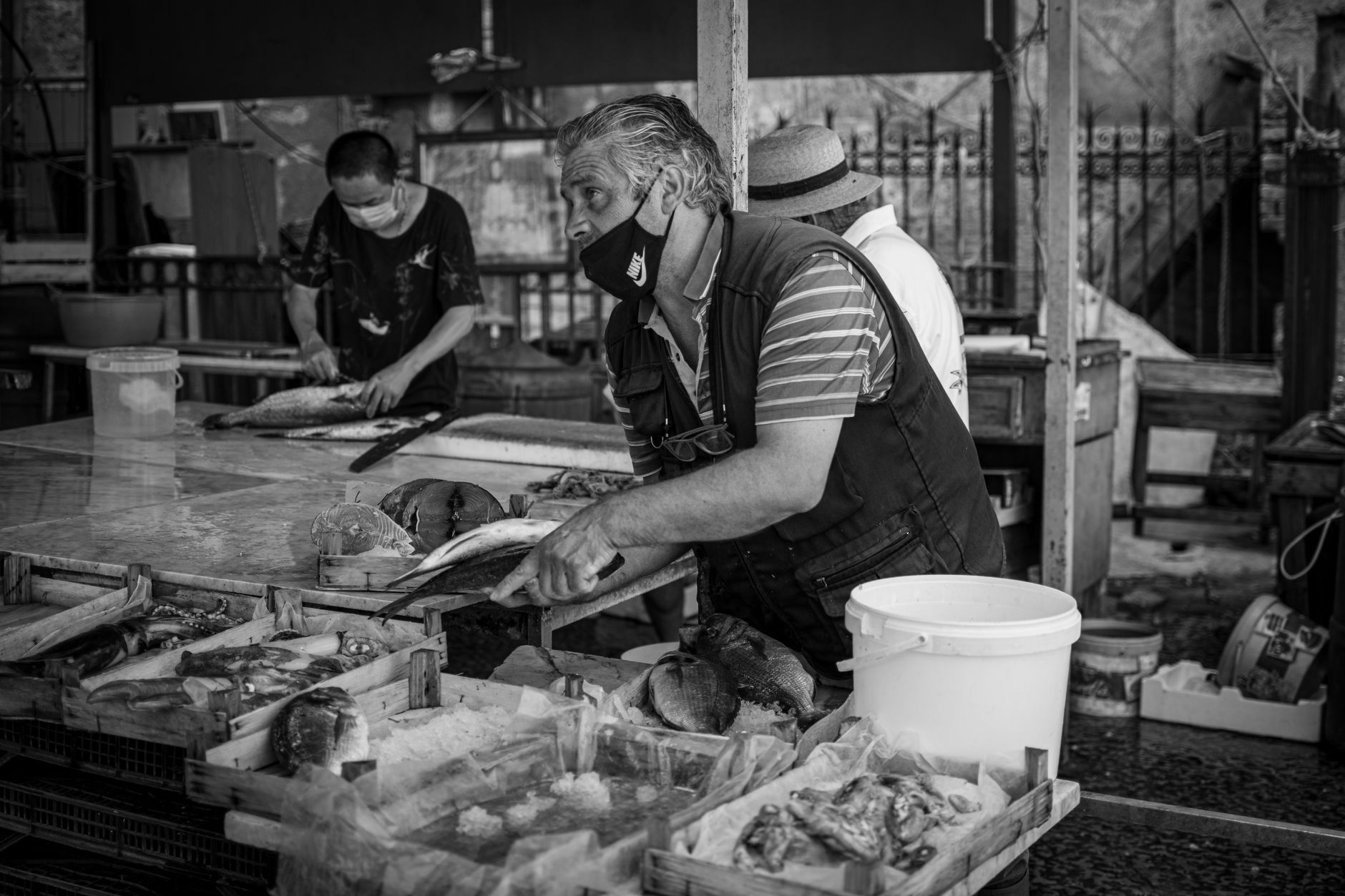
Vucciria, by contrast, has shifted significantly. It’s lively at night now, with bars and outdoor tables filling the square, which is worth knowing for other reasons - but the morning market character it once had is largely gone.
The Practical Part
Stay somewhere in or adjacent to Ballarò rather than the more polished accommodation near the waterfront. The distance isn’t huge, but the extra ten minutes of walking at 7:30am in September heat matters more than it sounds. Late September in Palermo runs warm - often still above 28°C by midday - which is another reason the market logic of early morning makes sense.
Capo market, which runs along Via Sant’Agostino, skews slightly more toward locals doing weekly shopping and slightly less toward prepared food. It’s quieter, less photographed, and probably a better introduction to the city if you arrive without the stomach for intestines before 8am.
None of this requires a food tour, a guide, or a booking. It requires setting an alarm.