
Palermo’s three historic street markets - Ballarò, Vucciria, and Capo - are on every itinerary, photographed constantly, and almost universally visited at the wrong time. Most travellers arrive mid-morning, after a hotel breakfast, and find half-empty stalls, bored vendors, and produce that’s already been picked over. What they’re seeing is the end of something, not the thing itself.
Ballarò, the largest and oldest of the three, runs in the Albergheria neighbourhood just southwest of the cathedral. It starts before 7am. By then, fishmongers have already laid out swordfish steaks and whole red mullet on beds of crushed ice, and the vegetable sellers are arranging blood oranges and courgettes with the flowers still attached. The noise level - the abbanniate, the traditional vendors’ chant used to call attention to their goods - is loudest in that first hour. It quiets down as the morning wears on and the serious buyers leave.
Vucciria is different in character and worth treating separately. It lost much of its daytime market function decades ago and now operates mainly as a nighttime eating and drinking spot around Piazza Caracciolo. Showing up expecting a bustling food market at noon will disappoint. But arriving after 9pm on a weekend, when the piazza fills with locals eating pani câ meusa (spleen sandwiches) from street stalls and drinking from plastic cups, is a completely different experience - one that has nothing to do with tourism and everything to do with the neighbourhood.
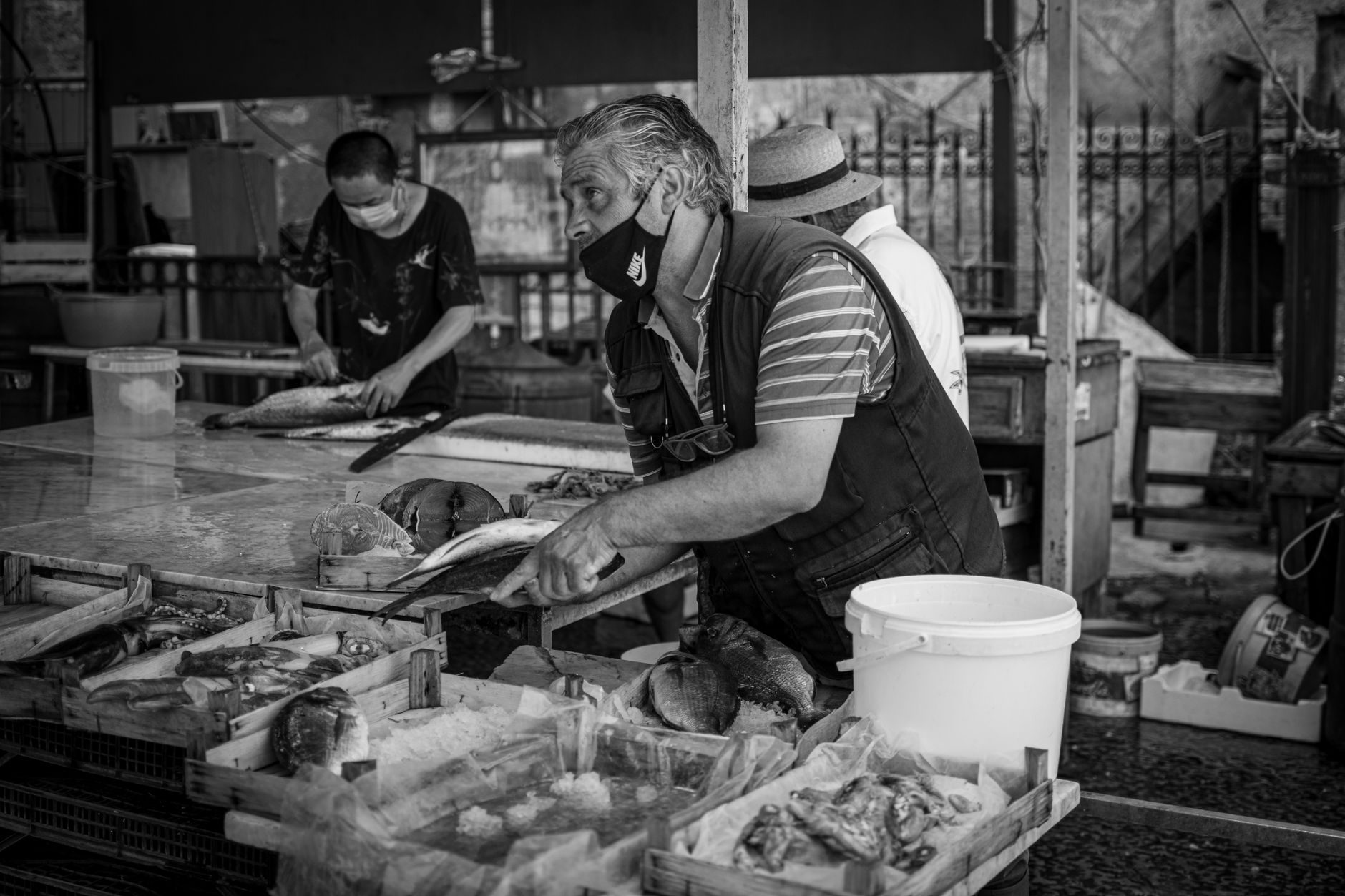
Capo, running along Via Sant’Agostino, keeps the most consistent hours and is the most practical for actual shopping. It’s also the least-visited by travellers, which means vendors are less performative, prices are lower, and no one is trying to hand you a sample.
The one practical shift that changes everything
Set your alarm. Go to Ballarò at 7am before you’ve eaten anything. Buy something you don’t recognise and figure it out later. The market is not designed to explain itself to you, and that’s exactly what makes it worth the early wake-up.
Palermo rewards the people willing to operate on its schedule rather than their own. The city is not indifferent to visitors - it’s just deeply indifferent to convenience.