Most cities have a market. Palermo has three that have been running continuously for centuries, each occupying a different neighbourhood and operating on a different social logic. Treating them as a single attraction - the way a lot of itineraries do, lumping them under ‘Palermo markets, half day’ - means missing what makes each of them distinct.
Ballarò Is the One That’s Actually Still Functional
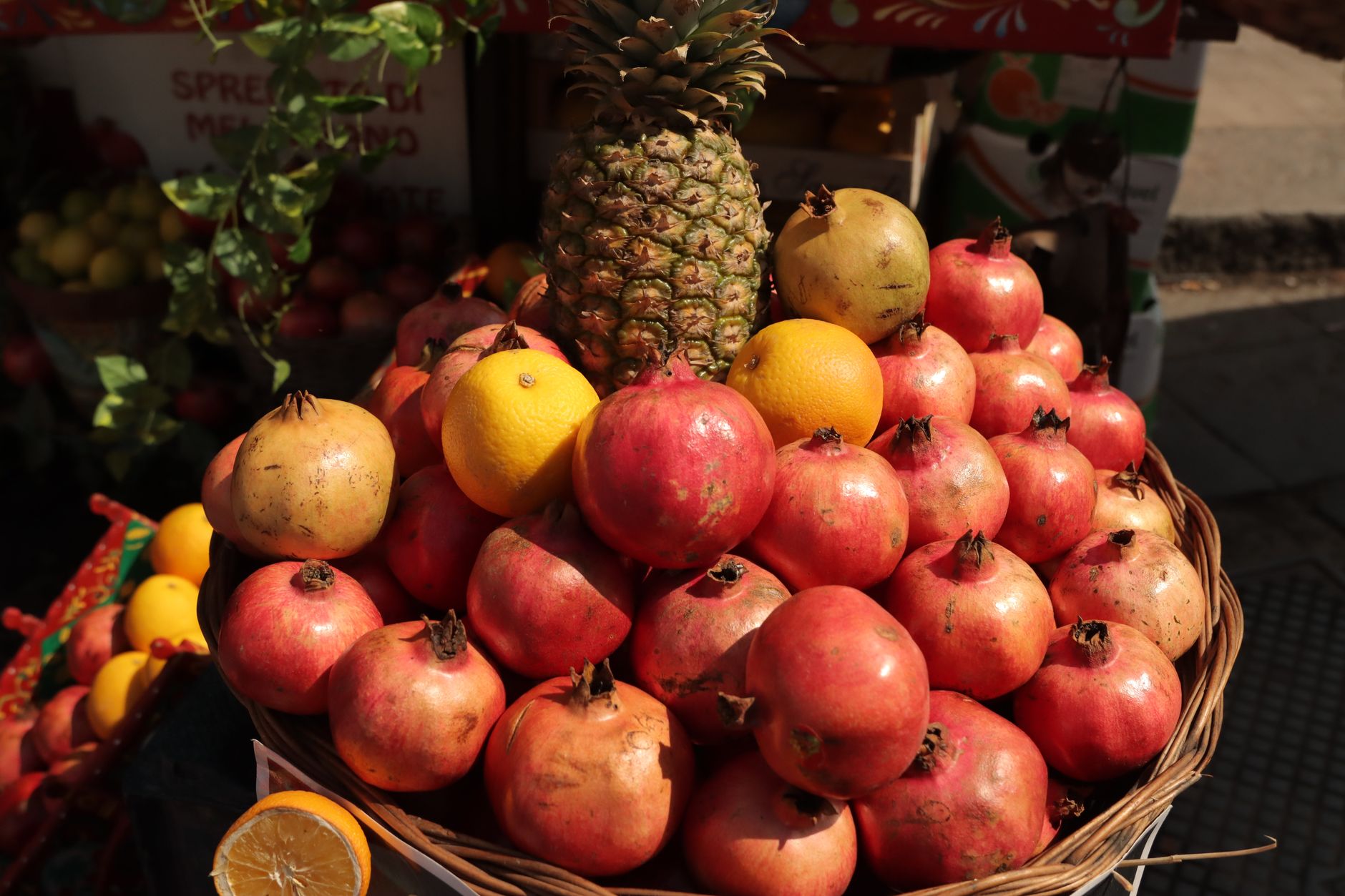
Of the three, Ballarò is the only market where locals reliably still shop for food. It runs daily in the Albergheria neighbourhood, roughly from early morning until early afternoon, and it sells the things a household needs: fish caught that morning, eggplant in quantity, offal, dried goods, cheap clothing. The produce stalls are real commerce, not nostalgia retail.
This matters because Vucciria - which gets more tourist attention partly due to its reputation and partly due to its proximity to the historic centre - has shifted almost entirely into a nightlife hub. By day it’s quiet, a few stalls, some bars. By night it’s tables in the street, loud music, and young Palermitans drinking. That’s worth knowing before you go at 10am expecting the market scene from old photographs.
Capo Is Louder Than You Expect
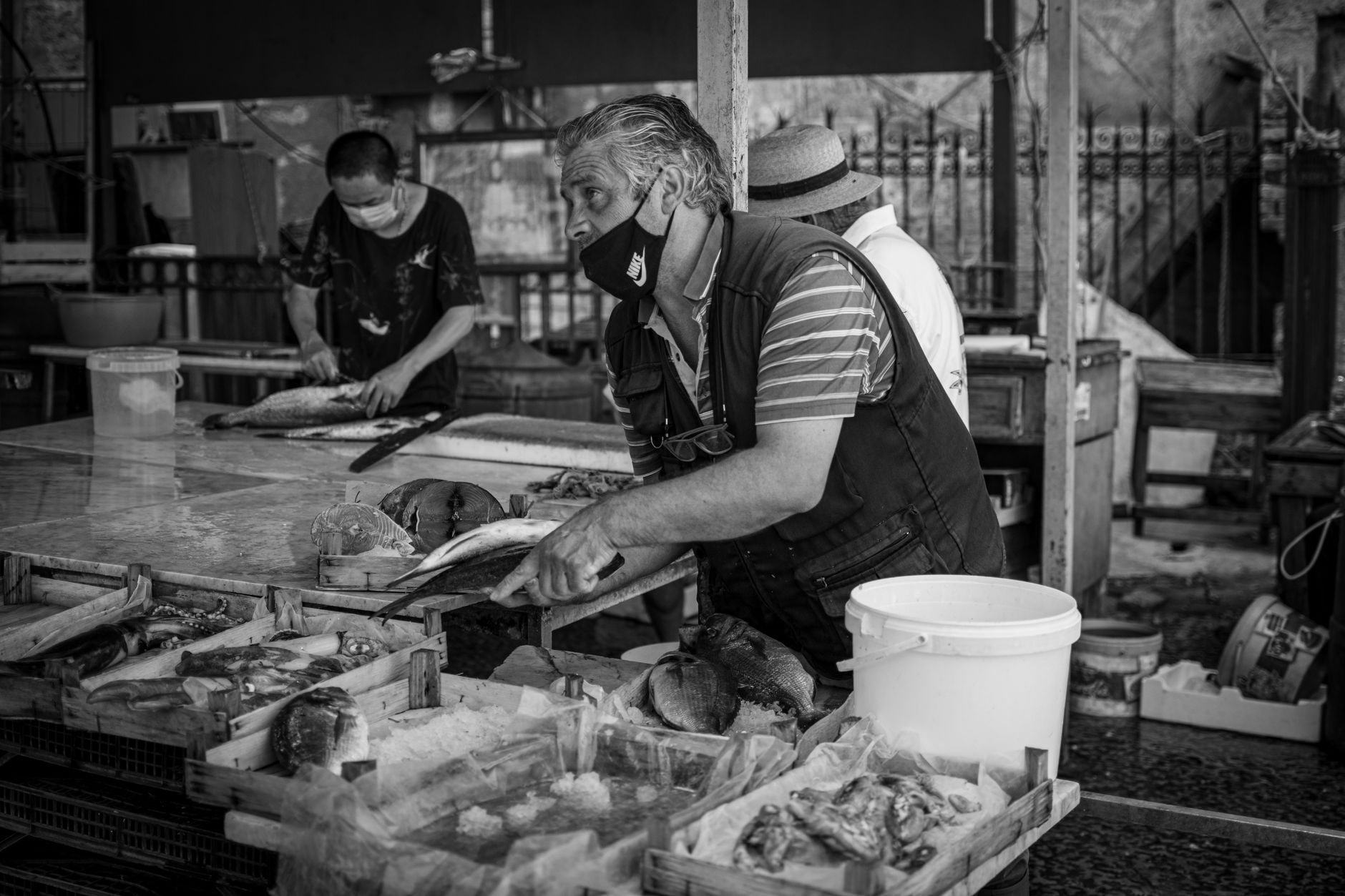
Capo, running along Via Beati Paoli and its surrounding streets near the Norman Palace, sits somewhere between the two. It’s active during the day, sells food, and hasn’t fully tipped into evening-only entertainment. The vendors here are notably louder - the calling out to passing customers, the theatrical pricing conversations - and it’s the market that best approximates what food shopping in this city has sounded like for a very long time.
The stalls selling stigghiola - grilled lamb or goat intestines wrapped around spring onions, cooked over charcoal directly on the street - are not a performance for visitors. They’re a standard quick lunch.
The Practical Detail Most People Skip
All three markets are at their best before noon. After 1pm, Ballarò and Capo wind down fast and the good produce is gone. Go to Ballarò first, on a weekday morning, before you’ve oriented yourself to the city. The disorientation is useful - the density of the stalls, the narrow covered streets, the smell of fish and charcoal - it tells you more about Palermo’s actual texture than any walk along the waterfront.
Vucciria is worth a separate visit, in the evening, with completely different expectations.