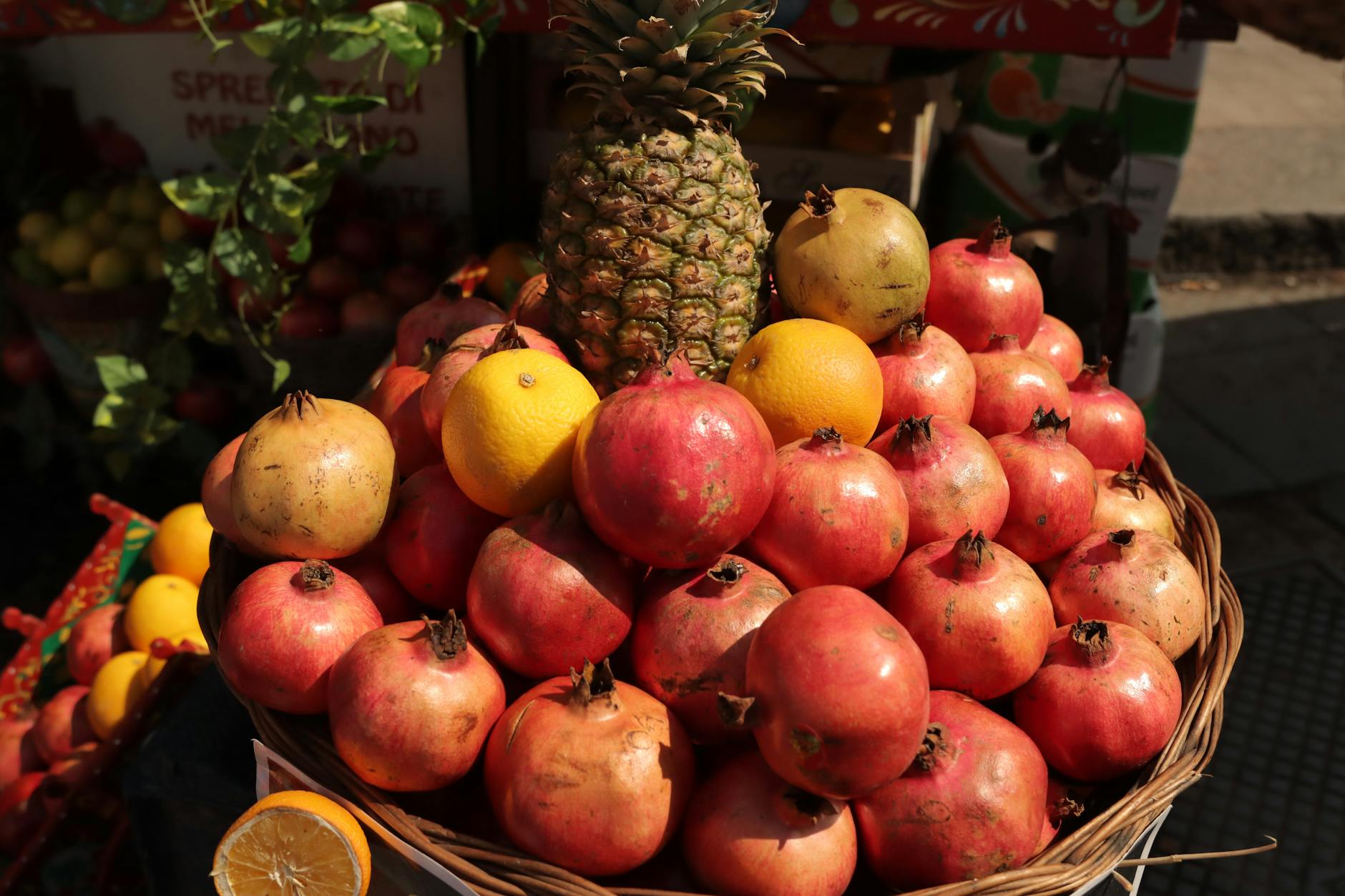
Most visitors to Palermo discover Ballarò around noon, after a leisurely hotel breakfast, camera ready. By then, they’ve missed the market entirely - or at least the version that matters. The serious buying is done by 9am. What remains at midday is performance: vendors holding up swordfish for photographs, tourists clutching arancine in paper napkins, the whole scene softening into something manageable and slightly false.
The real Ballarò opens before most guesthouses serve coffee. Vendors are stacking crates of fennel and blood oranges while the streets still smell of last night’s rain. The noise is specific - not ambient chaos, but layered and purposeful. A fishmonger calling prices in Sicilian dialect. A woman arguing over the weight of a bag of dried chickpeas. Someone loading a motorino through the crowd without slowing down. None of it is staged, because none of it is for you.
This is worth understanding about Palermo’s street markets more broadly: they function as actual supply chains for the city’s kitchens, both domestic and professional. Ballarò, Capo, and what remains of Vucciria are not tourist attractions that happen to sell produce - they’re wholesale and retail food markets that happen to be walkable. The distinction changes how you move through them.
Vucciria Is a Different Animal
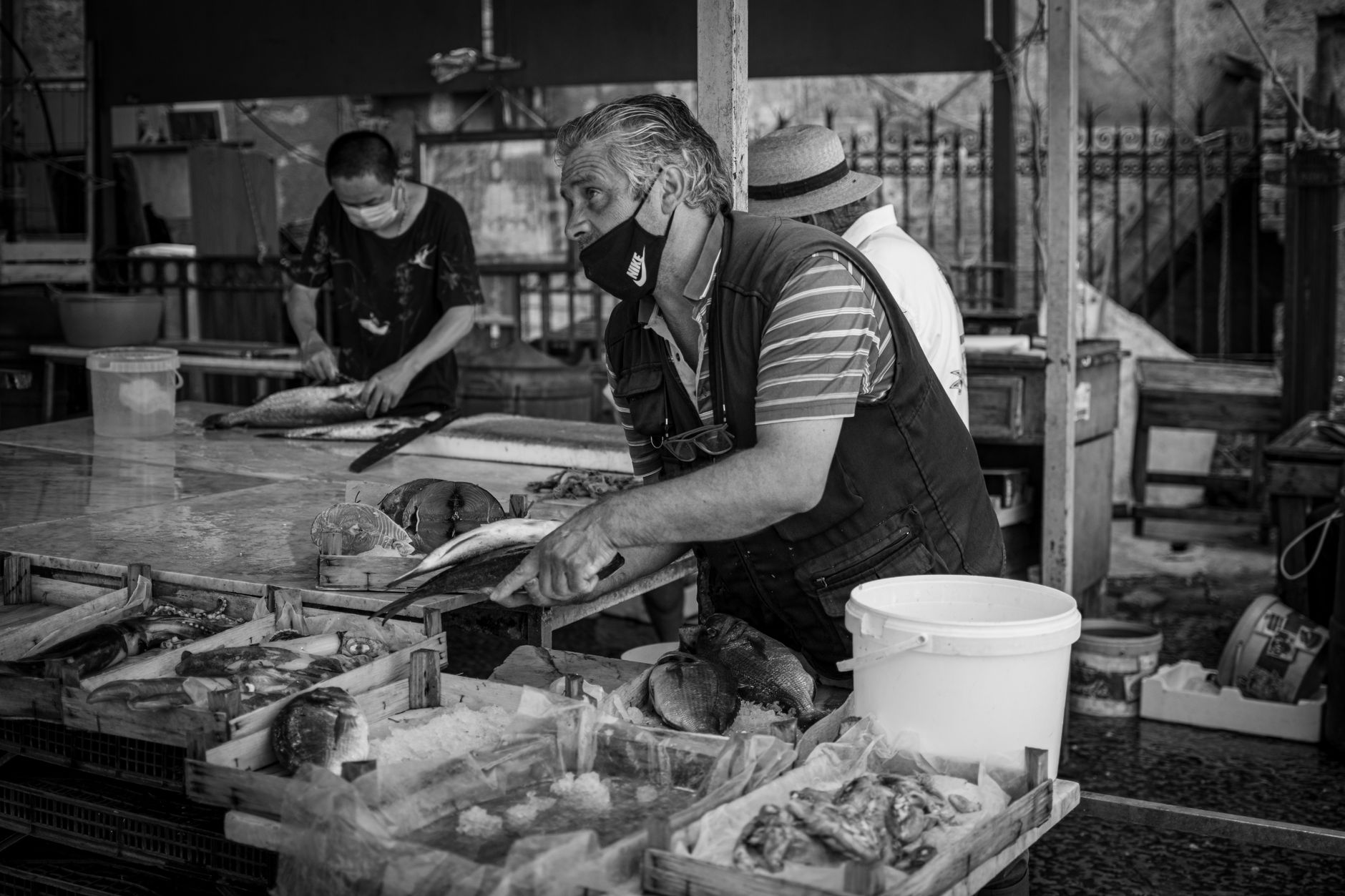
Vucciria is worth addressing separately because its reputation has split in two. During the day, it’s quieter than Ballarò, smaller, and easier to navigate - a few meat and fish stalls, some cheese vendors, less foot traffic. By night, especially on weekends, it becomes one of the loudest open-air bars in the city, plastic cups of Aperol Spritz held over crowds that spill across the piazza until 2am. Both versions are real. Neither is a relic.
The painter Renato Guttuso immortalised Vucciria in a 1974 canvas that now hangs in Palazzo Chiaramonte. The market in that painting - dense, shadowed, fleshy - looks nothing like the current version, and locals are generally unbothered by this fact.
When to Go, and What to Eat There
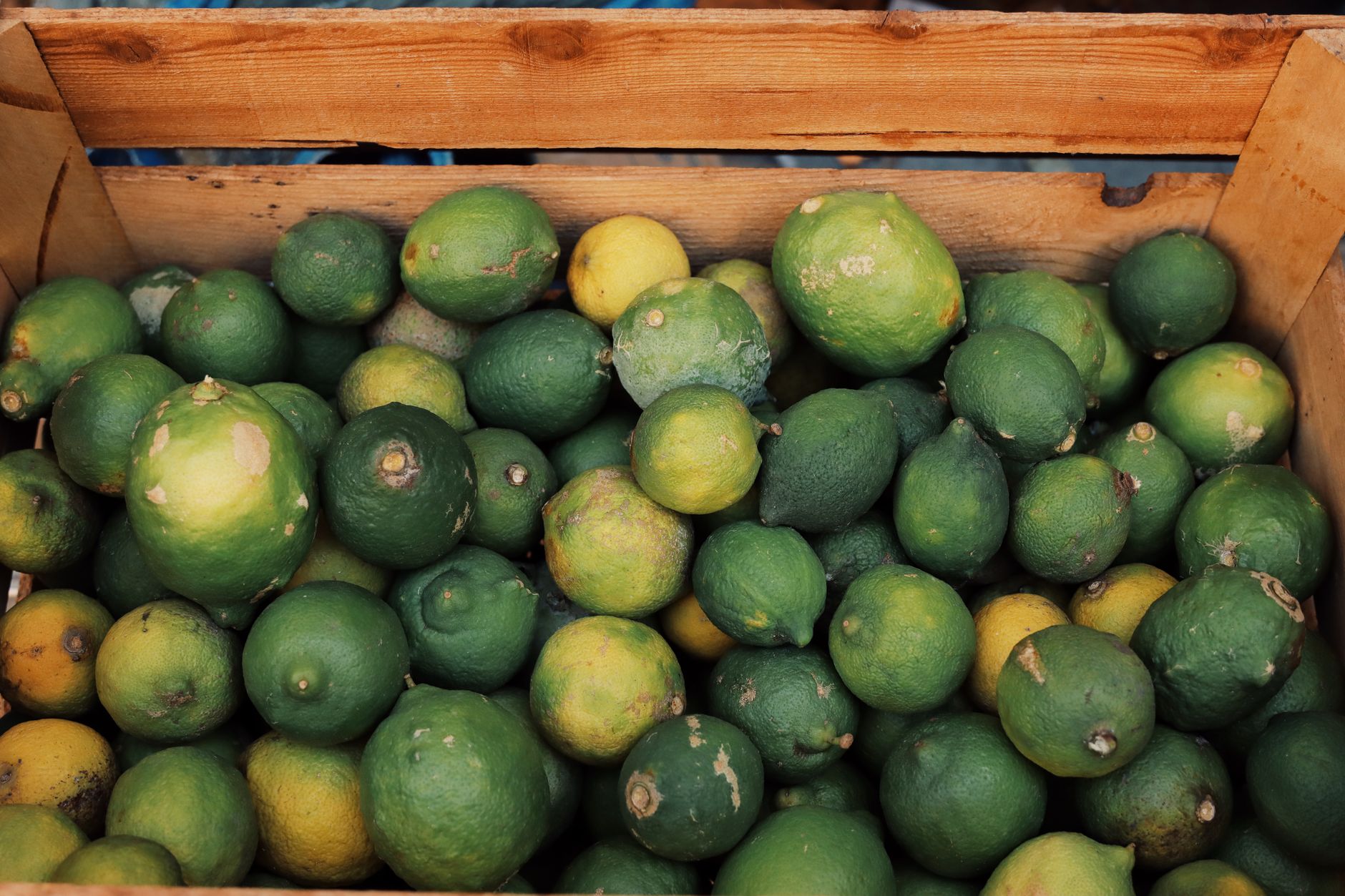
For Ballarò: arrive by 8am, follow whoever looks like they’re cooking something later that day. The street food in the market itself - stigghiola (grilled intestine), pane con la milza (spleen sandwich), frittola - is morning food. It doesn’t improve with waiting, and it tastes different when you’re eating it standing up next to a vegetable crate rather than at a sanitised food stall near a tour bus.
For Capo: slightly more relaxed, better for cured meats and aged cheeses. Less confrontational if it’s your first morning in the city and you haven’t adjusted yet.
Palermo is a city that rewards early risers not because of golden light or empty piazzas, but because its food culture is front-loaded. The best things happen before the heat sets in, and the markets are where you see what the city is actually eating - which turns out to be a more useful guide to the restaurants than any list.