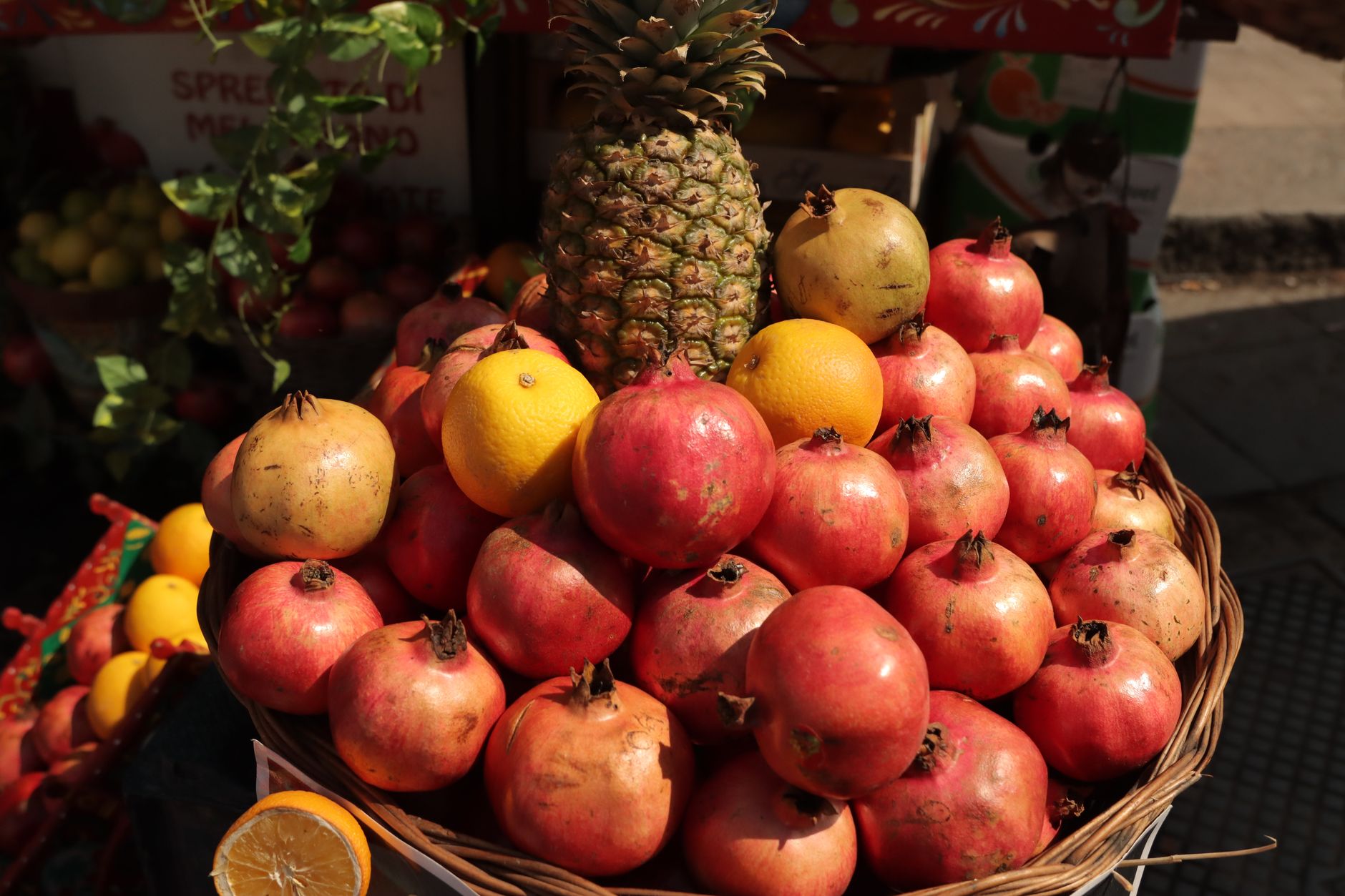
The guidebooks keep calling Ballarò ‘atmospheric.’ What they mean is loud, cramped, faintly aggressive in the best possible way, and operating on a schedule that has nothing to do with tourist convenience. By 8am, the vendors are mid-argument, the swordfish is already on ice, and the guy selling blood oranges has been there since before the city woke up. This is not a market that performs for visitors. It simply runs.
Ballarò sits in the Albergheria neighbourhood, one of the four historic quarters that survived - partially - the Allied bombing of 1943 and the subsequent decades of neglect. The architecture is still patchy: a Norman church wedged between a crumbling palazzo and a phone repair shop. The market threads through all of it, taking up street space with the confidence of something that was there first, because it was. Ballarò has been trading since at least the tenth century, when Palermo was under Arab rule and the city’s street food culture was already forming around what’s now called stigghiola (grilled offal, still sold from carts) and pani câ meusa (spleen sandwiches, also still sold from carts).
Vucciria is different, and people who lump them together haven’t spent time in both. During the day, Vucciria is quieter than it used to be - the fruit stalls have thinned out, the fishmongers are fewer. At night, it flips entirely, filling with students and locals drinking in the piazza. The night version has a reputation that the day version no longer quite earns. Whether that matters depends on what you came for.
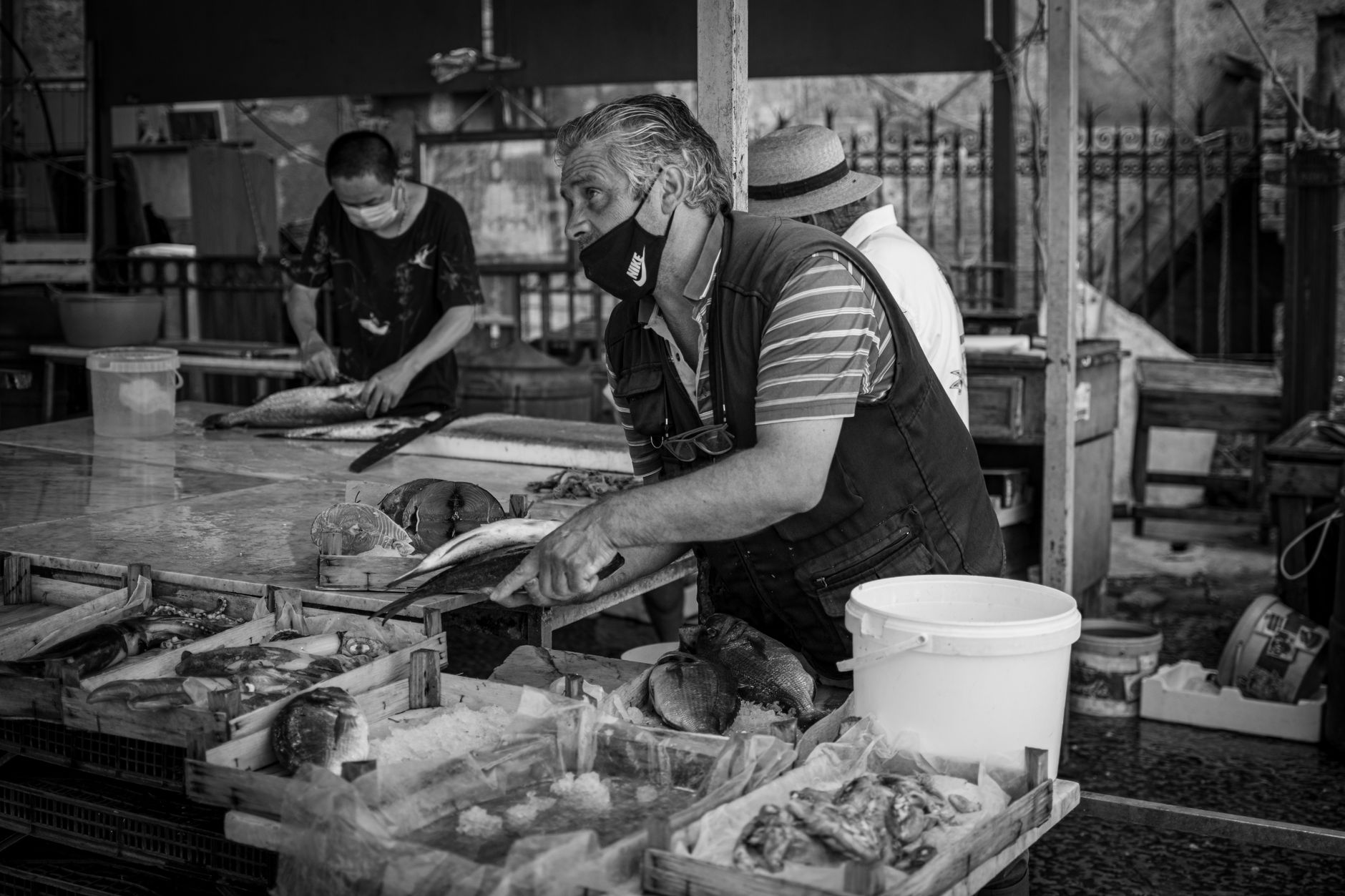
The Mistake Is Arriving Hungry but Unsure
Both markets reward decisiveness. If you hover, looking confused, you’ll either get ignored or upsold something you didn’t want. But if you point at the arancina that looks best and hand over two euros, the transaction takes four seconds and you’ll eat better than you would at most of the sit-down places in the tourist corridor near the Quattro Canti.
The best time to be at Ballarò is between 9 and 11am - after the initial setup chaos, before the heat builds and the produce starts to flag. Bring cash in small denominations. There’s no card reader on a swordfish stall.
What’s harder to explain is the specific pleasure of eating something standing up in a place that isn’t catering to you at all - where the transaction is ordinary, not curated. Palermo has plenty of that left, though for how much longer is genuinely unclear.