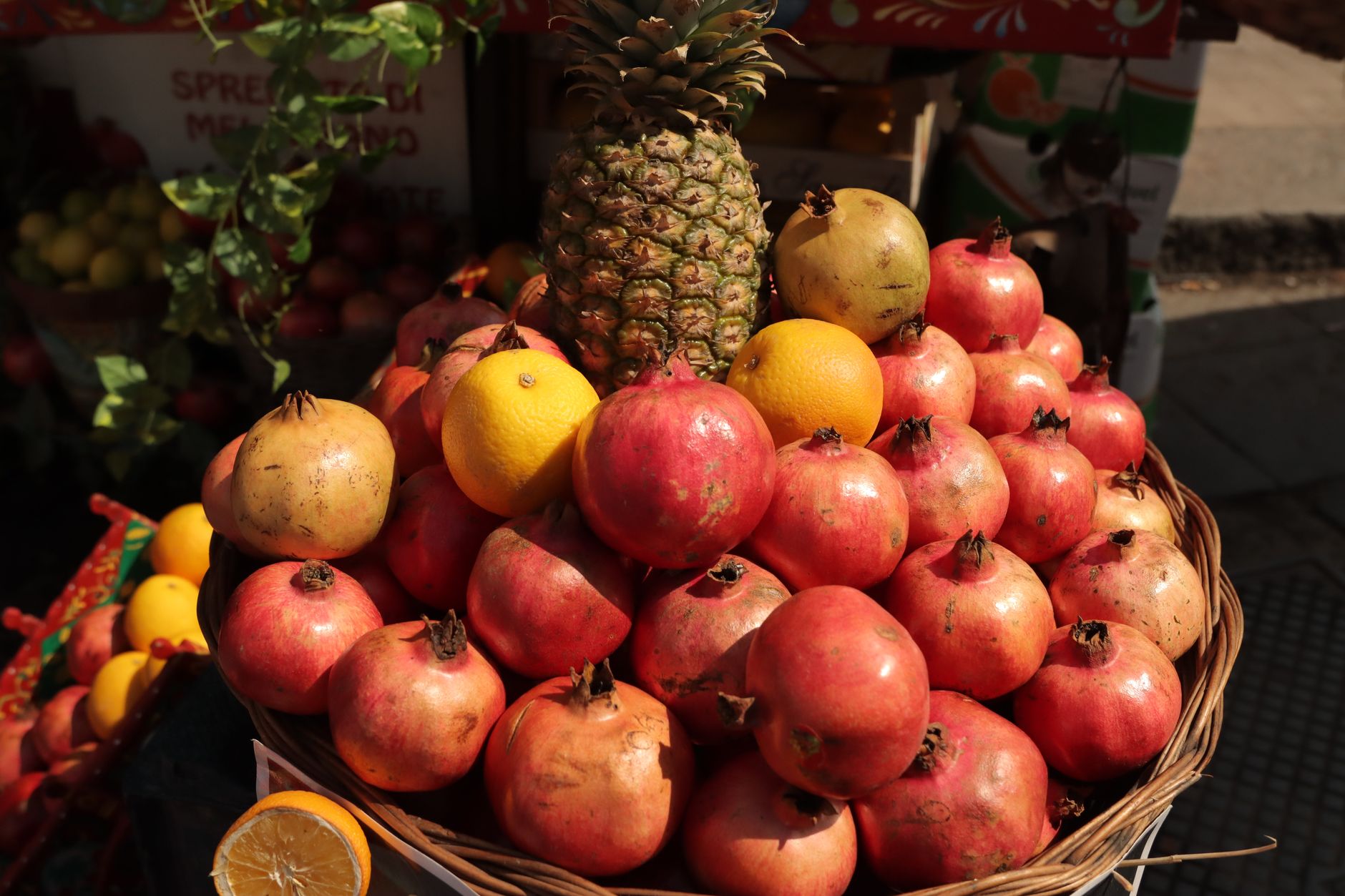
Palermo’s street markets don’t open for tourists at a convenient hour. Ballarò, the oldest of the three main markets in the city, is moving by 6:30am - fish already laid out on ice, vendors calling prices in a cadence that sits somewhere between chanting and argument. If you arrive at 10am after a hotel breakfast, you’re seeing the tail end of something rather than the thing itself.
Most travel writing about Palermo treats the markets - Ballarò, Vucciria, and Capo - as interchangeable colour. They’re not. Vucciria, near the Kalsa district, has shrunk significantly as a food market over the decades and now functions mainly as a nightlife square after dark. Showing up there at 8am looking for produce is a waste of a morning. Capo, running along Via Sant’Agostino, is where locals still buy meat and groceries in volume; it feels less performed than Ballarò, which has absorbed more tourist foot traffic over the years without losing its functional core.
The honest advice is to pick one, go early, and eat before you shop. Stigghiola - grilled intestines wrapped around spring onions, cooked over charcoal on the street - is available at Ballarò from the first hour. So is pane ca’ meusa, a bread roll filled with spleen and lung that has no equivalent elsewhere in Italian cuisine and that most visitors either love immediately or refuse to try. Neither of these things requires a restaurant booking or a lunch slot. They cost very little and they’re eaten standing up.
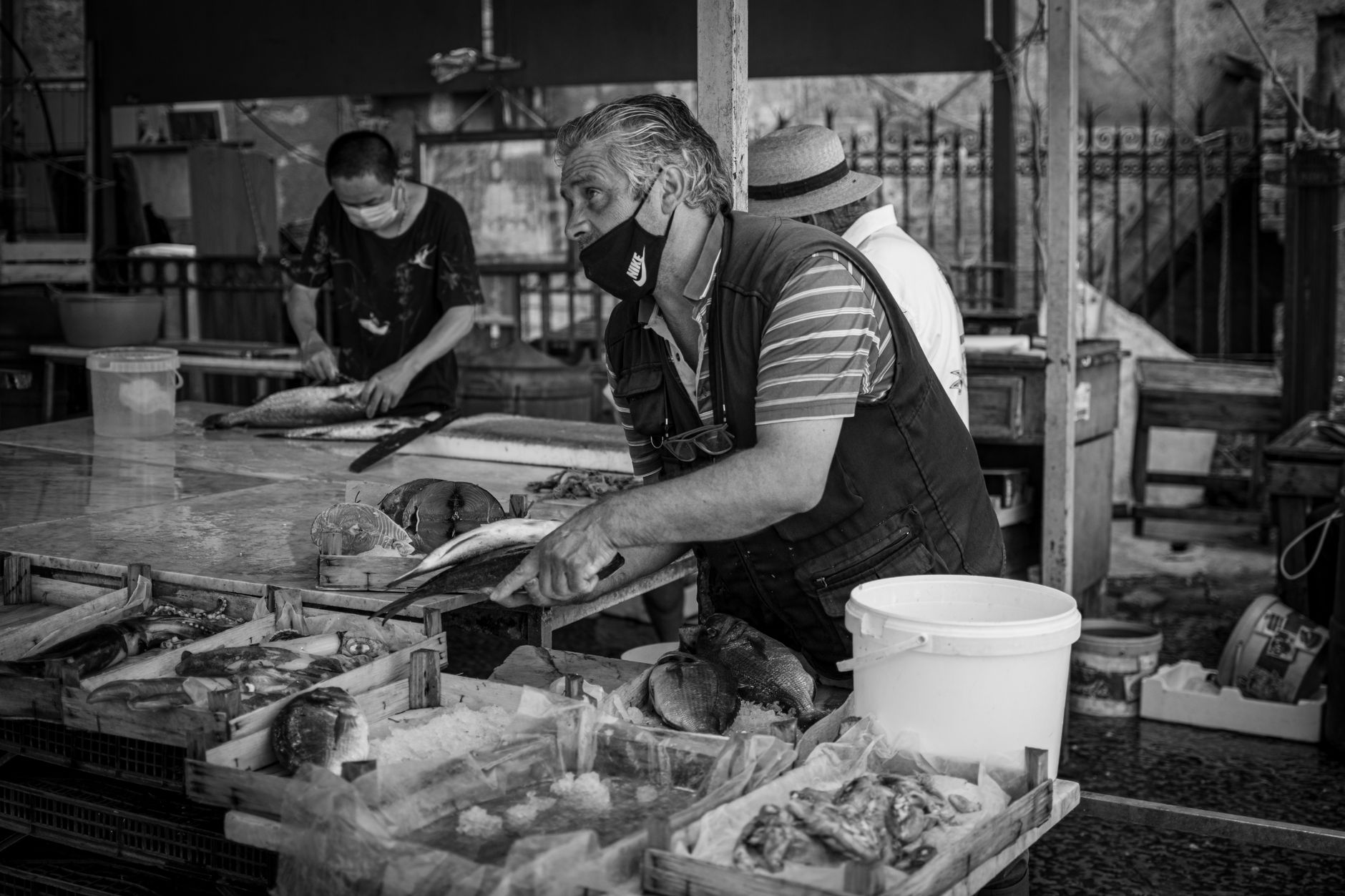
The timing problem that catches people out
Palermo in June is already hot before 9am. The markets wind down partly because of heat - vendors pack up, the ice melts, the atmosphere collapses quickly once the sun is fully up. Planning to visit a market in the afternoon, or treating it as a post-lunch wander, means showing up to empty stalls and hosed-down pavement.
This is not a quirk unique to Sicily, but Palermo enforces it more strictly than most places. The city’s eating and shopping rhythms are compressed into a narrow early window, then there’s a long midday pause, then everything restarts in the evening as a different kind of activity entirely.
The traveller who adjusts their schedule to match this - alarm at 6am, market by 6:45, back at the hotel by 10 with the rest of the day free - sees a version of the city that the late riser simply doesn’t access.