Most Italian cities have done the work of packaging themselves. There’s a clear centre, a logical walk between monuments, and a neighbourhood that’s been gently cleaned up for people carrying rolling luggage. Palermo hasn’t done that, and it’s not clear it intends to.
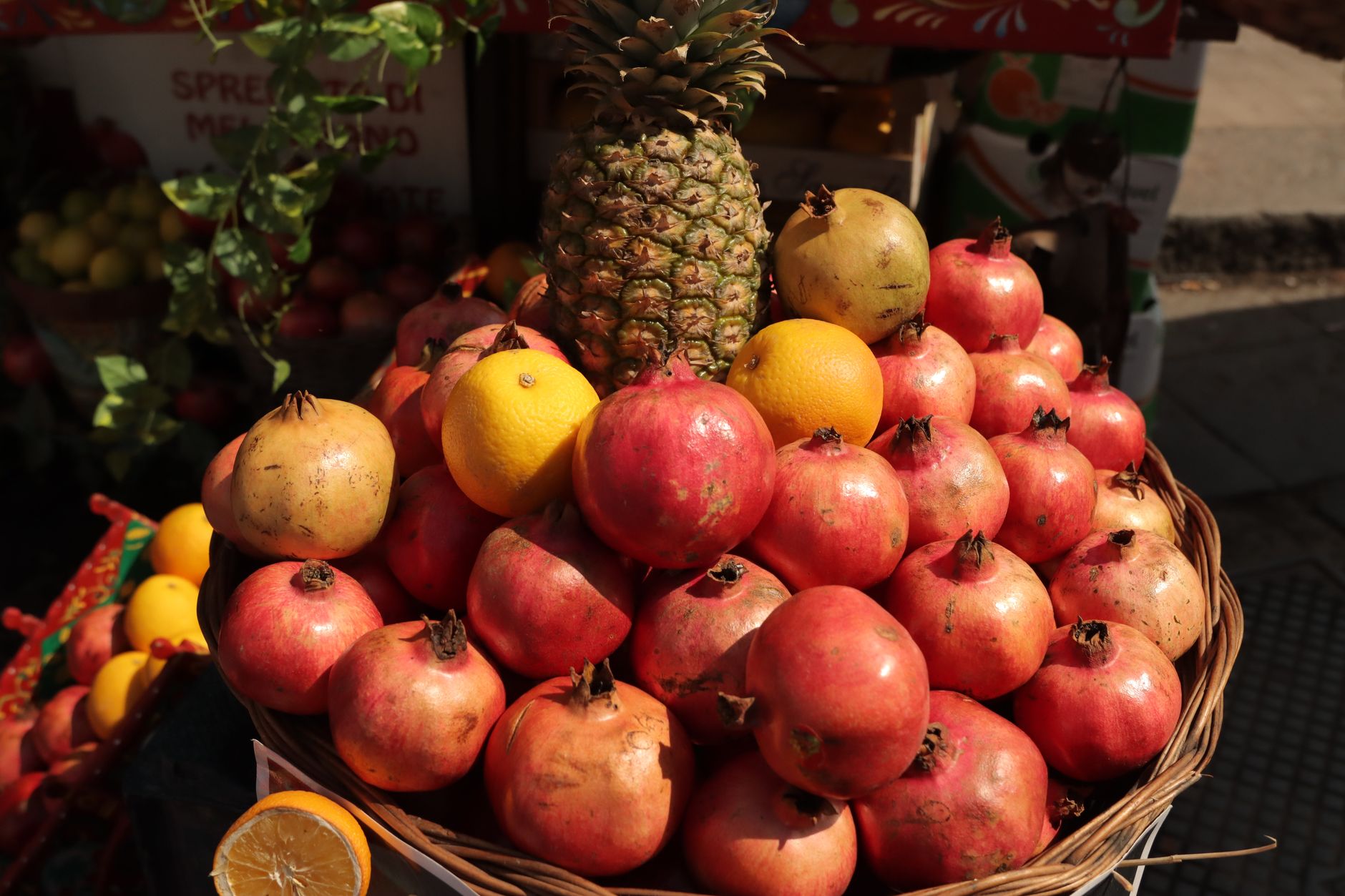
The city has four historic market districts - Ballarò, Vucciria, Capo, and Borgo Vecchio - each of which operates on its own schedule and logic. Ballarò is the largest and the one most visitors stumble into first, usually by accident from the direction of Piazza Casa Professa. It runs every morning except Sunday, and by 8am it’s already mid-session: offal vendors, spice pyramids, stacked citrus, men arguing over nothing in particular. It doesn’t slow down for photos.
What’s worth understanding about Ballarò specifically is that it sits inside one of the most densely populated parts of the historic centre, and the streets around it haven’t been pedestrianised or buffered. Scooters move through the same narrow alleys as the produce crates. There’s no moment where the market ends and the neighbourhood begins - it just gradually becomes apartment buildings.
The Vucciria Problem
Vucciria has a reputation that doesn’t quite match what it is anymore. Renato Guttuso painted it in 1974 - that chaotic, colour-saturated canvas now in Palazzo Steri - and the image stuck. The actual market today is small and winds down early. What Vucciria has become is a nightlife zone, loud from around 9pm, centred on Piazza Caracciolo. If you go looking for the market of the painting, you’ll find a bar.
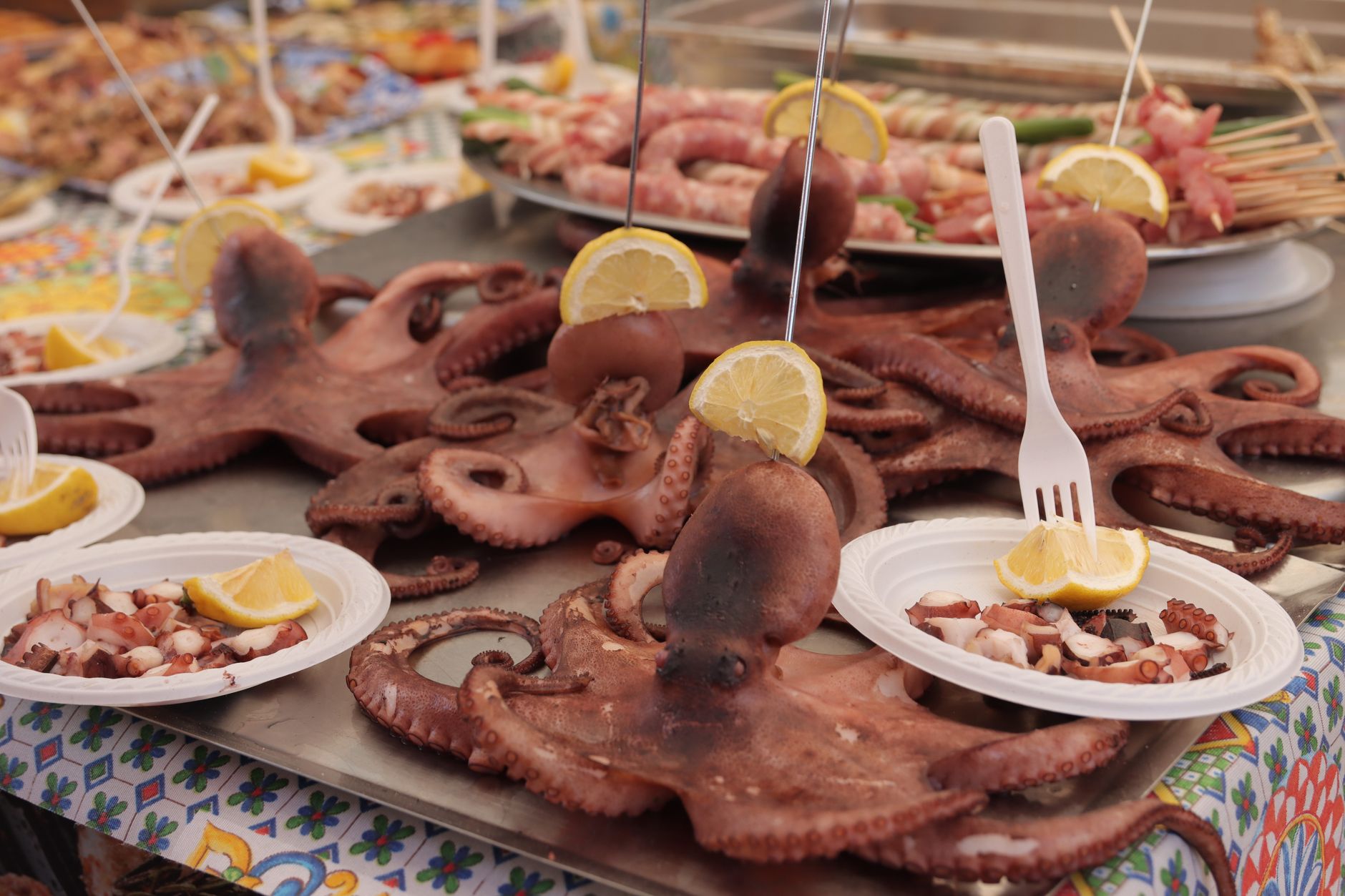
This matters for timing. Palermo rewards coming back to the same place twice: once in the morning when the street food is running - pane con la milza from the wagons near Ballarò, arancine from the bars before noon - and once in the evening when the dynamic is entirely different.
Getting Between Them
The four markets are all walkable from each other, but the route between Ballarò and Capo passes through Via Maqueda and the Quattro Canti intersection, which is where tour groups tend to cluster. The faster and more interesting path runs parallel, through Via Bandiera and the side streets off it. Less photographed, same distance.
Palermo’s centro storico is compact enough that most of it is navigable on foot, but the city doesn’t make orientation easy. Streets change names mid-block. Several major churches are locked except for specific hours. The Palatine Chapel inside the Palazzo dei Normanni - genuinely one of the most extraordinary medieval interiors in Europe, with its 12th-century mosaics - requires timed entry and books up, which catches a lot of people off guard.
Book the Palatine Chapel before anything else. Then let the rest of the city be unplanned.