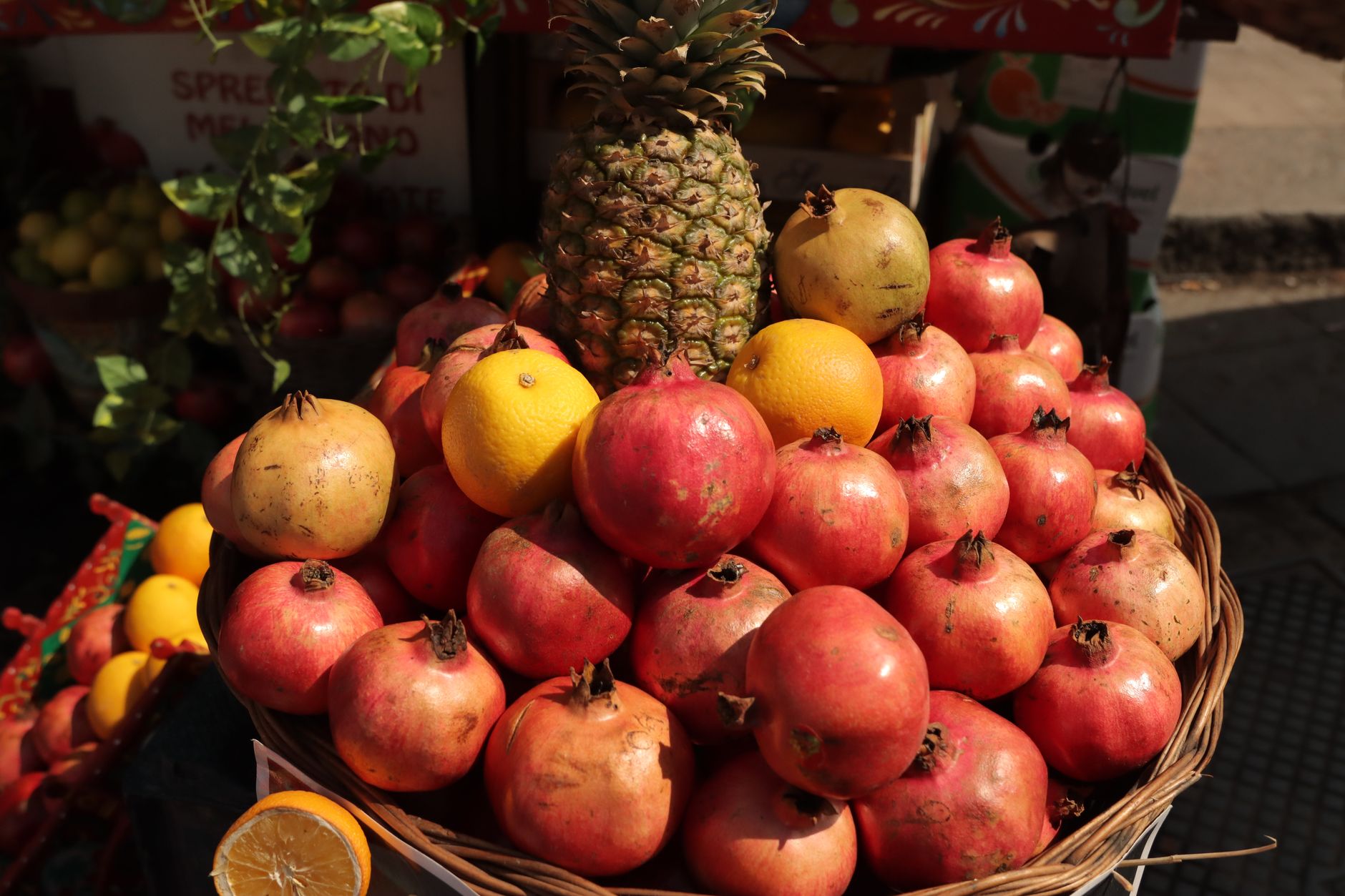
Most visitors to Palermo cluster around Via Maqueda and the Quattro Canti, eat arancina once, and call it done. That’s not a Palermo experience. That’s a corridor experience - the city’s most legible strip, the one it keeps clean for people who aren’t staying long.
The actual Palermo is in the markets, and the markets are not decorative.
Ballarò Is Not Picturesque. It’s Functional.
Ballarò, in the Albergheria quarter, is the oldest and largest street market in the city. It runs every morning except Sunday and sells meat, fish, vegetables, cheap household goods, and food cooked on the spot - stigghiola (skewered lamb intestine grilled over charcoal), pane ca’ meusa (spleen sandwiches), frittola. These aren’t dishes put on the menu for novelty. They’re what people eat here because they’re cheap and filling and have been for generations.
The quarter itself is dense and slightly worn. Some buildings still show bomb damage from World War II that was never fully repaired. Walking through it in the morning, past vendors calling prices and carts blocking half the lane, you’re not sightseeing - you’re just in the way in a useful sense. The market doesn’t arrange itself around your presence.
That’s exactly why it’s worth going early, before 9am, when it’s busiest and least self-conscious.
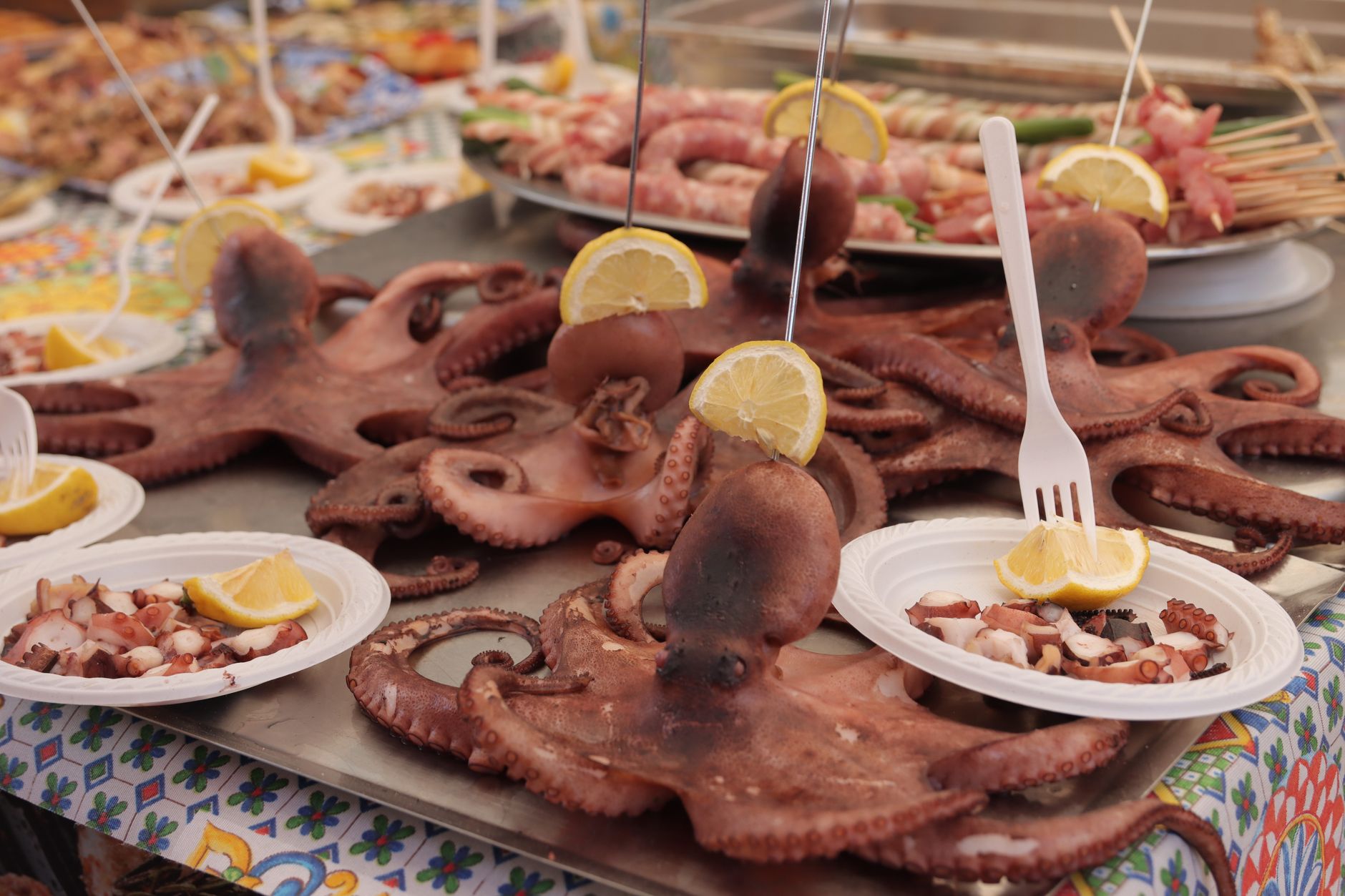
The Capo Market Is a Different Mood
North of the cathedral, the Capo market runs along Via Sant’Agostino and has a slightly different character - narrower, more covered, heavier on the fish. The vendors here are louder in a theatrical way, calling out to passersby with a kind of performance that feels genuinely enjoyed rather than performed for cameras.
Both markets have been in continuous operation for centuries. That’s not a selling point - it’s just context for why they feel the way they do.
Timing the City
Palermo in late September sits just past the worst of the summer heat. The city stops baking. Locals who left for August have come back. The markets are full again, the streets have their normal rhythm, and the tourist numbers from July and August have dropped sharply.
It also rains occasionally in late September - brief, warm rain that clears fast. The streets smell different after it. The stone in the older quarters seems to darken slightly and then dry back out. It’s one of those things about a city you can only notice if you’re not rushing between sights on a fixed itinerary.
What Palermo rewards, more than most cities, is just staying in one neighborhood long enough that it stops feeling unfamiliar.