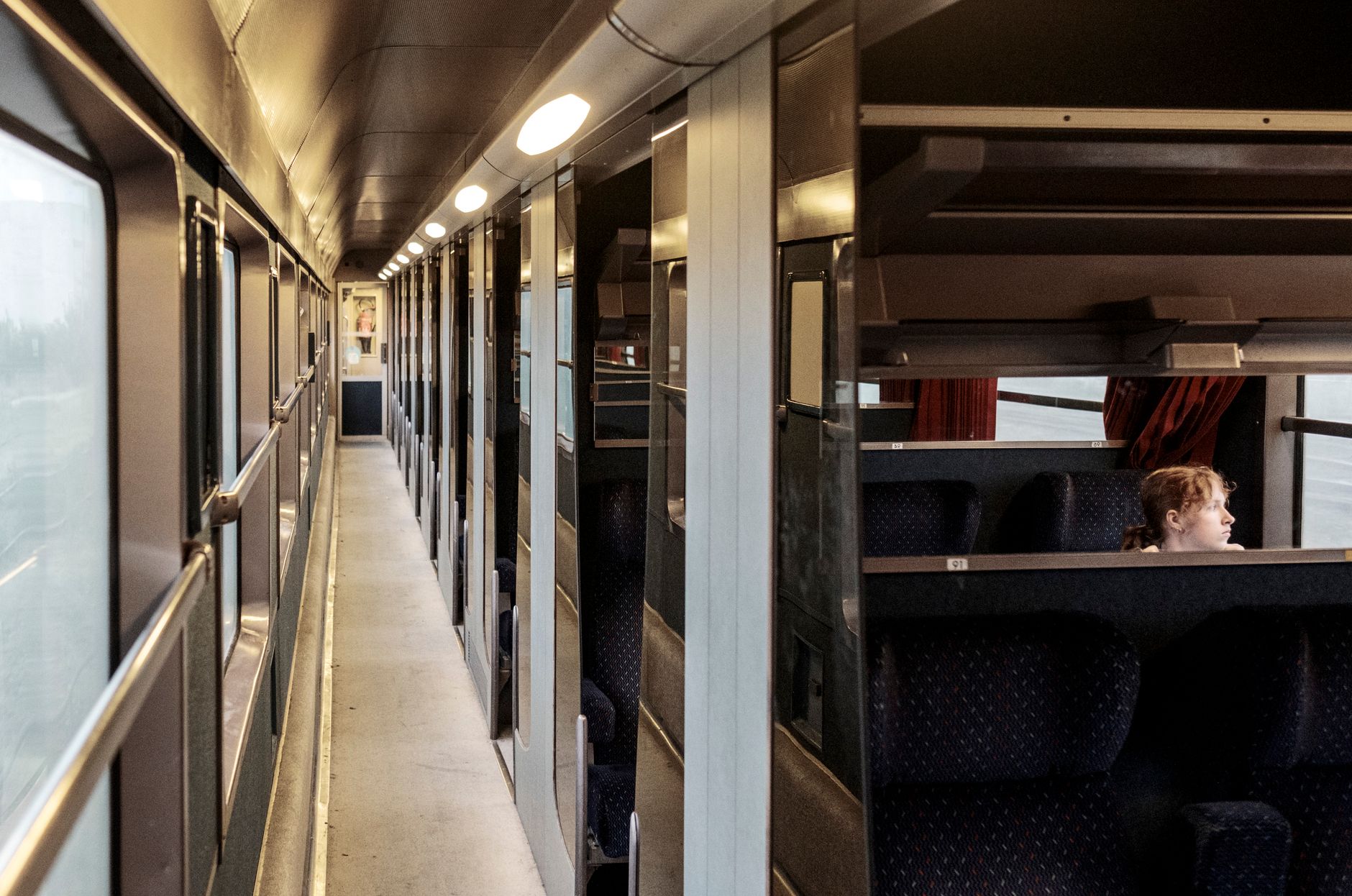
The math on overnight trains rarely gets talked about plainly: if you book a couchette or sleeper compartment, you’re paying for transport and accommodation in a single ticket. A six-hour overnight ride from Vienna to Venice, for example, replaces a city-centre hotel night that would cost €90–€150 on its own. The train costs a fraction of that, and you arrive at your next destination at dawn with the whole day intact.
This isn’t roughing it. Couchettes - the fold-down bunk-style berths common on European night trains - come with a pillow, a blanket, and a compartment shared with a small number of other passengers. Book a private two-person or solo compartment on routes like the Nightjet network (operated by Austrian Federal Railways, ÖBB) and you get a lockable room, bedding, and sometimes a basic breakfast included. It is a functional hotel room that also eliminates your early-morning airport transfer.
Where the Network Actually Goes
The European night train network contracted badly through the 2000s and 2010s, but it has been rebuilding. As of 2026, Nightjet operates routes connecting Vienna, Zurich, Berlin, Amsterdam, Rome, Paris, and Brussels, among others. The European Sleeper service runs between Brussels and Prague via Berlin. Trenitalia operates night trains within Italy. These aren’t exhaustive, but they cover enough of the continent that a multi-city trip can be structured almost entirely around them.
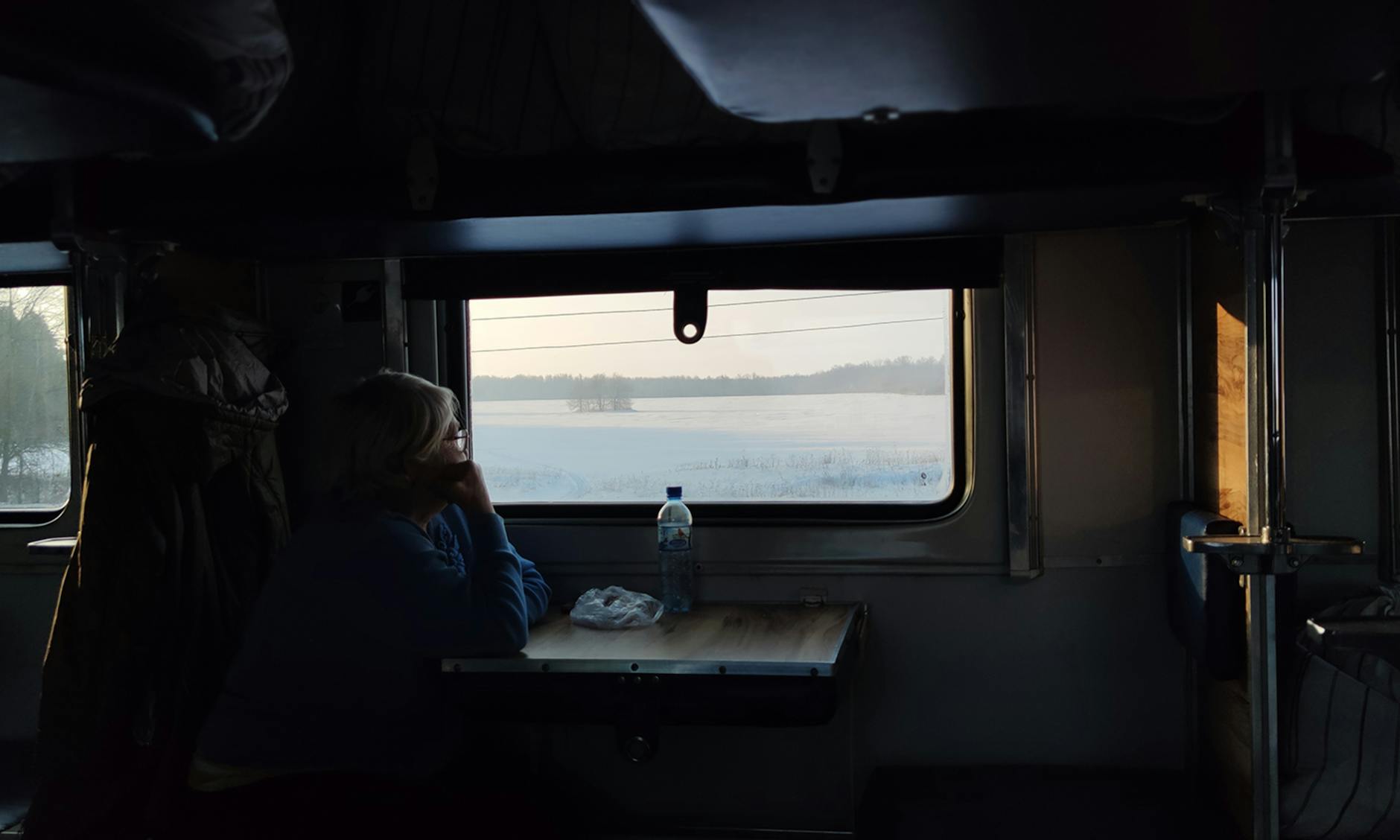
Routes and availability shift, so checking the ÖBB or Trainline websites directly before planning is worth doing rather than relying on third-party roundups that go stale.
The Trade-Off Nobody Mentions
Sleep quality varies. A lower bunk in a six-berth couchette with strangers is not the same as a quiet hotel room. If you’re a light sleeper or travelling with a partner who takes up space, go for the private option - the price difference is usually €30–€50 and it’s consistently worth it.
The other underrated upside: you skip the airport entirely on routes where flying would normally mean a budget carrier with luggage fees, a 5am departure, and a terminal 40 minutes outside the city. Night trains go city centre to city centre. That alone changes the real cost calculation significantly.
For a multi-stop European trip on a tight budget, building the itinerary around night train departure times rather than flight deals is the single most effective structural change you can make.