
The math is simple: if a bus moves while you sleep, you’ve paid once for transport and accommodation instead of twice. In Southeast Asia, particularly on routes between Thai, Vietnamese, and Cambodian cities, sleeper coaches have made this trade-off genuinely comfortable - not just survivable.
The Hanoi-to-Hue route is a good example. A sleeper bus typically costs under USD 20 and covers roughly 700 km overnight. You get a reclining pod - usually a two-tier arrangement with a thin but actual mattress - and arrive in the morning having skipped one night’s hotel bill entirely. A budget guesthouse on that same route runs USD 12–20. So you’re roughly breaking even on accommodation, and the transport is free.
That framing shifts how you evaluate the experience. You’re not choosing between a comfortable bed and an uncomfortable bus. You’re comparing a night on a sleeper pod to a night in a USD 15 fan room. On those terms, the bus often wins.
What actually makes or breaks it
Route selection matters more than carrier. The Hanoi–Hue–Da Nang corridor and the Bangkok–Chiang Mai route are well-worn enough that operators keep their fleets in reasonable shape because competition forces it. Obscure cross-border routes can be significantly rougher - not always in the vehicle, but in the number of stops, the border crossing delays, and the predawn arrivals that leave you waiting two hours for anything to open.
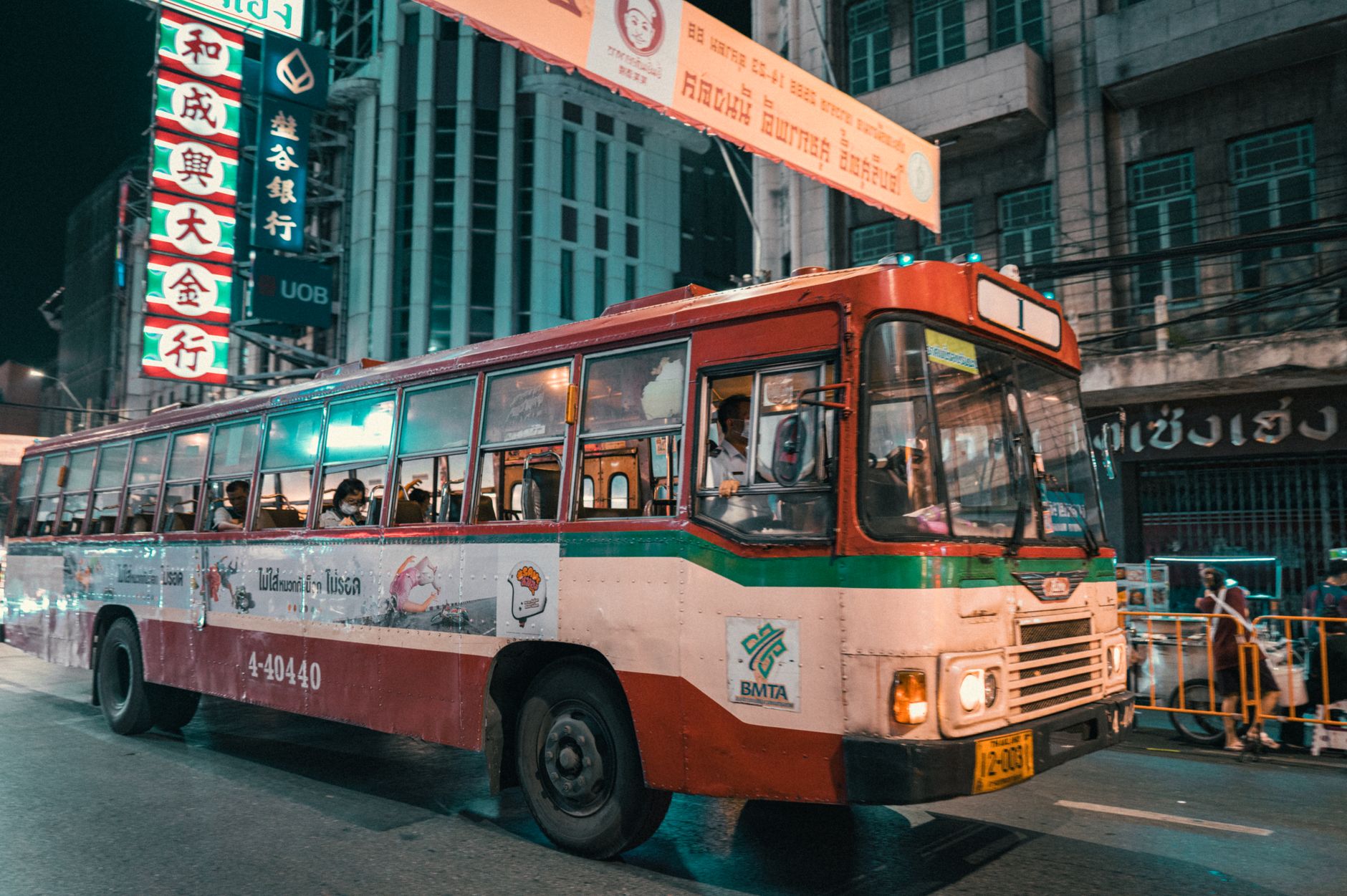
Pick routes with a clear morning arrival (7–9am), not 3am ones. That single detail determines whether you step off rested or wrecked.
The part budget travel content usually skips
The blanket provided is never warm enough. Bring a lightweight layer regardless of the outside temperature - buses are aggressively air-conditioned, apparently as a point of pride. This is not a minor complaint. It’s the difference between sleeping and shivering for six hours.
Noise-cancelling earbuds or earplugs and an eye mask close the gap on everything else. With those two items, a sleeper bus from Bangkok to Chiang Mai - roughly 700 km for around USD 15 on operators like Nakhonchai Air - is a genuinely adequate night’s sleep by any budget traveller’s standard.
The people who dismiss sleeper buses usually tried one without a layer, without earplugs, and on a route with a 3am arrival. That’s a planning failure, not a format failure.