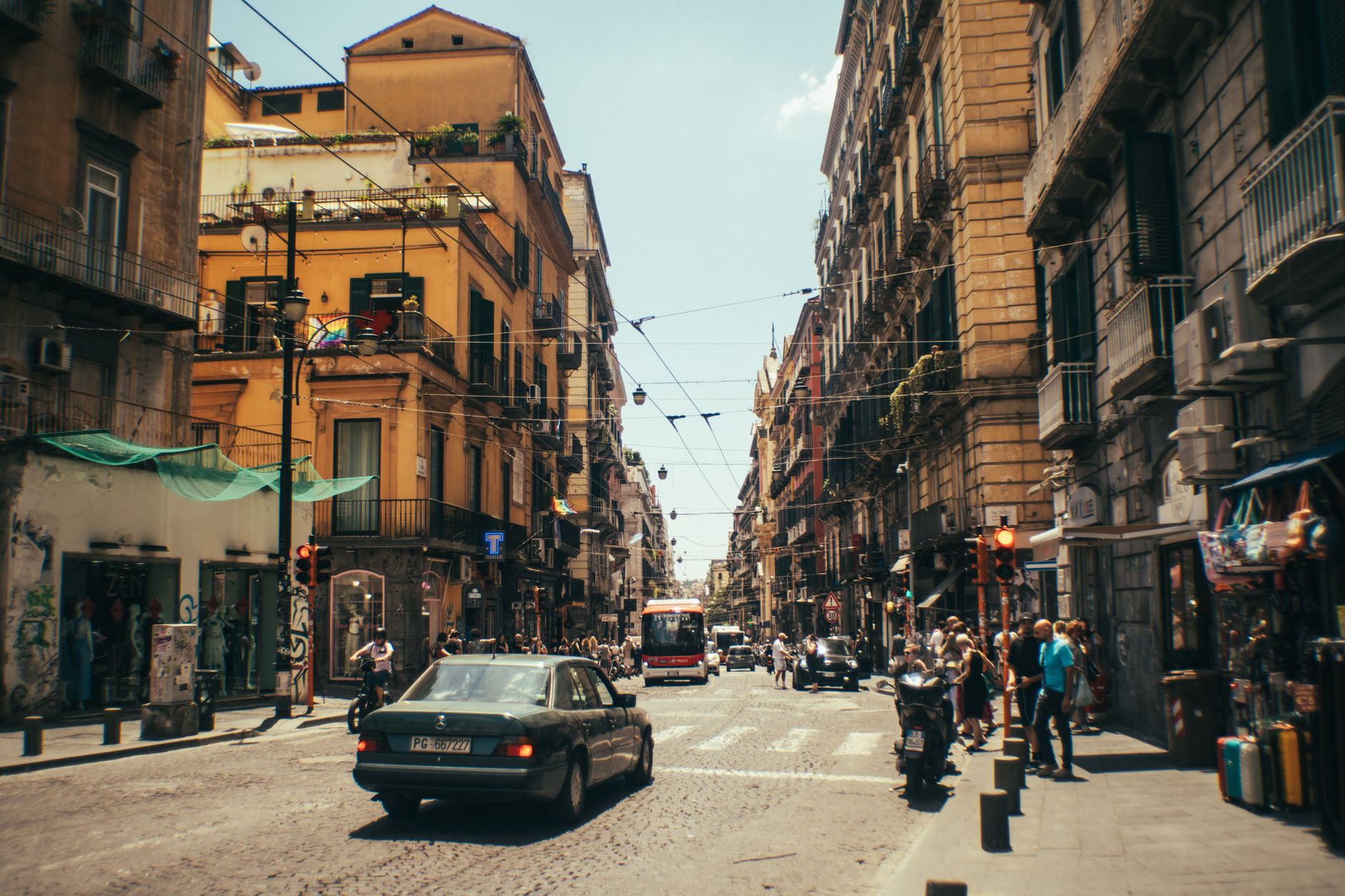
Most visitors try to cover Naples in a day trip from Rome. They arrive at Napoli Centrale, walk to the historic centre, queue for a pizza at one of the famous places on Via dei Tribunali, and leave feeling like they’d survived something rather than enjoyed it. That’s not Naples failing them - that’s the wrong format for the city.
Naples rewards staying, not passing through. And more specifically, it rewards picking a single neighbourhood and spending most of your time in it rather than trying to connect the dots on a tourist map.
The Centro Storico Is Not the Whole City
The area around Spaccanapoli and the Decumani is where most guides send you, and it earns that attention - the street grid dates back to the ancient Greek city of Neapolis, and you can still read it in the layout today. But it’s also where the crowds concentrate and where the experience starts to feel like a performance of Naples rather than the actual thing.
PoggioReale and the Mercato districts to the east are not particularly photogenic, but they’re where the city functions on its own terms - wholesale fabric markets, hardware suppliers, everyday cafés where the cornetto costs under a euro and nobody is watching you eat it. Worth at least a morning.
The waterfront neighbourhood of Chiaia is the other Naples - expensive, quieter, aperitivo bars with actual seating. It’s not more authentic than Spaccanapoli; it’s just a different register of the same city.
The One Transport Detail That Changes Everything
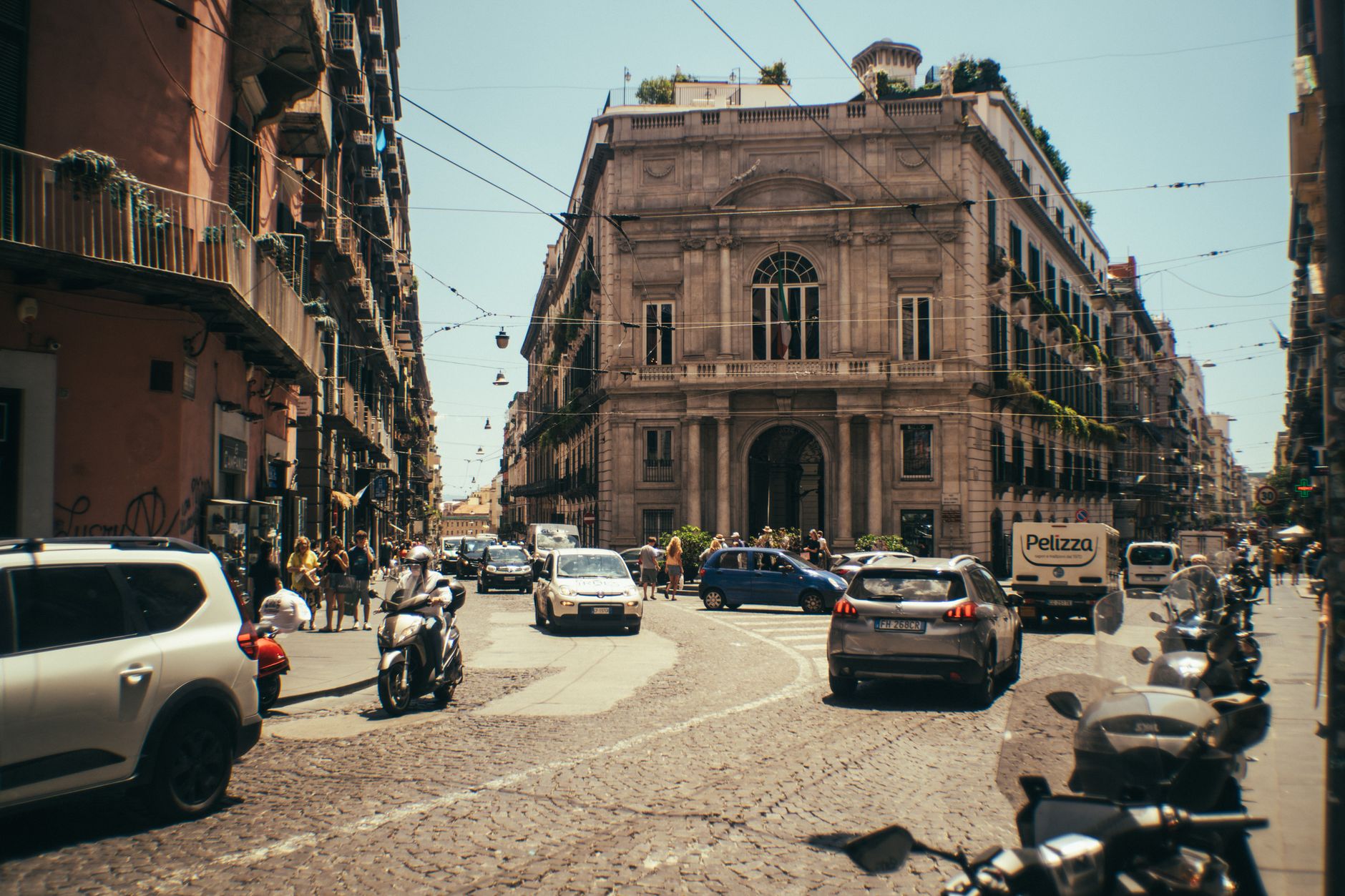
Naples has a metro system that most visitors ignore because the map looks limited. Line 1 - the art metro - runs through stations designed by architects including Alvaro Siza and Alessandro Mendini. Toledo station in particular is worth the ride even if you have nowhere specific to go. The stations are not a side attraction; they’re some of the best public art in southern Italy.
On Timing
September is still hot. Not unbearably so, but the city heats up differently from somewhere with sea breezes on three sides - Naples sits in a bay and the air sits with it. By late afternoon the temperature in the historic centre, where the streets are narrow and the buildings tall, can feel significantly warmer than the official reading.
Early mornings are when the city is most itself - the markets setting up, the bars doing serious coffee traffic, the light coming in low from the east. If you’re staying two nights, that second morning is when Naples starts to make sense.