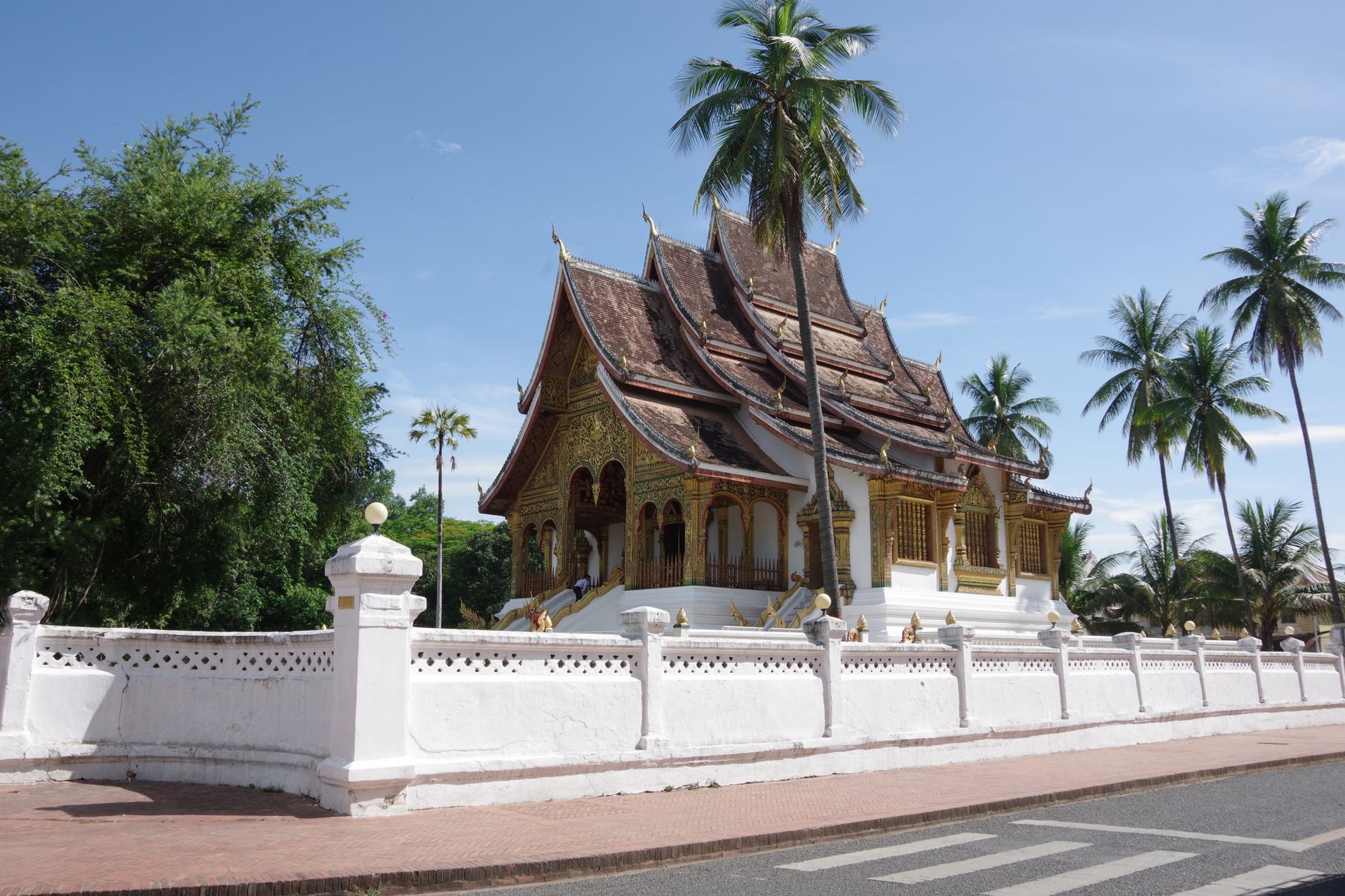
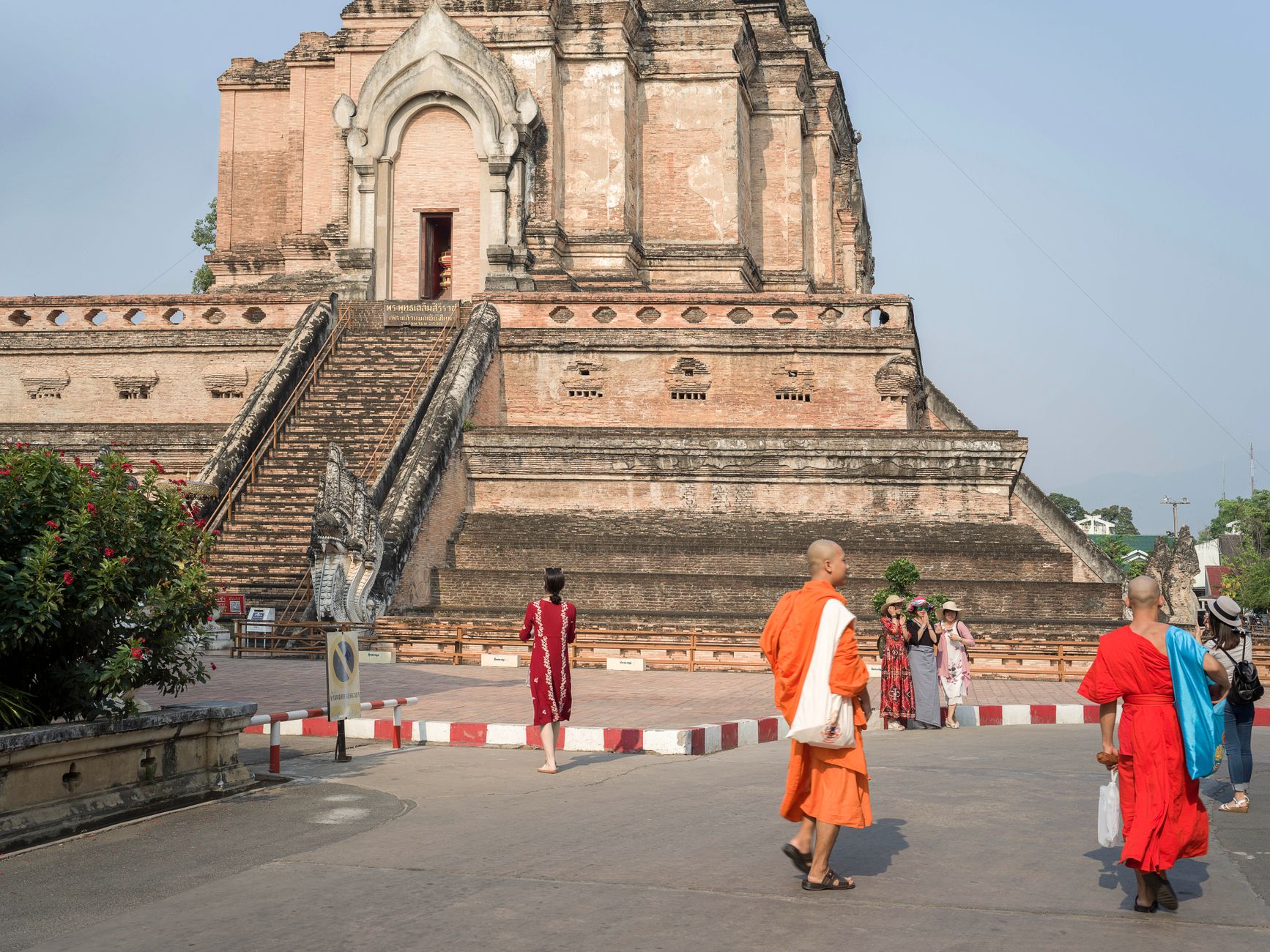
Luang Prabang is one of the most photographed Buddhist towns in Southeast Asia, and almost every photograph looks the same: saffron-robed monks walking at dawn along Sakkaline Road, tourists crouching at the roadside with sticky rice baskets, light filtering through mist. The scene is real. It’s also, increasingly, a performance that the town has had to absorb rather than choose.
The alms-giving ceremony - tak bat - happens every morning before sunrise. Monks from the town’s many temples walk in silence collecting offerings from laypeople. It is a genuine religious practice, not a cultural show. But the volume of tourists who now line the route - often bought a basket of rice by a guesthouse specifically to participate - has visibly changed the texture of it. Some monks now walk faster. Some temples have adjusted their routes. The Lao government and UNESCO, which designated Luang Prabang a World Heritage Site in 1995, have both issued guidance on respectful observation, but enforcement is thin.
None of this means you shouldn’t go.
What the town actually offers
Away from Sakkaline Road in the early hours, Luang Prabang is genuinely unhurried in a way that most of mainland Southeast Asia no longer is. The Mekong runs wide and brown along the western edge of the peninsula. The night market on Sisavangvong Road is small by regional standards - maybe 200 metres of stalls - and sells textiles that are mostly Lao-made rather than the imported goods that dominate similar markets in Thailand. The food is distinct: khao piak sen (a thick rice noodle soup) and mok pa (steamed fish in banana leaf) are both specific to this part of Laos and taste nothing like their Vietnamese or Thai counterparts.
The waterfalls at Kuang Si, about 30 kilometres south, are legitimately beautiful - tiered limestone pools in pale turquoise - and they’re accessible by tuk-tuk for around 50,000 to 80,000 kip each way, depending on how firmly you negotiate.
The question of timing
August sits inside the wet season. Afternoons bring heavy rain, the Mekong runs higher, and the surrounding hills go an almost unreasonable shade of green. Crowds are lower than in December or January. Kuang Si’s pools are fuller. Guesthouses on the quieter streets - particularly those east of Mount Phousi - drop their rates noticeably.
The town is small enough to walk completely in a morning. Two full days covers it without rushing. A third day, if you have it, is best spent doing almost nothing near the river.