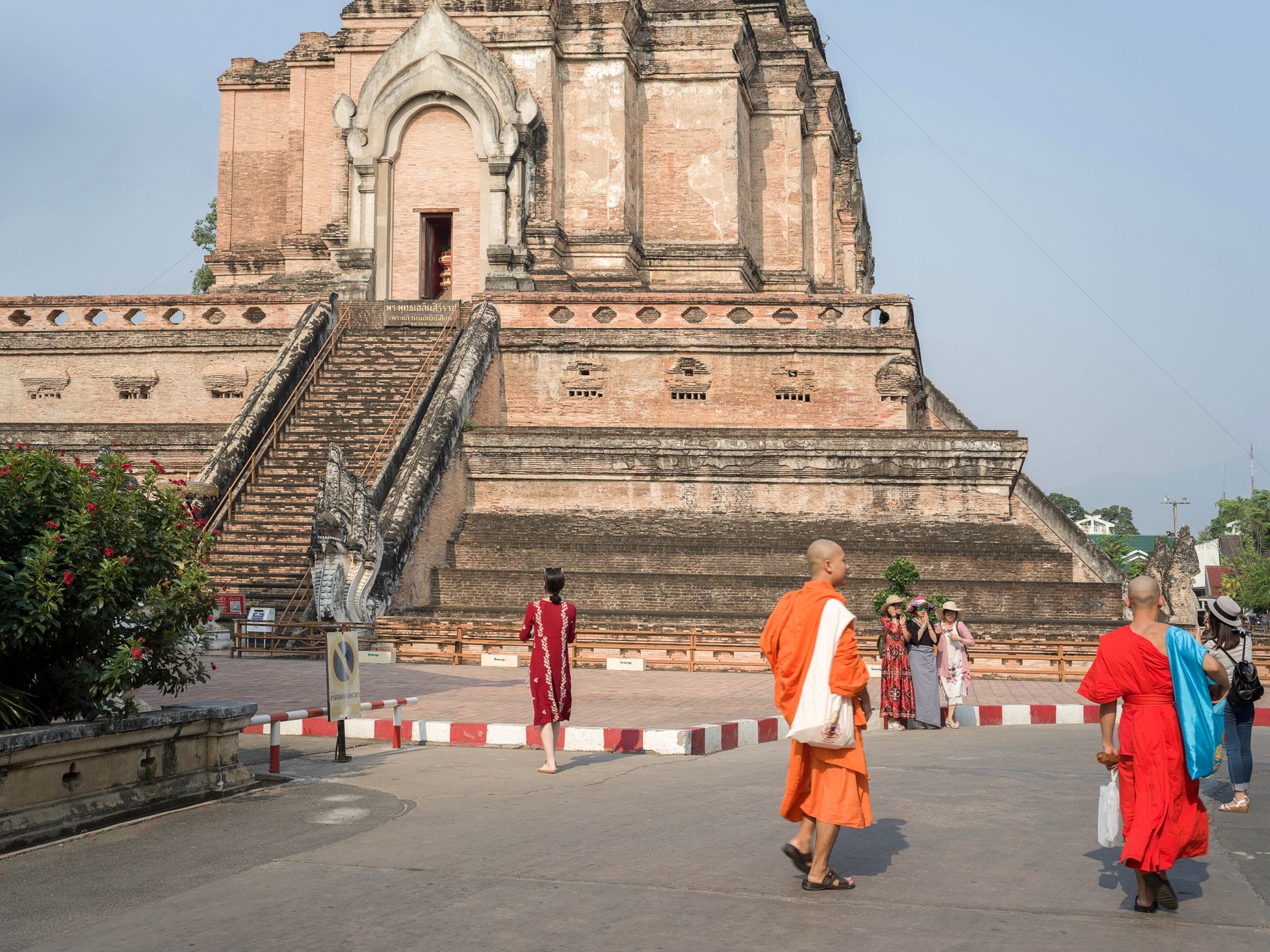
Most people who visit Luang Prabang organise their trip around two things: the alms-giving ceremony at dawn and the night market on Sisavangvong Road. Both are worth doing. Neither is what makes the town memorable.
The night market wraps up around 10pm. The tourist restaurants follow shortly after. And then Luang Prabang - this small, UNESCO-listed town at the confluence of the Mekong and the Nam Khan rivers - becomes something else. The mopeds thin out. The street food vendors are still there, but the crowd around them is almost entirely local. The temple compounds go dark except for the occasional light inside a monks’ dormitory. The whole place smells like incense and river air.
This is not a secret that locals are hiding. It’s just a rhythm that most visitors don’t stay long enough to find, because they’ve booked two nights, crammed in every suggested activity, and exhausted themselves before the town has had a chance to settle.
The Case for Doing Less, Slower
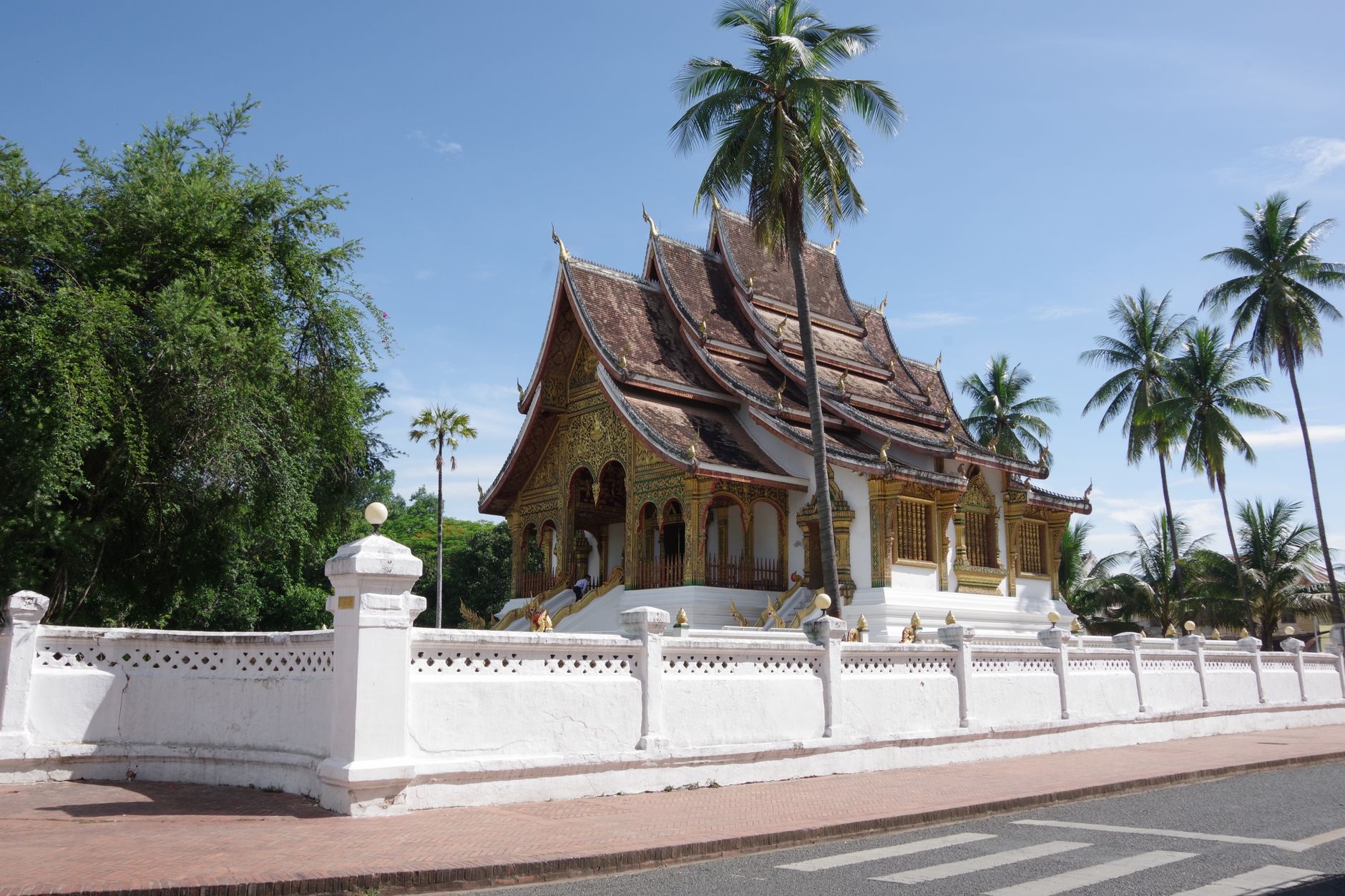
Luang Prabang’s heritage zone is compact - you can walk across the main peninsula in under twenty minutes. That compactness fools people into thinking they can absorb it quickly. They can’t. The town’s particular quality, that feeling of being slightly removed from the present tense, requires time to actually land.
Staying four or five nights instead of two changes the experience structurally. You stop treating Tak Bat - the alms-giving procession - as a photo opportunity and start understanding it as something that happens every single morning, unremarkably, as part of daily monastic life. You find the noodle shop off Kounxoa Road where a bowl of khao piak sen costs around 20,000 kip and nobody is performing anything for you.
One Thing Worth Planning Around
The full moon brings a larger market to the grounds of Wat Xieng Thong once a month - more handicrafts, more locals, less of the compressed tourist-market atmosphere. It’s worth checking the lunar calendar before you book.
Otherwise, the planning can stay loose. Luang Prabang doesn’t reward itineraries. It rewards people who sit by the Mekong at 8am with a Lao coffee and nothing scheduled until noon.