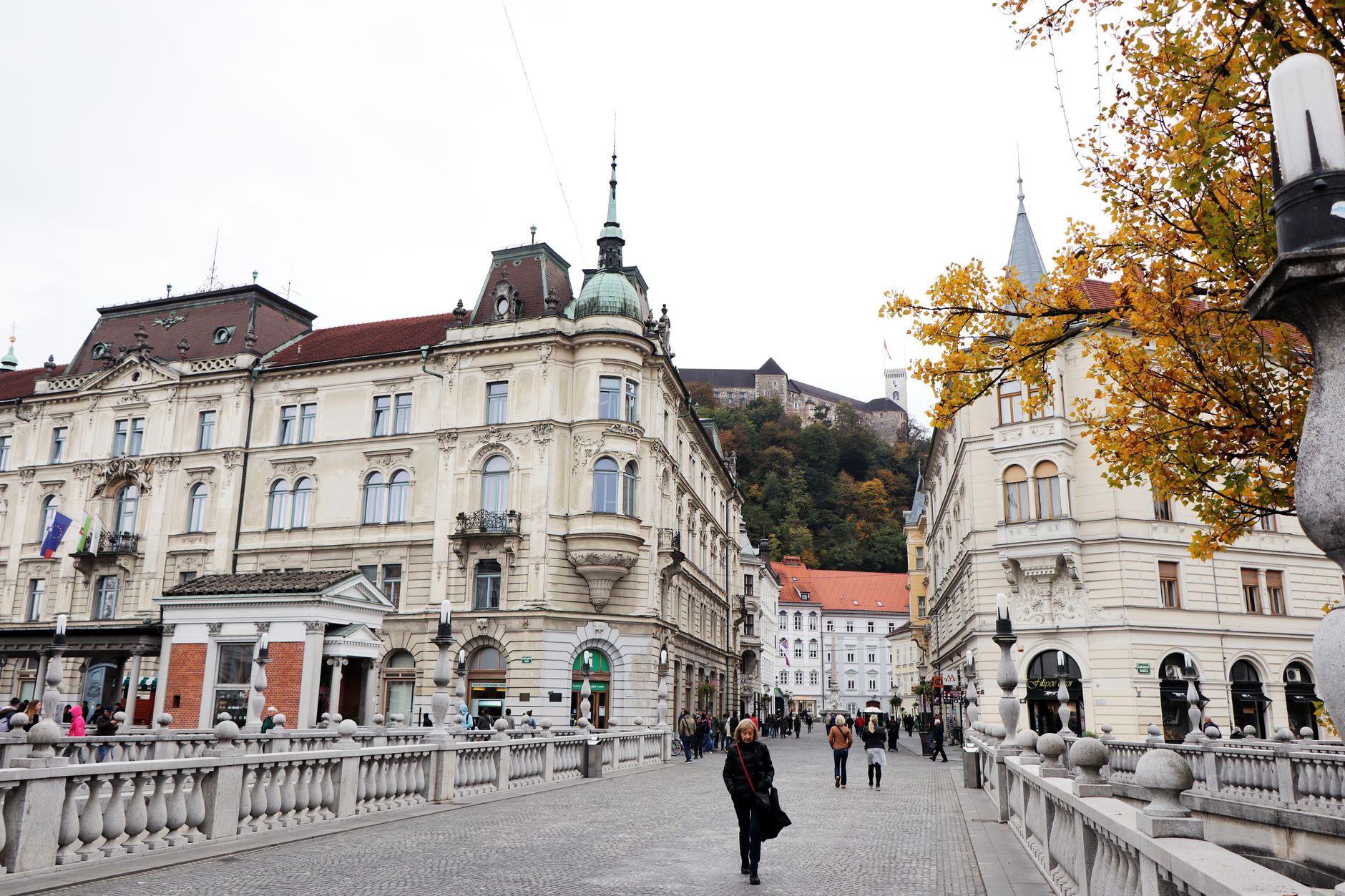
Ljubljana doesn’t have a crisis of identity. It’s not trying to be Prague or recover from being over-discovered like Dubrovnik. The Slovenian capital is simply a small, well-functioning city that treats visitors like incidental guests rather than the main economic event - and that changes everything about how a place feels to move through.
The old town is genuinely compact. Triple Bridge to the castle takes under fifteen minutes on foot, even if you stop. The Ljubljanica river runs through the centre and the cafés along its banks are where locals actually sit, not just tourists positioned for photos. That distinction is harder to find in European capitals than it used to be.
The Castle Is Worth It, But Not for the Views
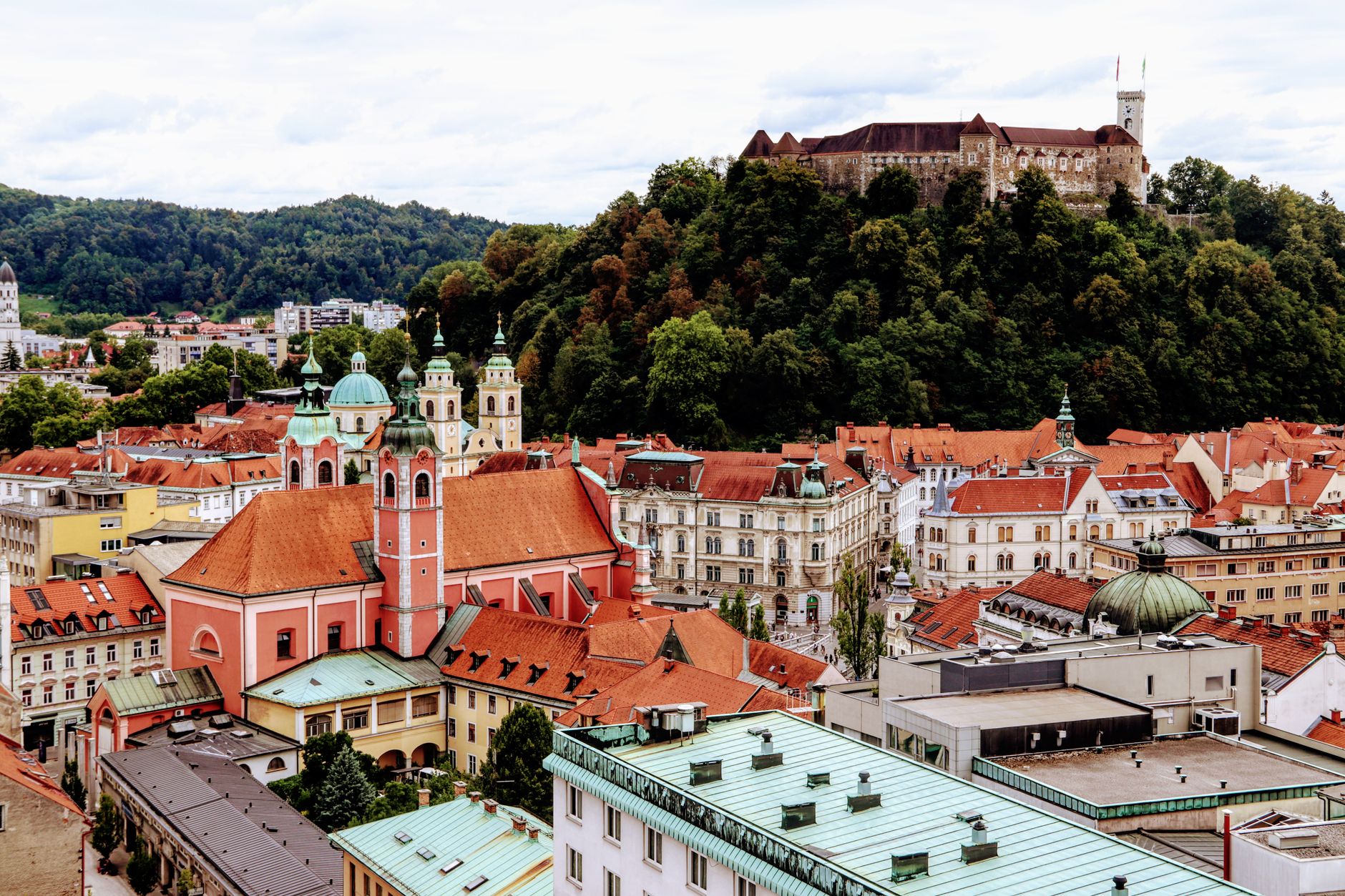
Most people take the funicular up to Ljubljana Castle and spend their time on the watchtower looking at the red rooftops. That’s fine. But the castle’s permanent exhibition on Slovenian history is genuinely interesting and rarely crowded - it traces the territory’s position between Germanic, Slavic, and Mediterranean influences in a way that reframes how you read the city when you walk back down. Slovenia spent centuries as a crossroads that didn’t control its own crossroads, and that history is visible in the architecture if you know what you’re looking at.
The Market on Tuesday and Friday
The open-air market along the river embankment runs several days a week, but Tuesday and Friday mornings are when the full produce section operates alongside the permanent covered market. Cheese from the Karst region, honey from the Alpine valleys, pumpkin seed oil from Styria - the regional specificity is real, not curated. It’s a working market that happens to be photogenic.
One Practical Note
Ljubljana is small enough that a single day feels almost sufficient, which leads most people to treat it as a stopover between Vienna and Zagreb or a base for Lake Bled. That’s a reasonable use of it. But staying two nights shifts the experience considerably - the second evening, when you already know where you’re going, is usually the better one.
Lake Bled is an hour by bus and worth doing once. The lake is exactly as beautiful as every photograph suggests. It’s also extremely crowded by mid-morning from late spring through early autumn. Going in late October, as the tourist season fully contracts, you’ll have the lakeside path to yourself in a way that would have been impossible in August.