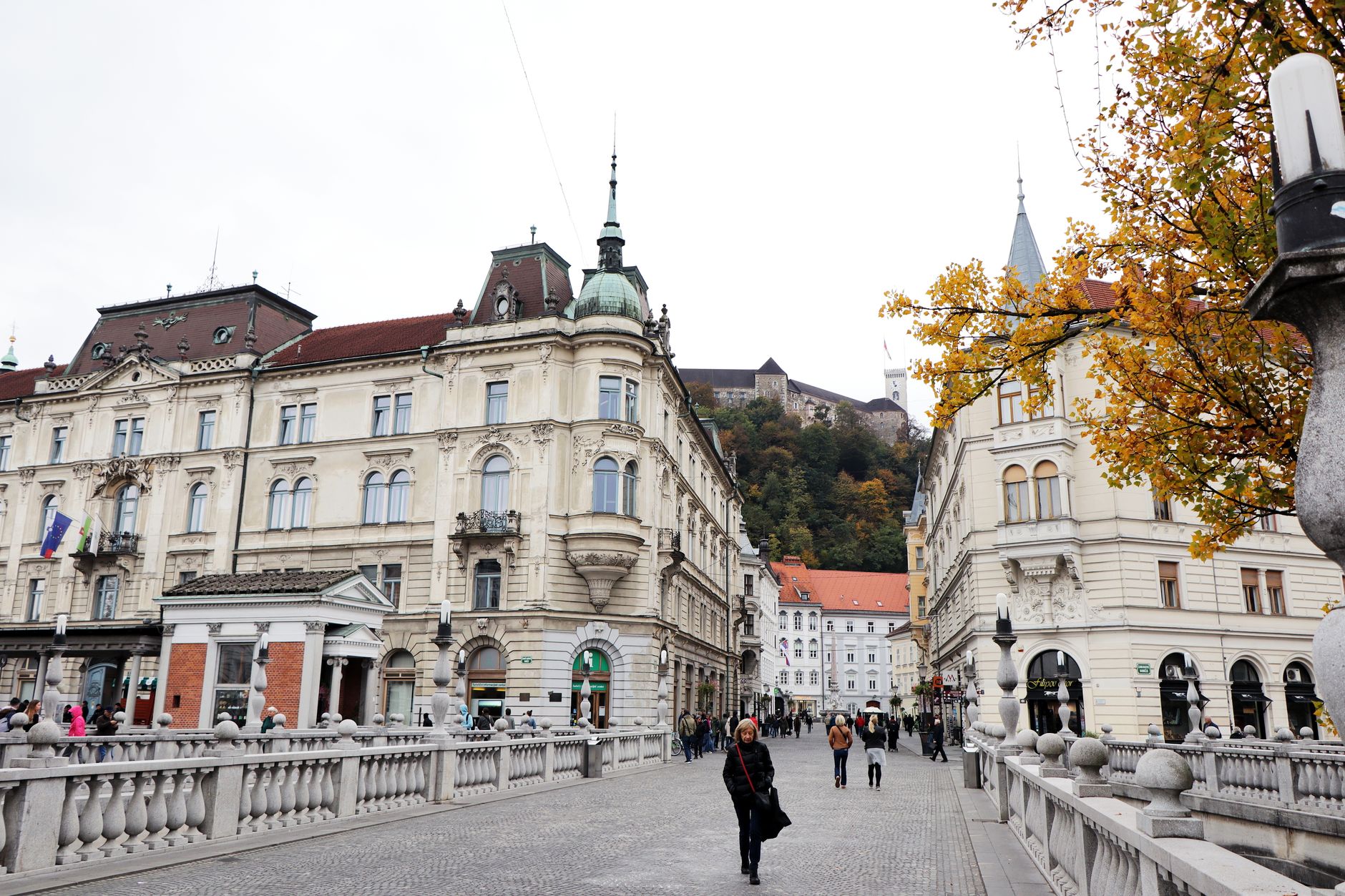
Most people arrive in Ljubljana in the late afternoon, eat near the Triple Bridge, and book a morning transfer to Lake Bled. The city functions as a waypoint in their itinerary - somewhere to sleep before the postcard shot. This is a waste of an unusually good city.
Ljubljana is the capital of Slovenia, home to around 285,000 people, and compact enough that you can walk its centre without a map and not feel lost. That walkability gets mistaken for smallness. It isn’t small - it’s just dense in the right way. The old town sits on both banks of the Ljubljanica River, connected by bridges that were mostly designed or redesigned by the architect Jože Plečnik, who shaped much of the city’s public space between the wars. His fingerprints are everywhere: the colonnaded market along the riverbank, the library on Vegova Street, the cemetery at Žale. If you have any interest in twentieth-century European architecture outside the usual canon, spending a morning following his work through the city is a legitimate reason to come here on its own.
The Food Scene Is Not Performing for Tourists
The restaurants in the centre know tourists are there, but the cooking hasn’t tilted toward them yet in the way that happens to cities with heavier foot traffic. Slovenian food - buckwheat dishes, slow-braised meats, štruklji, the dairy-heavy influences from the Alpine north - appears on menus without being dressed up as a local experience. It just exists because that’s what people eat. The covered market on Pogačarjev trg sells produce six days a week. It is not a food hall. It is a market.
Castle Access, Honestly
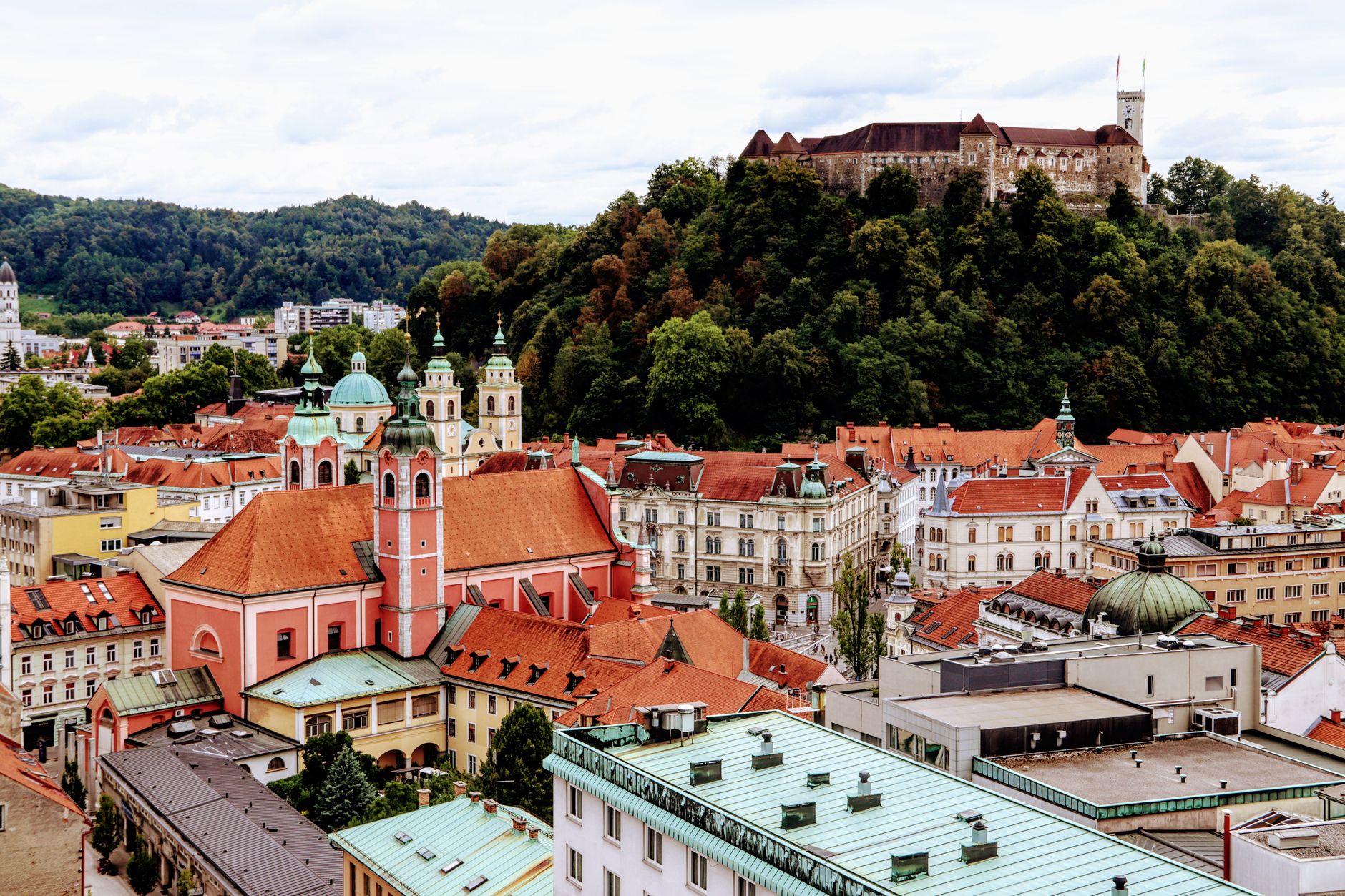
Ljubljana Castle sits above the old town and charges admission. The funicular costs extra. Views from the top are good but not dramatically better than what you get from several free spots on the hill paths below. If you’re watching budget, walk up and skip the tower.
Four Days Is Not Excessive
Day trips to Lake Bled, Postojna Cave, and the Soča Valley are all manageable from Ljubljana by car or organised transfer. These are not consolation prizes - the Soča in particular is one of the most visually striking river valleys in the Alps. But they work better as extensions of a Ljubljana base than as reasons to leave quickly.
The city also has a genuinely good bar culture that runs late without feeling like a party destination. Metelkova, a former military barracks turned autonomous cultural centre, operates on its own schedule and makes no effort to accommodate early arrivals. Show up after 11pm or don’t bother.
One night here is logistics. Four nights is actually seeing the place.