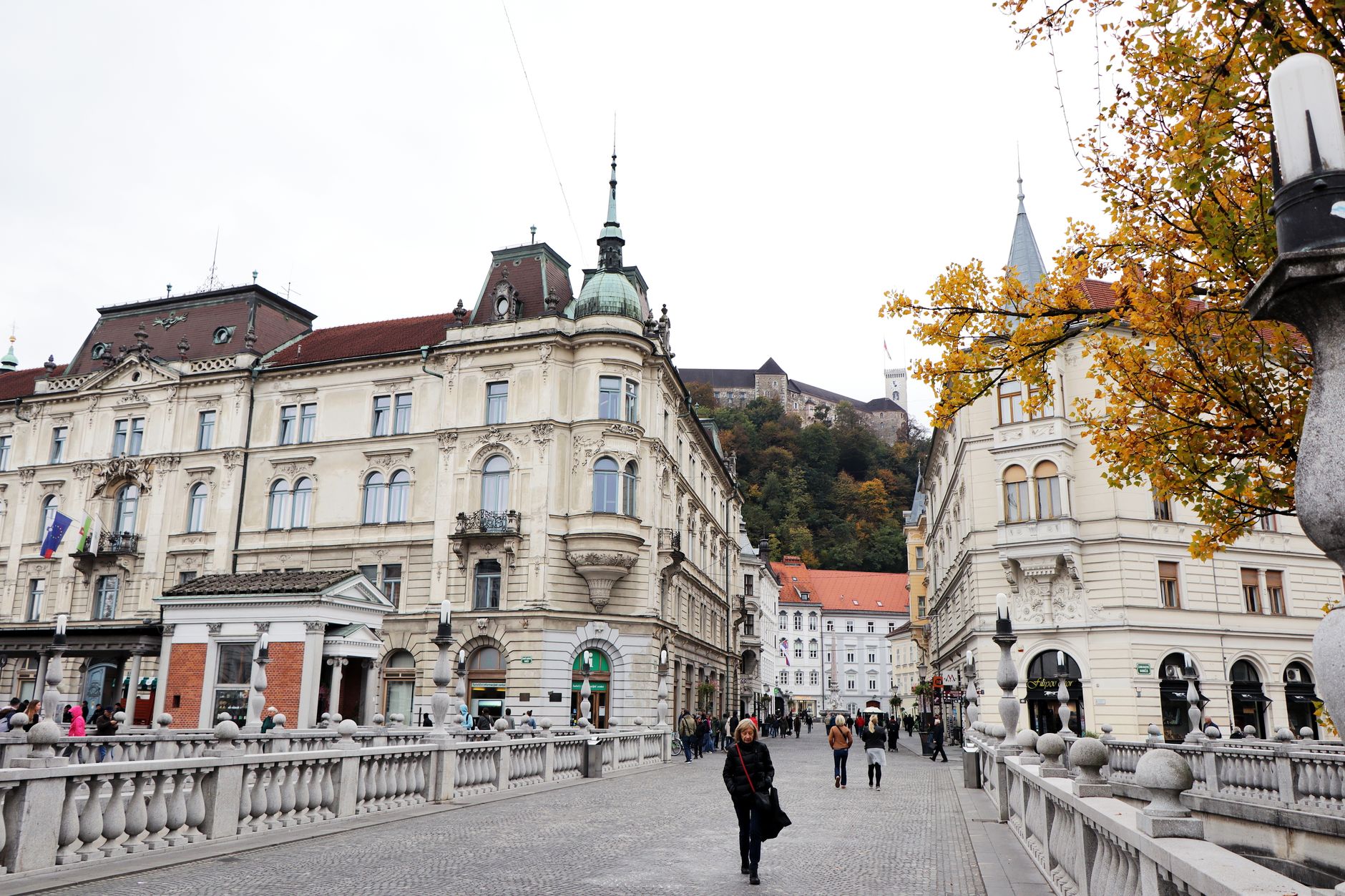
Most people arrive in Ljubljana with half a plan. They’ve booked a night between somewhere bigger - Vienna, usually, or Zagreb - and they figure they’ll see the castle, walk the river, tick it off. And they do. And they leave thinking they got it.
They didn’t.
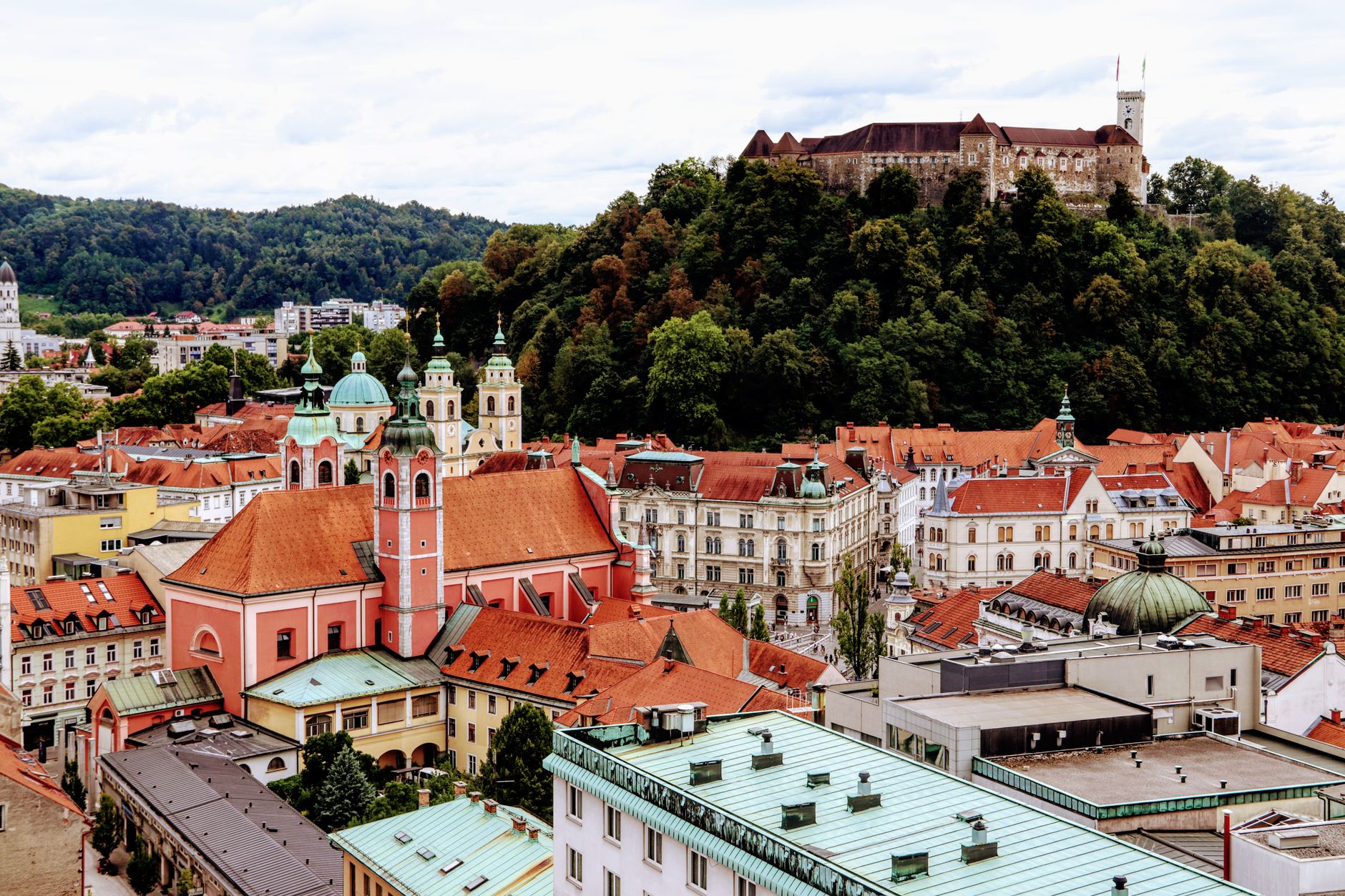
The castle is fine. It’s worth going up for the view over the terracotta rooftops and the way the Julian Alps appear behind the city on clear days, closer than you expect. But the castle is also the most visited thing in a city where the interesting parts are almost entirely at street level.
The River Is the Room
The Ljubljanica runs slowly through the centre, and the cafés that line it - particularly on the eastern bank between the Triple Bridge and the market - operate from morning until late without any particular urgency. The seating spills onto the cobblestones. There’s no view to compete for. You sit, people pass, the water barely moves. It’s one of the more genuinely relaxed urban spaces in Central Europe, which is saying something in a region that takes outdoor sitting seriously.
The Central Market, designed by Jože Plečnik in the 1940s, runs along the river on the opposite bank. Plečnik shaped much of what Ljubljana looks like - the covered market colonnade, the Triple Bridge, the National and University Library - and his influence is distinctive enough that the city’s architecture reads as a coherent project rather than accumulated centuries of different hands. It’s unusual. Worth slowing down for.
The Part Most People Skip
Metelkova, a former military barracks turned autonomous cultural centre in the 1990s, sits about fifteen minutes’ walk from the river. It’s not polished. The walls are covered in murals and the spaces change use depending on the season and whoever’s running things at the time. Clubs, gallery spaces, a hostel. It doesn’t look like anything that would appear in a promotional brochure for Slovenia, which is probably why it doesn’t.
On Time
Three days is enough to stop moving quickly. One day gives you the Triple Bridge and a coffee. Two days gets you the market, a walk up to the castle at dusk, dinner somewhere that isn’t directly on the river. The third day is where the city actually settles - where you’re not trying to see it anymore.
Whether that third day changes how you think about the first two is something you’d have to find out yourself.