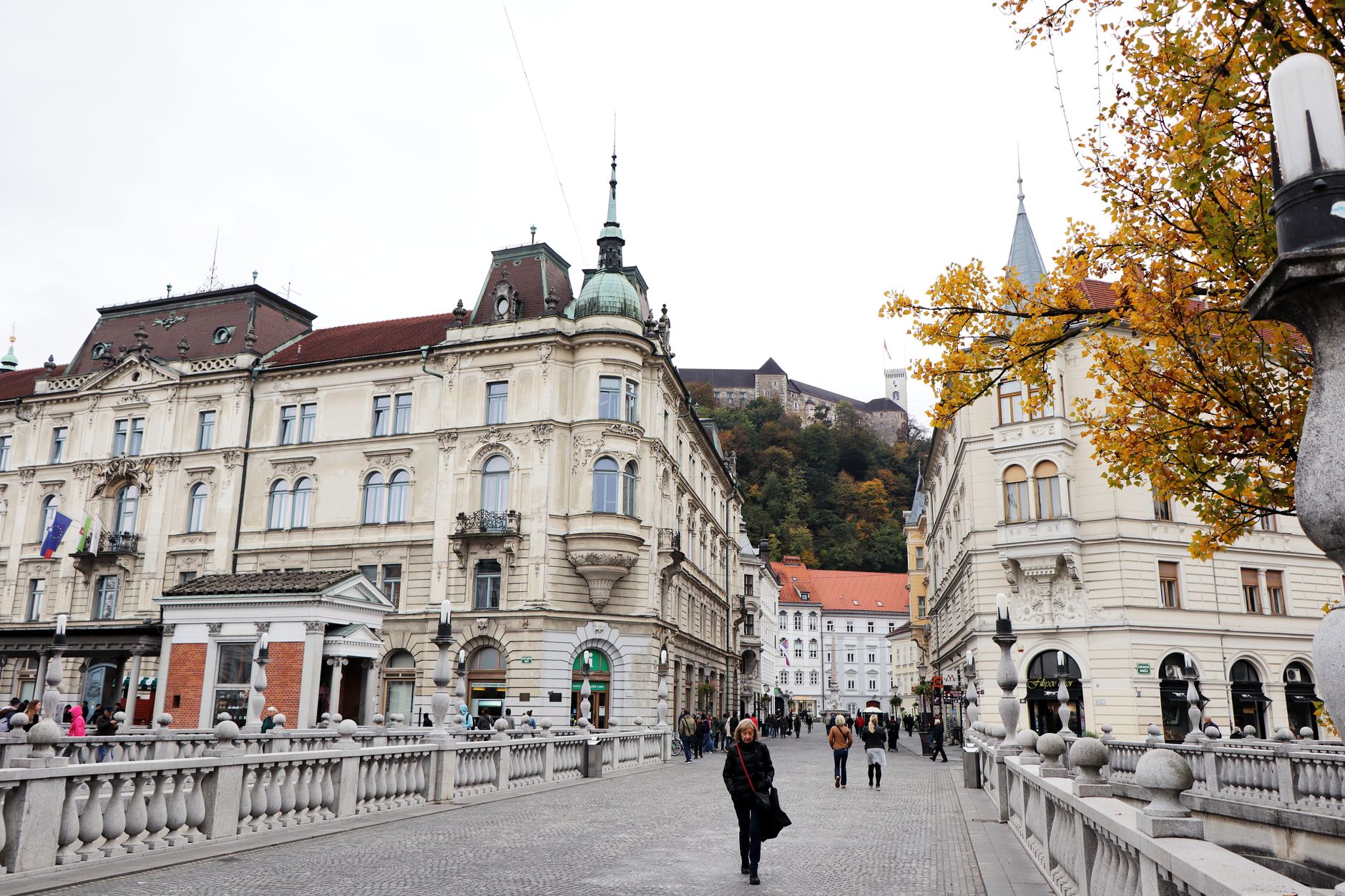
Most people arrive in Ljubljana with a plan to leave by dinner. Train to Zagreb, or maybe back to Vienna - Ljubljana treated as a pleasant interruption rather than a reason to be there at all. It’s understandable. The city is small, the castle is visible from everywhere, and the main drag along the Ljubljanica can be walked in twenty minutes. The logic writes itself: see it, tick it, move on.
That logic misses almost everything worth knowing about the place.
The River Is the Point
The Ljubljanica doesn’t frame the city the way the Seine frames Paris - it runs through the middle of it, slowly, at a level that puts you almost eye to eye with the water when you sit at one of the riverside cafés. The bridges are the real architecture here. Tromostovje - the Triple Bridge - is famous enough, but the Dragon Bridge two minutes north gets ignored by most visitors despite being one of the better examples of early 20th-century Secessionist work in Central Europe. The dragons have green oxidized copper scales and look genuinely menacing. They deserve more than a photo taken from a moving Uber.
The café culture along the river is not performing for tourists. Locals use it daily, which becomes obvious around 8am when it’s university students and people with laptops rather than tour groups. Sitting there with a coffee for an hour costs almost nothing and tells you more about the city than the castle does.
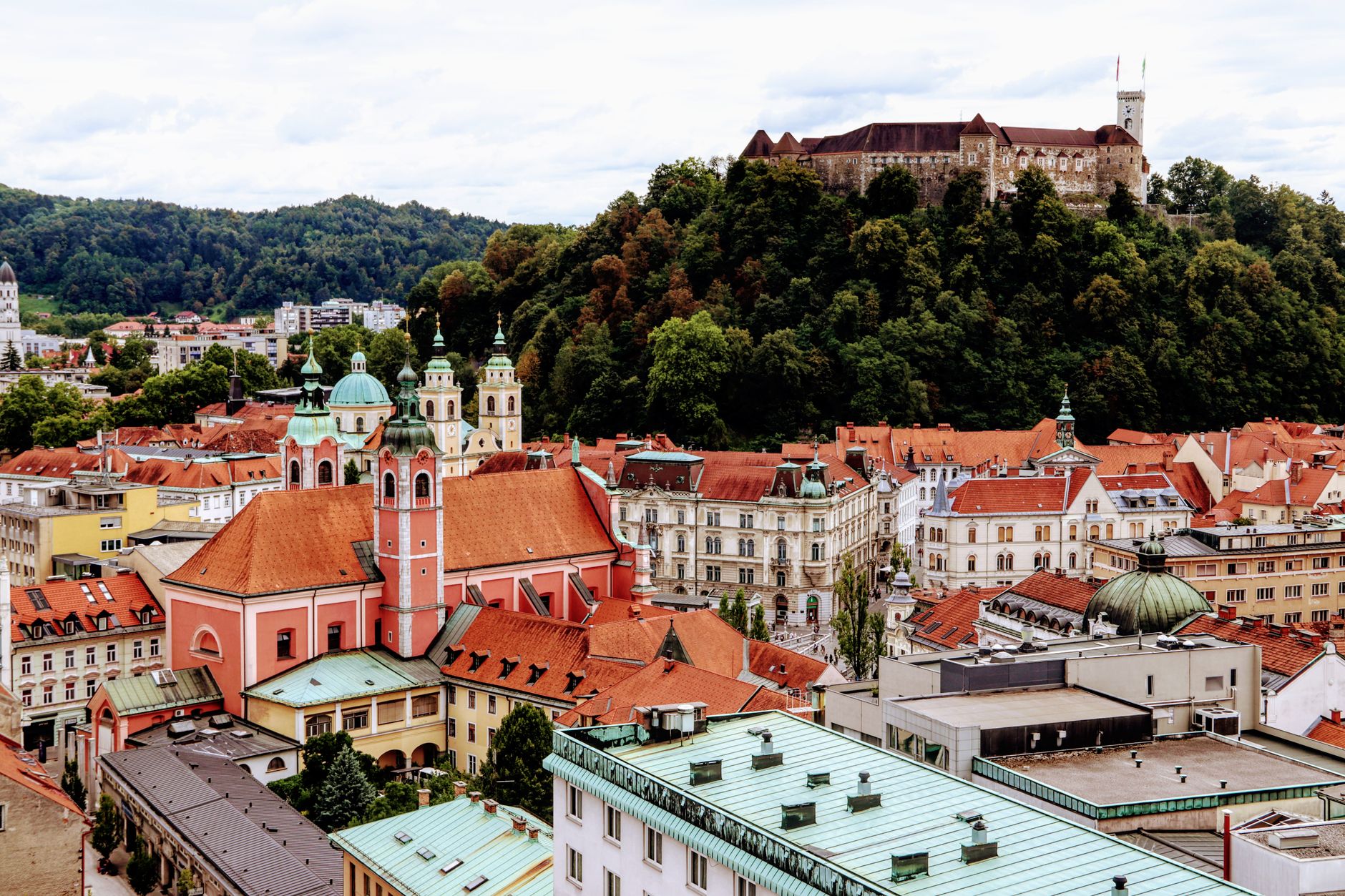
The Castle Is Fine
It is what it is. Good view. Reasonable museum. Worth the funicular if your legs are tired. Not the reason to come here.
What Three Days Actually Gets You
The market below the castle runs Tuesday through Sunday and is one of the better urban food markets in the region - not in a curated, artisanal sense, but in the sense that actual Slovenian farmers drive in and sell actual produce. Piran salt, aged Tolminc cheese, honey from the Karst region. By the second morning you start to recognize the vendors, which is when a place stops being a destination and starts being somewhere you actually are.
Beyond the centre, Metelkova - Ljubljana’s autonomous cultural zone occupying a former Yugoslav army barracks - operates on its own schedule and doesn’t make concessions to early risers or people who want things to be tidy. It’s easier to understand if you’ve had a day to understand the city around it first.
One day gives you the shape of Ljubljana. Three days gives you some sense of its texture - the way the city is unhurried in a way that doesn’t feel sleepy, just unbothered. Whether that texture is what draws people back, or whether most visitors simply never find out, is something the one-day crowd will never know.