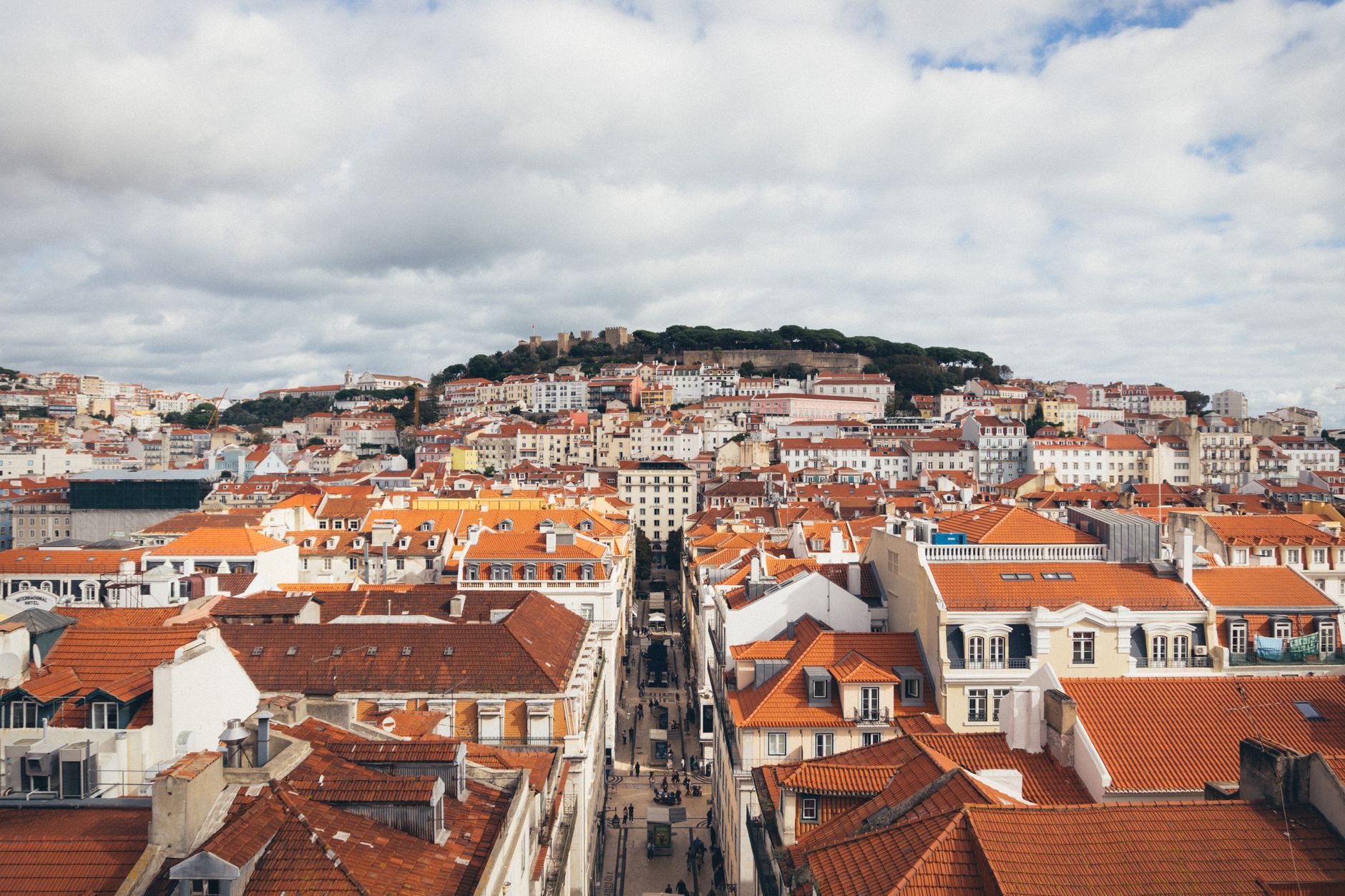
Tram 28 is one of the most photographed transit lines in Europe, and also one of the most miserable to actually ride. In summer, the queue at Martim Moniz can stretch forty minutes before you’re even aboard, and once you are, the car is packed tightly enough that pickpockets treat it as a professional opportunity. The ride is genuinely scenic - the tram grinds up through Alfama, tilting at angles that feel structurally optimistic - but the experience is almost entirely ruined by the conditions.
Lisbon has a quieter answer to this, and most visitors walk past it without stopping.
The elevadores are public transit, not tourist attractions
There are five elevadores in Lisbon - mechanised street lifts that connect the lower city to its hilltop neighbourhoods. The most famous is Elevador de Santa Justa, a wrought-iron tower lift near Rossio that does attract its own queue. Skip it. The more useful ones are the three funiculars: Elevador da Bica, Elevador da Glória, and Elevador do Lavra.
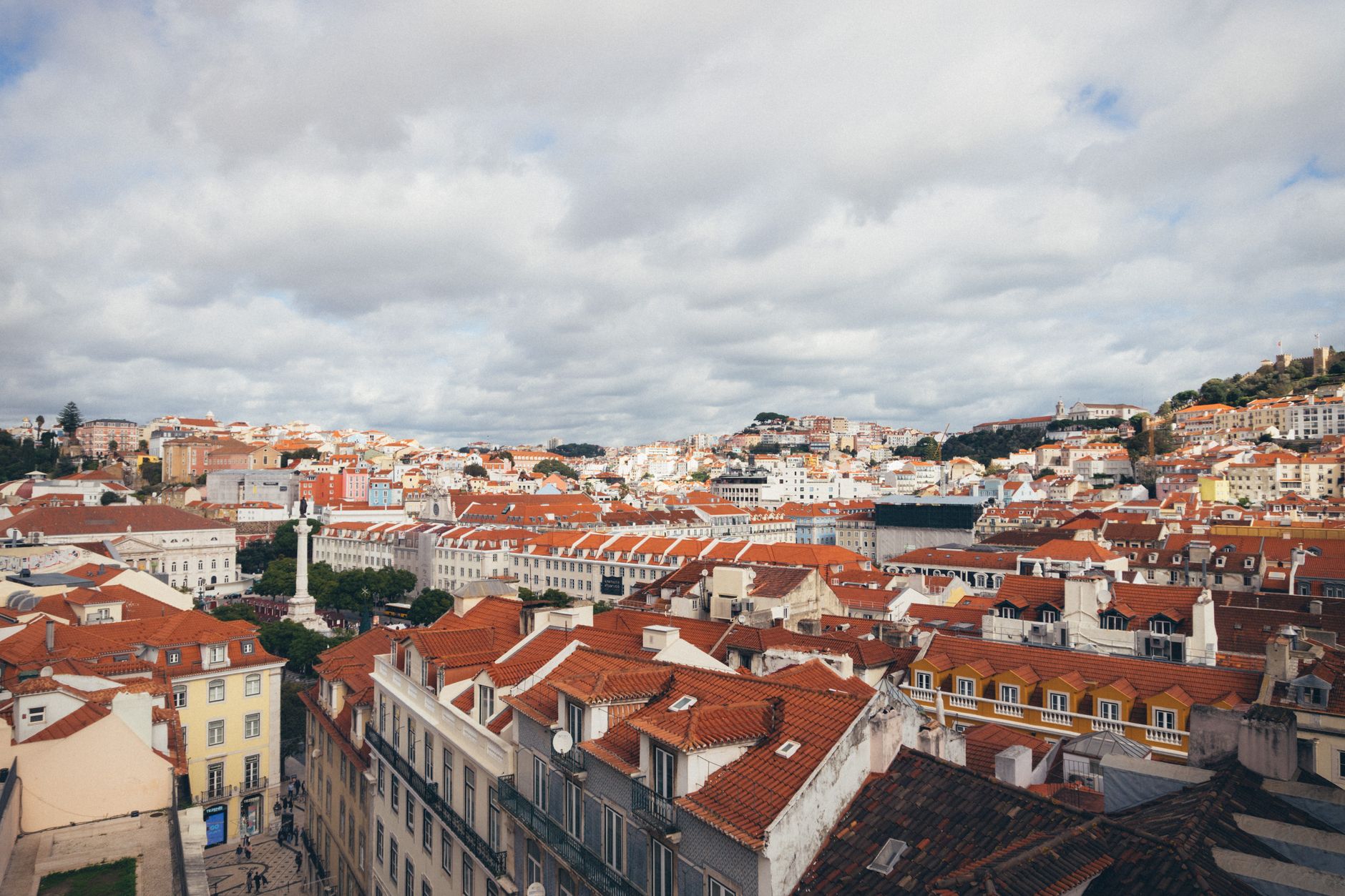
All three run on the Carris network, which means they accept the same Viva Viagem card you’d use on the metro. A single trip costs the same flat rate as any other surface transit. Elevador da Glória, which runs from Restauradores up to the Bairro Alto, takes about ninety seconds and deposits you at a miradouro with a direct view over the Baixa grid towards the Tagus. At most times of day, there’s no queue at all.
Elevador do Lavra is the oldest in the city, opened in 1884, and climbs from Rua Câmara Pestana up into a neighbourhood that sees almost no tourist foot traffic. The street at the top is calm and residential. There’s a small garden. It’s the kind of place you land in and then stay longer than planned.
The logic of going up
Lisbon is structured vertically more than horizontally. The flatlands around Baixa and Chiado connect to half a dozen distinct hill districts, each slightly different in character, and the elevadores were built specifically to solve the friction of moving between them. Using them as transit rather than spectacle changes how you move through the city - you stop thinking about Alfama and Mouraria as destinations to visit and start thinking about them as places you pass through on the way to somewhere else.
That shift - from itinerary to circulation - is what most first-time visits to Lisbon never quite reach. The tram queue is partly to blame.