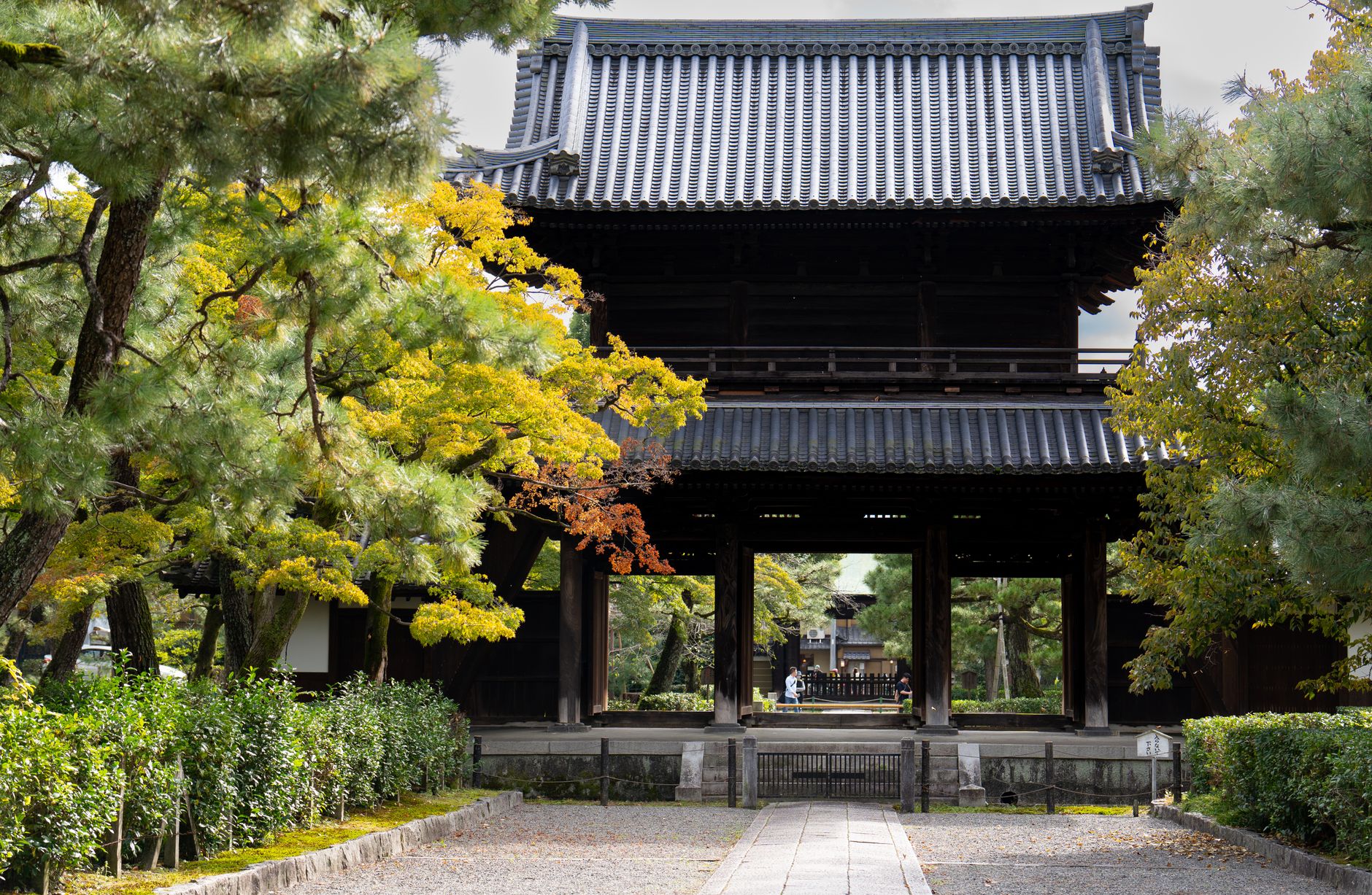
Most people rule out Kyoto in June the moment they see the word tsuyu - the rainy season that settles over the Kansai region roughly from early June through mid-July. That instinct is understandable and almost entirely wrong.
The crowds that make Fushimi Inari feel like a theme park queue in late March are gone. The tour buses thin out. Arashiyama’s bamboo grove, which in April requires arriving before 6am to experience without a hundred people in frame, becomes something you can actually stand inside and hear. The rain softens the acoustics. The moss - and Kyoto has spectacular moss - turns an almost electric shade of green that no other season produces.
What June Actually Feels Like on the Ground
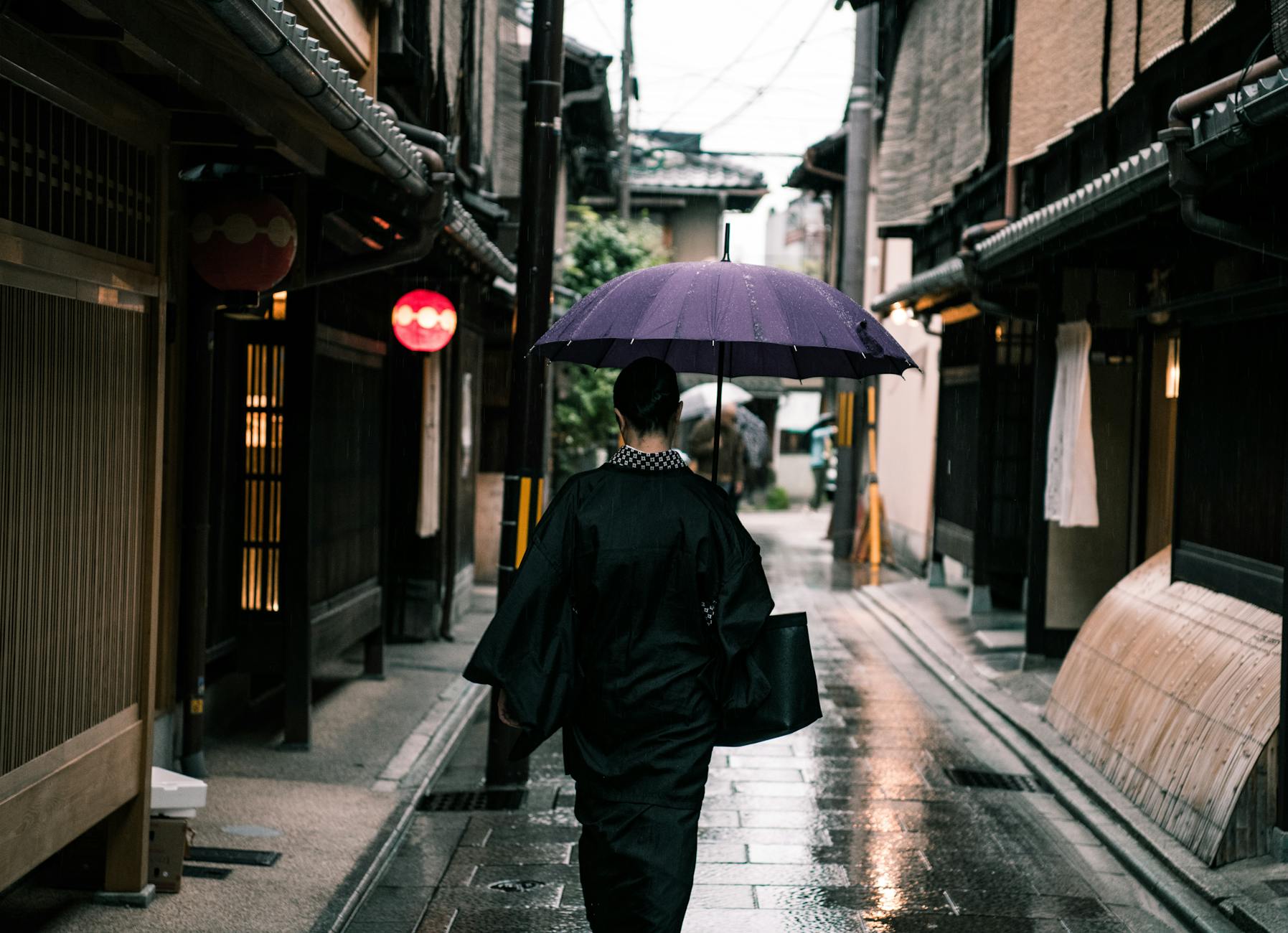
Rainfall during tsuyu isn’t the constant downpour people imagine. It tends to come in bursts: a heavy morning, a clear afternoon, fog in the hills at dusk. Packing a compact umbrella and a light waterproof layer handles most of it. Temperatures in June sit roughly between 20°C and 28°C, which is far more walkable than the suffocating humidity of July and August.
The hydrangea temples are a genuine draw in June and not a tourist board invention. Mimurotoji in Uji and Yanagidani Kannon in Nagaotani both maintain large hydrangea gardens that peak mid-June. Neither is on the standard tourist circuit, which means access is easy and the atmosphere is genuinely calm.
One Thing to Adjust
Some of Kyoto’s outdoor sites - particularly the Philosopher’s Path and the gardens at Shisendo - are at their best on overcast days in June because the flat light removes the harsh shadows that make midday photography frustrating in summer. If you’ve been putting off a Kyoto trip because of crowds or heat, the logic for going in shoulder season here is stronger than almost any other destination in Japan.
Accommodation prices drop noticeably from Golden Week highs. Guesthouses in Higashiyama that are booked out months in advance in October often have rooms available with short notice in early June.
The city doesn’t perform for June visitors. It just exists - quieter, greener, and more like the place people are always hoping it will be when they arrive in peak season and find it isn’t.