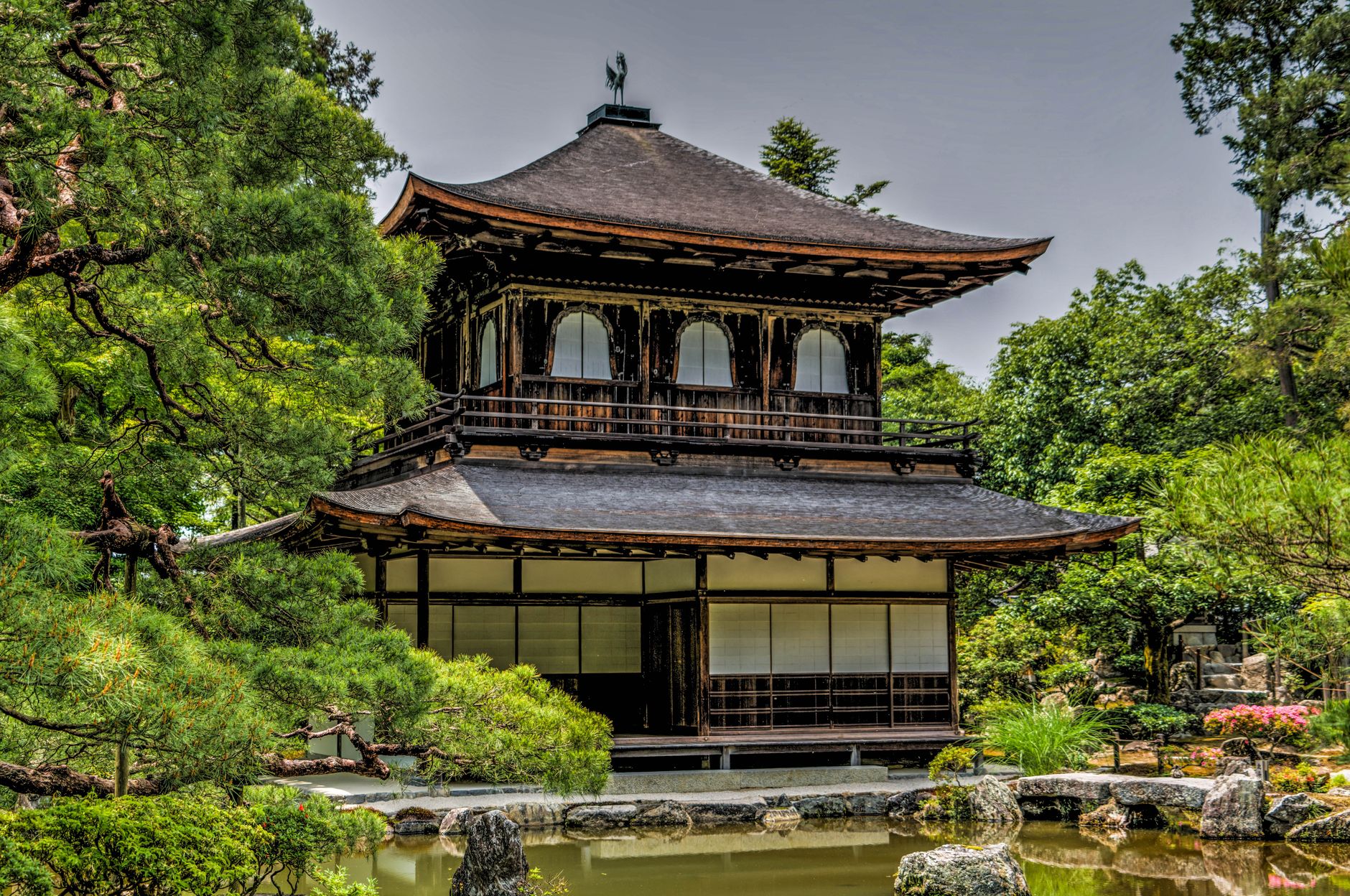
The crowds that descend on Kyoto in cherry blossom season or during autumn foliage are the stuff of travel legend - and not in a good way. Fushimi Inari at 10am in April looks less like a sacred path through vermillion gates and more like a queue for a theme park ride. June gets written off because of the rain. That’s a mistake.
The rainy season (tsuyu) typically arrives in Kyoto around early June and runs through mid-July. Rainfall is not constant - it comes in slow, grey drizzles and occasional heavier downpours rather than all-day storms. Mornings are often clear. The dampness, though, does something to the city’s temple gardens that no other season can replicate: moss turns an almost electric green, stone lanterns bead with water, and the air smells like cedar and wet earth. Saihō-ji, the moss garden temple that requires advance written application for entry, looks genuinely otherworldly in June. The effort to get in feels more proportionate when you’re not sharing it with several hundred other visitors.
Accommodation prices drop noticeably in June compared to peak season, and popular sites become walkable again. Arashiyama’s bamboo grove - so photographed that the image has become almost abstract - can actually be experienced as a place rather than a photo opportunity. The light through rain clouds is flat and soft, which, practically speaking, makes for better photography than the harsh midday sun of August.
What you lose
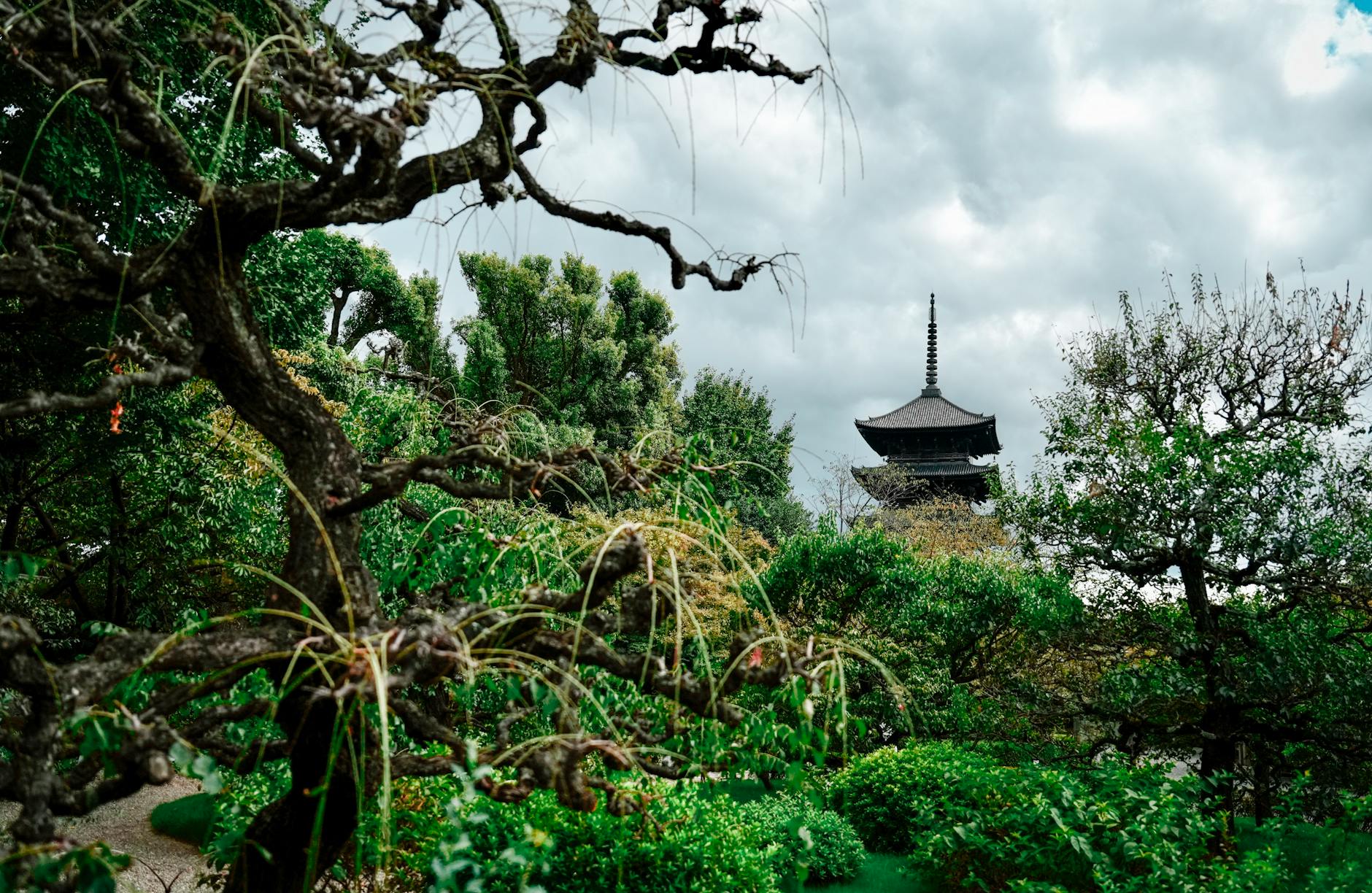
Some things are genuinely less good. Humidity climbs, and wearing a light linen shirt feels ambitious by early afternoon. A few smaller outdoor festivals are clustered around the drier shoulder months. If you’re planning around seeing the Gion Matsuri processions, those fall in July - so June gives you the mood without the main event.
Getting the logistics right
A fold-flat travel umbrella is more useful than a rain jacket here - you’ll be removing shoes to enter buildings constantly, and a jacket becomes a thing to manage. Staying in Higashiyama rather than around Kyoto Station puts you within walking distance of Nanzen-ji, Chion-in, and Maruyama Park without needing to plan around transport delays caused by rain.
The ryokan rates in June are genuinely lower. A room that costs significantly more in November becomes accessible, which changes the entire character of a stay - moving from rushing between sights to actually sitting in a garden while rain hits the gravel.
Whether that trade-off makes sense depends entirely on what you’re going to Kyoto for. But if the answer involves temples, quiet, and some version of the city that doesn’t require elbowing for a sightline, the calculation is fairly clear.