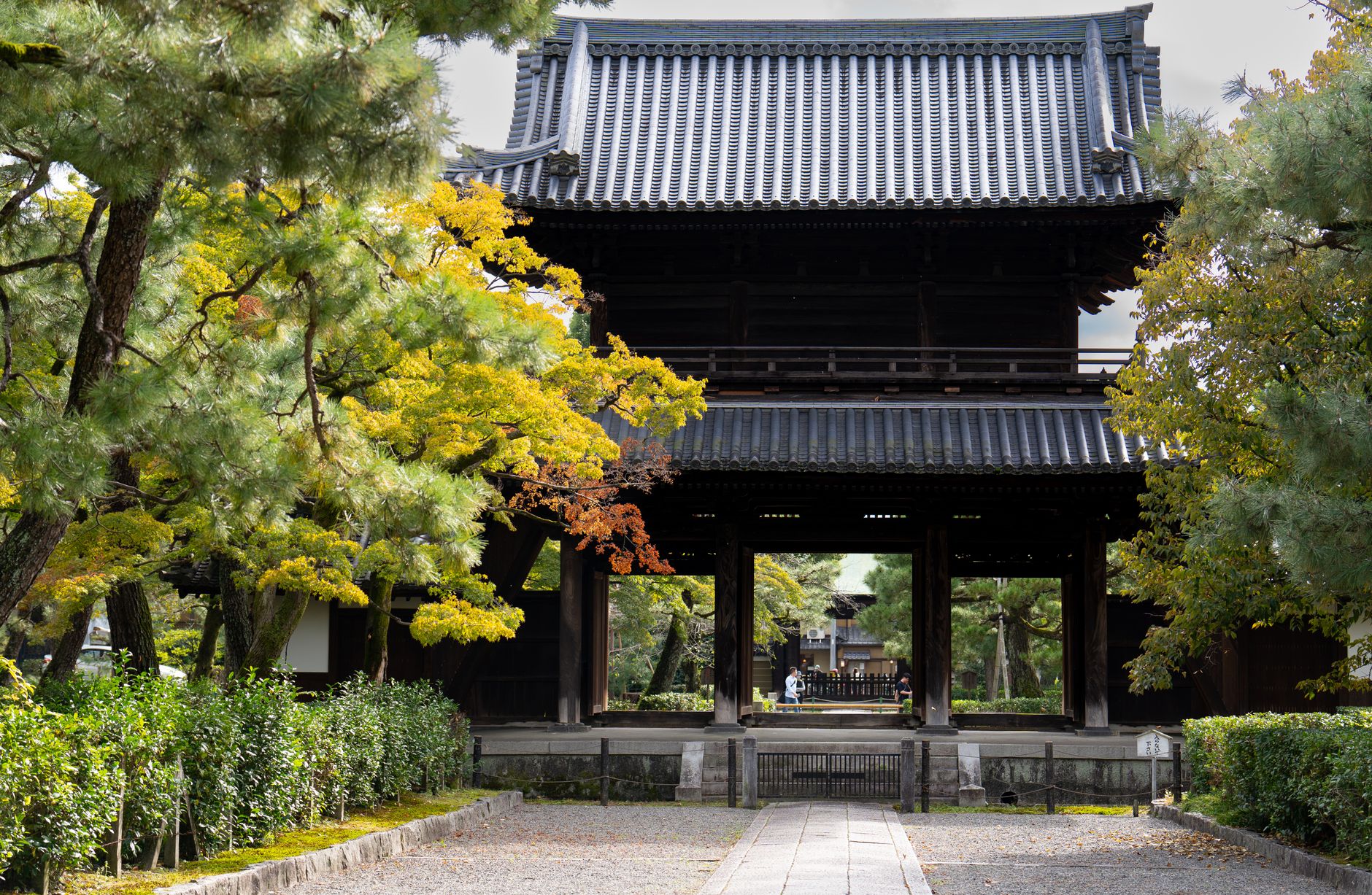
The crowds that descend on Kyoto during cherry blossom season and autumn foliage are well-documented. What’s less talked about is what happens in June, when the rainy season - tsuyu in Japanese - settles over the Kansai region and most international visitors quietly reschedule their trips elsewhere.
They’re leaving behind something genuinely rare: a Kyoto that isn’t performing for anyone.
The Rain Doesn’t Ruin the Temples - It Completes Them
Fushimi Inari at 7am in June is not the place you’ve seen in every travel photo. The mist sits low through the torii gates, the stone foxes are slick and dark, and the cedar-heavy air smells like it hasn’t been aired out since the Edo period. Without the shoulder-to-shoulder crowds that define the site from March through May, you can actually stop walking and just stand there.
The same shift happens at Arashiyama’s bamboo grove. In peak season, it’s a moving queue of phone cameras. In June, on a Tuesday morning after overnight rain, it’s a genuinely strange and quiet place.
Temple gardens - Ryoan-ji, Tofuku-ji’s moss sections, the grounds at Daitoku-ji - were designed with rain in mind. The moss that makes these gardens so visually precise needs sustained moisture to look the way it does in photographs. June is when it actually looks like that.
Accommodation Prices Drop Noticeably
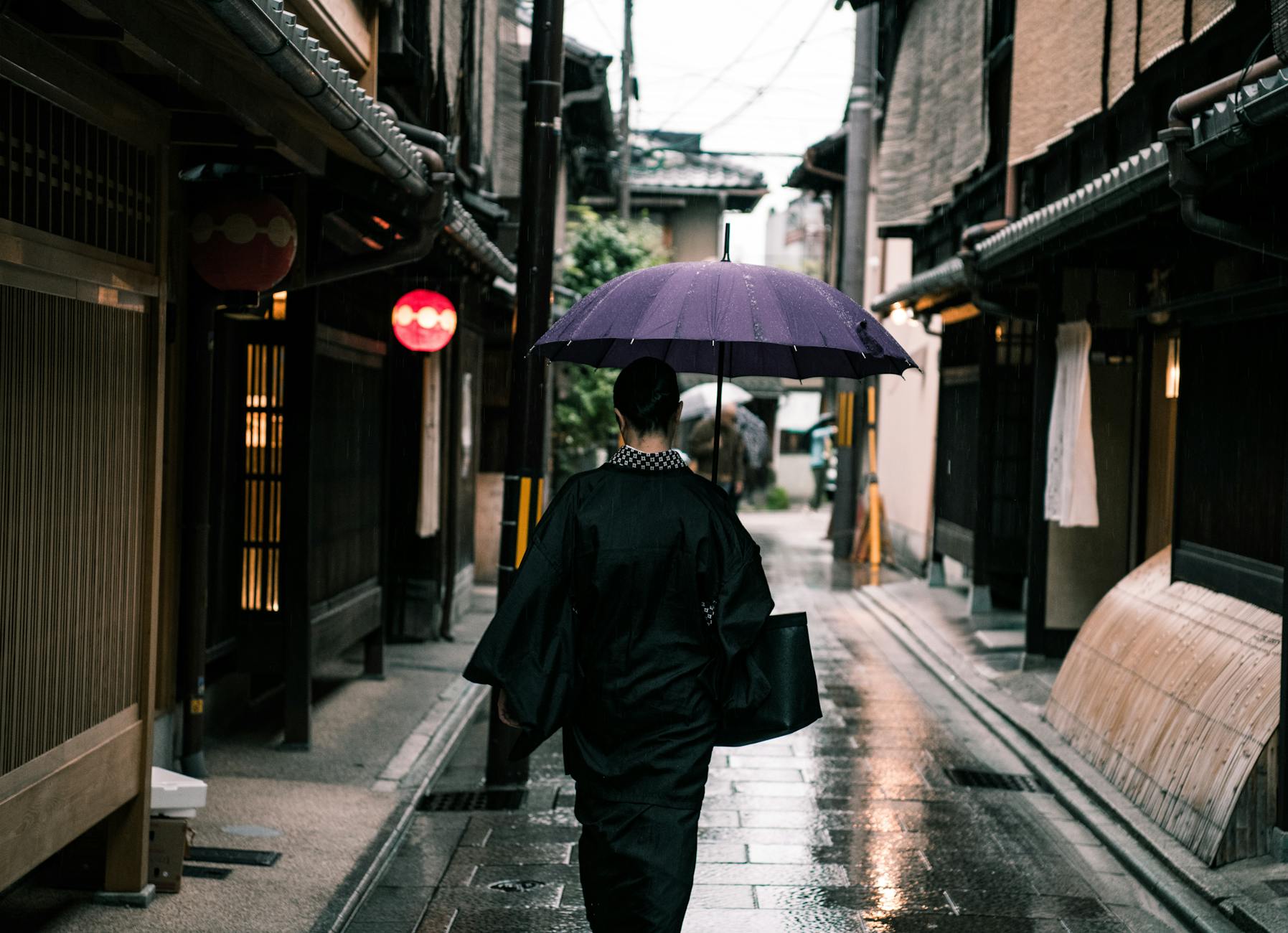
Hotels and ryokan in central Kyoto typically price lower during tsuyu than during the peak spring and autumn windows. Booking a ryokan in Gion in June costs significantly less than the same room in April - and the ryokan is quieter, which is part of what you’re paying for in the first place.
The Hydrangeas Are the Other Thing
Along the path to Mimurotoji Temple in Uji, south of central Kyoto, the hydrangea gardens peak in mid-June. It’s a specific, short window - a week or two at most depending on the year - and the scale of it is something that doesn’t fully land until you’re standing in it. Uji itself, home to some of Japan’s finest matcha production, is undervisited relative to Kyoto proper and easy to reach by train on the Kintetsu Kyoto Line.
The question of whether tsuyu becomes genuinely disruptive - flooding, cancelled transit, days of heavy rain that make walking miserable - depends entirely on the year. Some Junes are light and atmospheric. Others are genuinely soggy. That unpredictability is part of the deal, and it’s probably why more people don’t go.