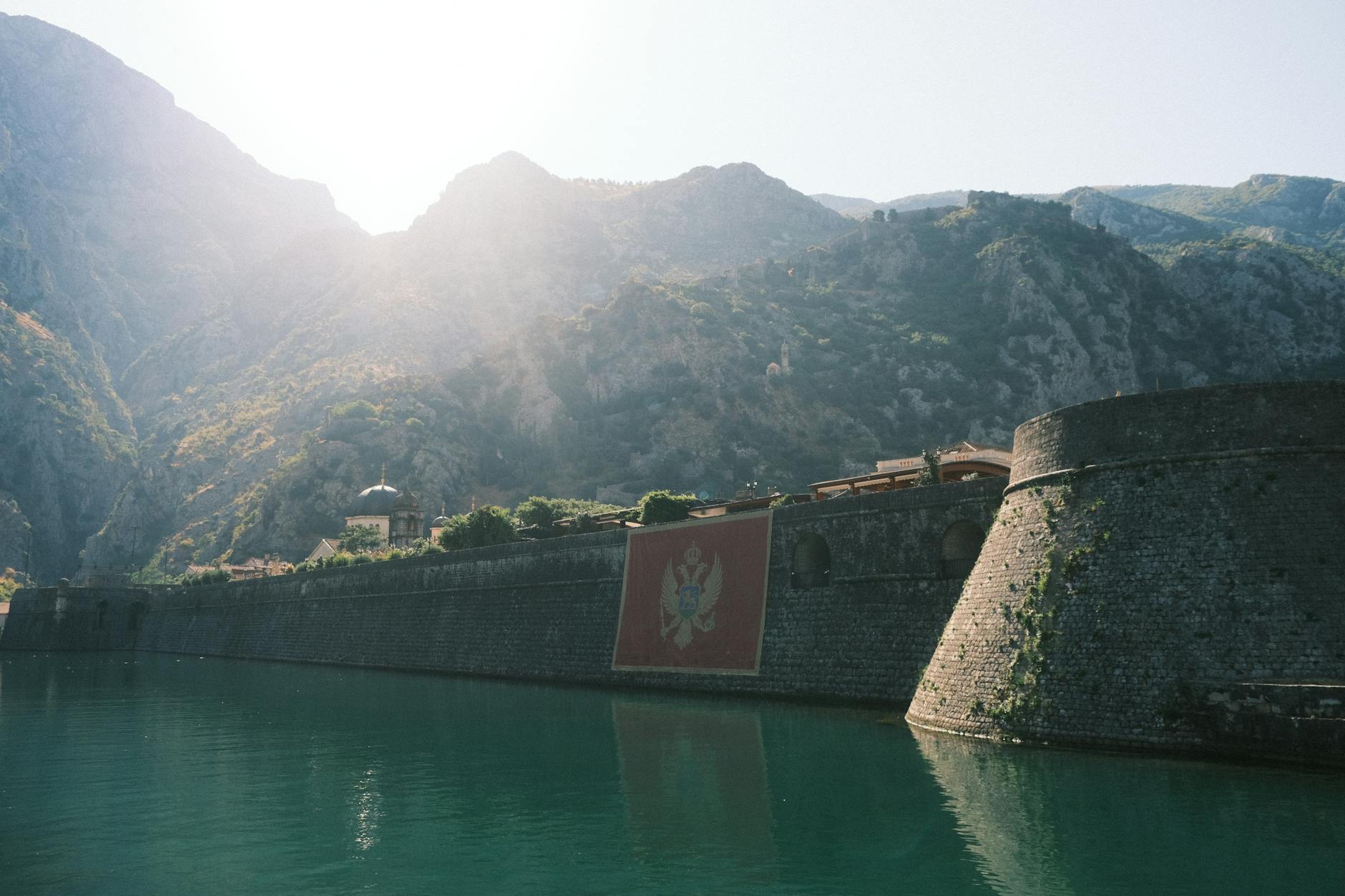
Most people treat the walls of Kotor like a warm-up. They climb them in the morning, take a photo at the fortress of San Giovanni, then come back down and spend the rest of their time eating burek and browsing jewellery shops inside the old town. It’s the wrong way around.
The walls are what Kotor actually is. Everything else - the Venetian piazzas, the cats, the cafés crammed into medieval courtyards - is pleasant enough, but those things exist in every coastal city from Split to Dubrovnik. The walls are specific to here, and they repay time that most visitors don’t give them.
What you’re actually climbing
The fortification system was built and extended over several centuries under Venetian control, which lasted from 1420 to 1797. The full wall stretches around four kilometres, climbing sharply from sea level to the fortress at roughly 260 metres above the bay. It is genuinely steep - not difficult in a technical sense, but relentless. Budget ninety minutes minimum if you’re moving at a normal pace.
The ticket booth is near the Gurdić Gate on the southern end of the old town walls. As of early 2026, the entry fee is around eight euros for adults. There are no guided tours along the route itself; you walk at your own pace.
Timing matters more than you’d think
Kotor in midsummer is busy by 9am. The walls face south and west, which means by mid-morning they’re fully exposed to the Adriatic sun with almost no shade. Climbing in July or August after 10am is genuinely unpleasant, and the views - which are the reason to go - lose their drama in the flat midday light.
The best light is early morning or the hour before sunset. The bay below turns a particular shade of grey-green in the late afternoon that photographs don’t quite capture but stays with you.
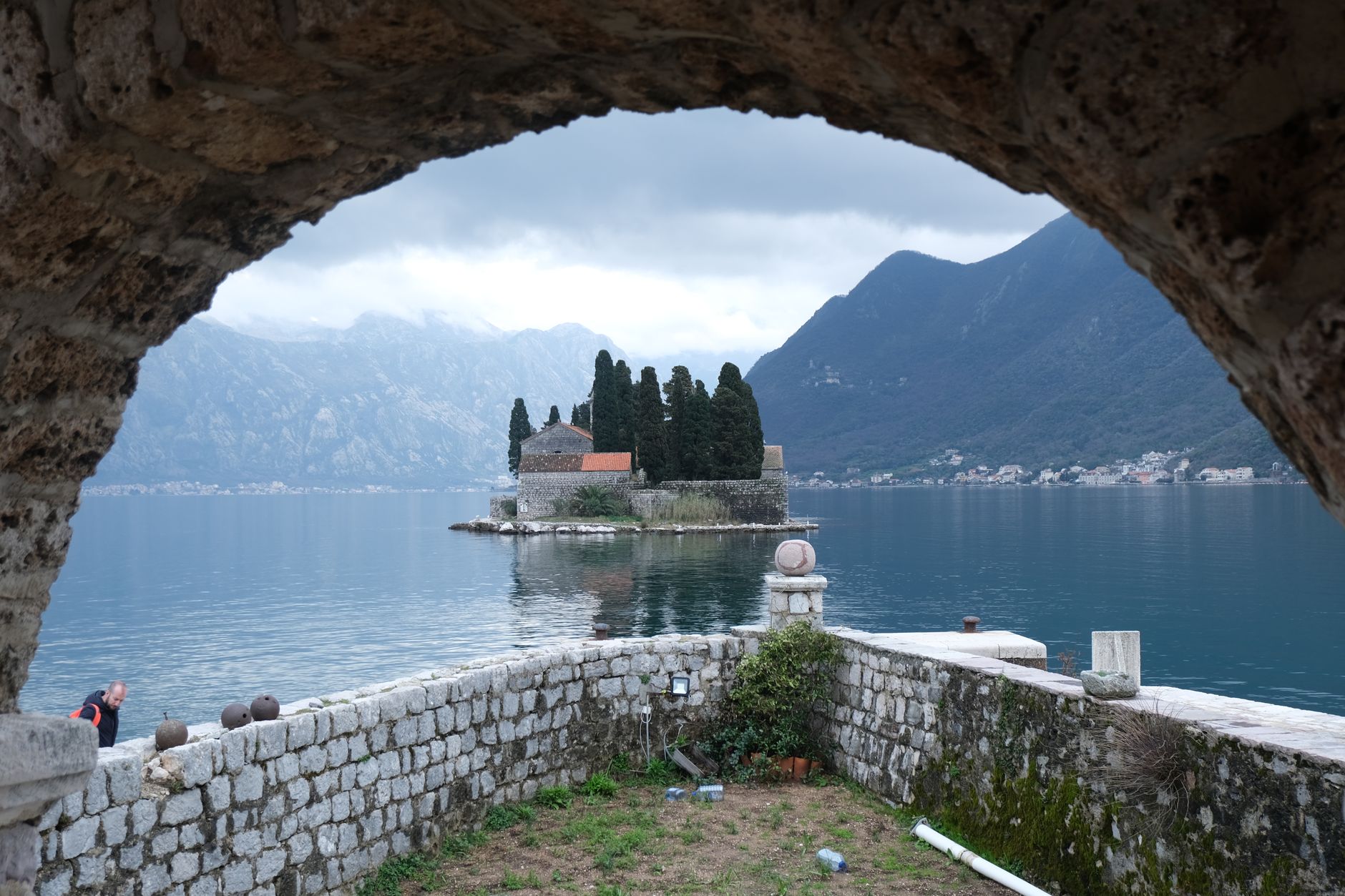
Going at dawn also means you’ll likely have the upper section largely to yourself. The fortress sits above a small church dedicated to Our Lady of Health, and from there you can see the full curve of the Bay of Kotor - technically a fjord, though formed by river erosion rather than glacial activity - stretching back toward the Adriatic.
The town isn’t going anywhere
Kotor’s old town is small. You can walk every lane in about forty minutes. It will be there when you come down, and it will look better after you’ve seen it from above first.