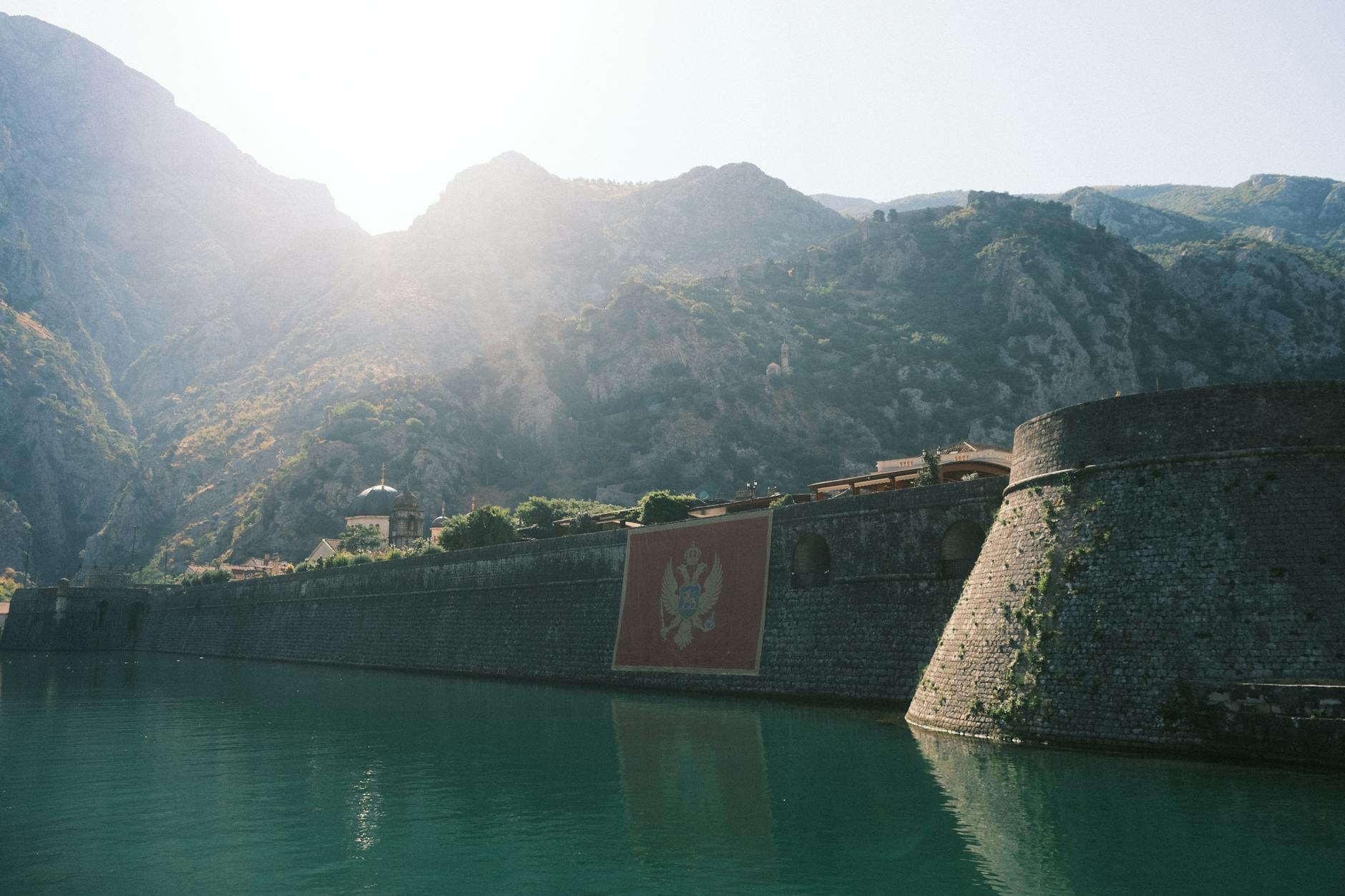
Most people who visit Kotor, Montenegro spend their time at sea level - threading through the marble lanes of the old town, photographing the cathedral square, eating grilled fish somewhere near the water gate. That’s fine. But the old town is essentially a very pretty holding area for the thing that actually defines Kotor: 4.5 kilometres of medieval defensive walls climbing the limestone cliff directly above the city.
The walls were built across several centuries, largely under Venetian control, and they are not a gentle scenic walk. The ascent to the fortress of San Giovanni - the highest point, sitting at roughly 260 metres above sea level - involves around 1,350 steps, depending on which count you trust, and no shade worth mentioning. The path is exposed, the stone is uneven, and in summer the heat off the rock face is genuinely aggressive. Go before 9am or accept that you will be uncomfortable.
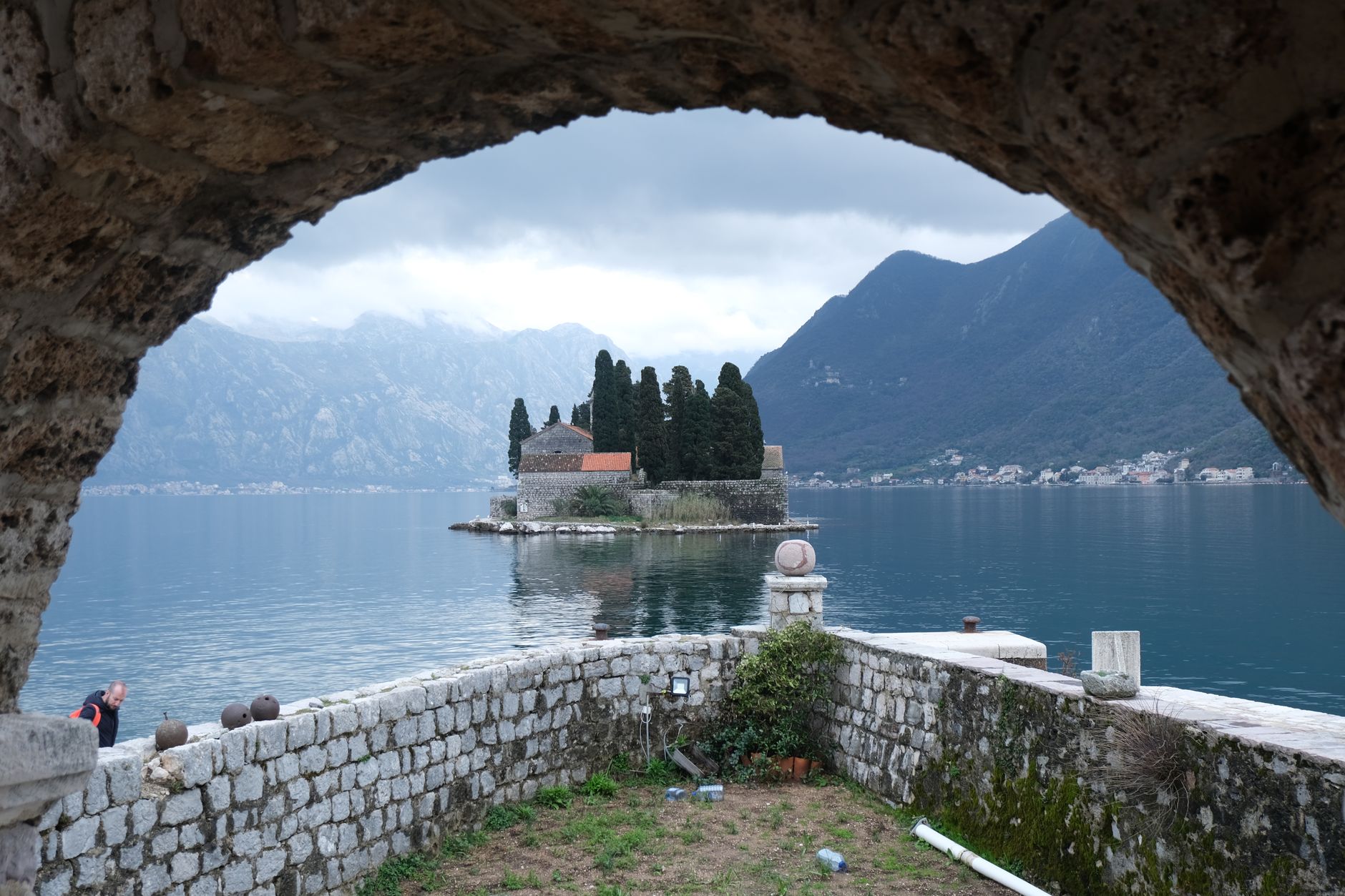
What you get at the top is not just a view. It’s a complete reorientation of the place. From the fortress, the Bay of Kotor - which is a drowned river canyon rather than a true bay, though the distinction matters more to geographers than to anyone looking at it - opens up in a way that makes the old town look exactly like what it is: a small medieval city that survived because of the walls protecting it, not despite them. The mountains on the far side of the water are so close they feel theatrical.
The Entry Fee Is the Same Wherever You Enter
There’s one ticket covering the walls, and you can buy it at multiple points - including partway up, which means some visitors accidentally start climbing before paying and then get flagged by staff stationed higher up. Buy it at the base. The price has changed in recent seasons; check the official Kotor tourism pages before you go rather than relying on what any travel article quotes.
The Descent Is Where People Get It Wrong
Almost everyone comes back down the same way they went up. That’s partly habit and partly because the alternative - continuing past the fortress and descending the back side of the hill toward the village of Škaljari - is less obvious and not well signed. The back route deposits you outside the city walls entirely, which means you’ll need to walk around to re-enter, but the path itself is quieter, shadier in places, and offers a view of Kotor that doesn’t appear on many phone screens.
The old town will still be there when you get back. The fig sellers near the south gate usually are too.