Most people arrive in Kotor by cruise ship or rental car, spend the morning climbing the fortress walls above the old town, eat somewhere near the cat museum, and consider the place done. The walled city is genuinely impressive - medieval Venetian stonework, narrow lanes that dead-end unexpectedly, a square that feels proportioned for a different century. But it’s also small enough to cover completely in under two hours, and the crowds that follow the cruise ship schedule make it feel smaller still.
The thing worth staying for is the bay itself.
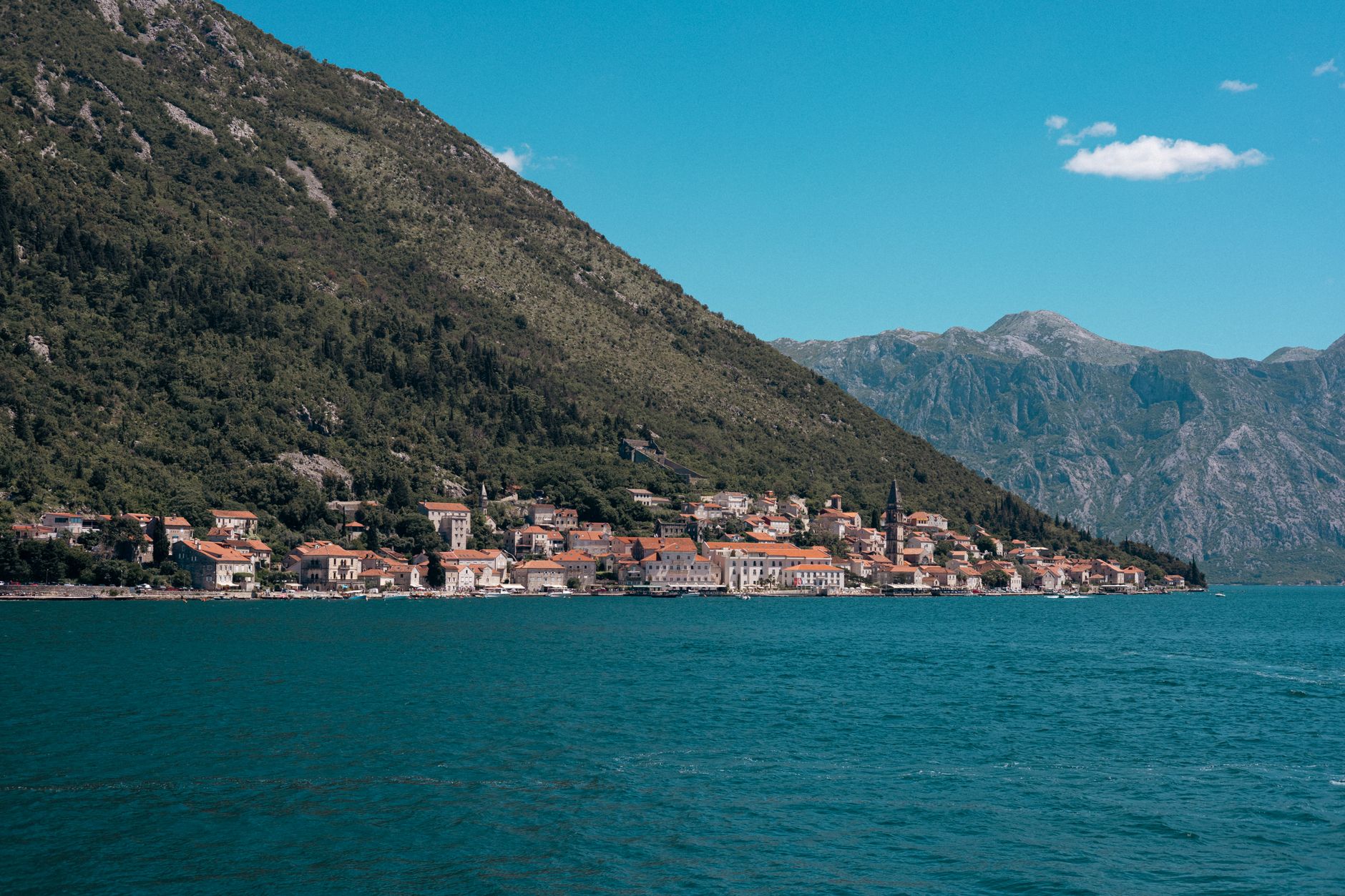
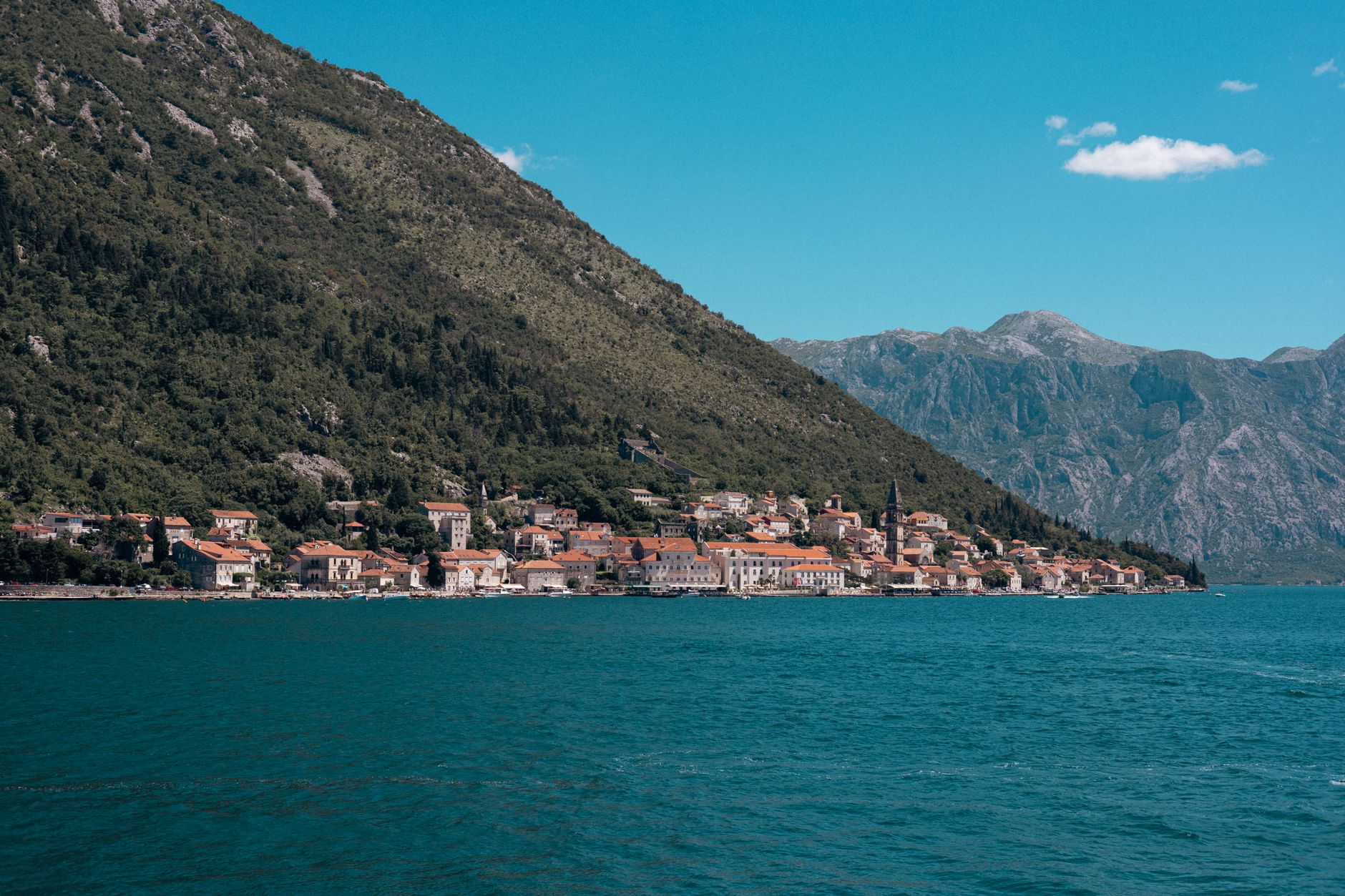
Boka Kotorska - the Bay of Kotor - is technically a series of submerged river canyons rather than a true fjord, though it’s often marketed as southern Europe’s only fjord. What it actually is: a long, folded inlet surrounded by steep limestone mountains, with a string of small towns along its shores that operate on an entirely different pace from the old town. Perast, about 12 kilometres northwest of Kotor, has a single main street and two island churches sitting in the middle of the water. You get to them by flagging down a local boatman from the waterfront - there’s no formal dock or ticket system, just a short negotiation and a five-minute crossing.
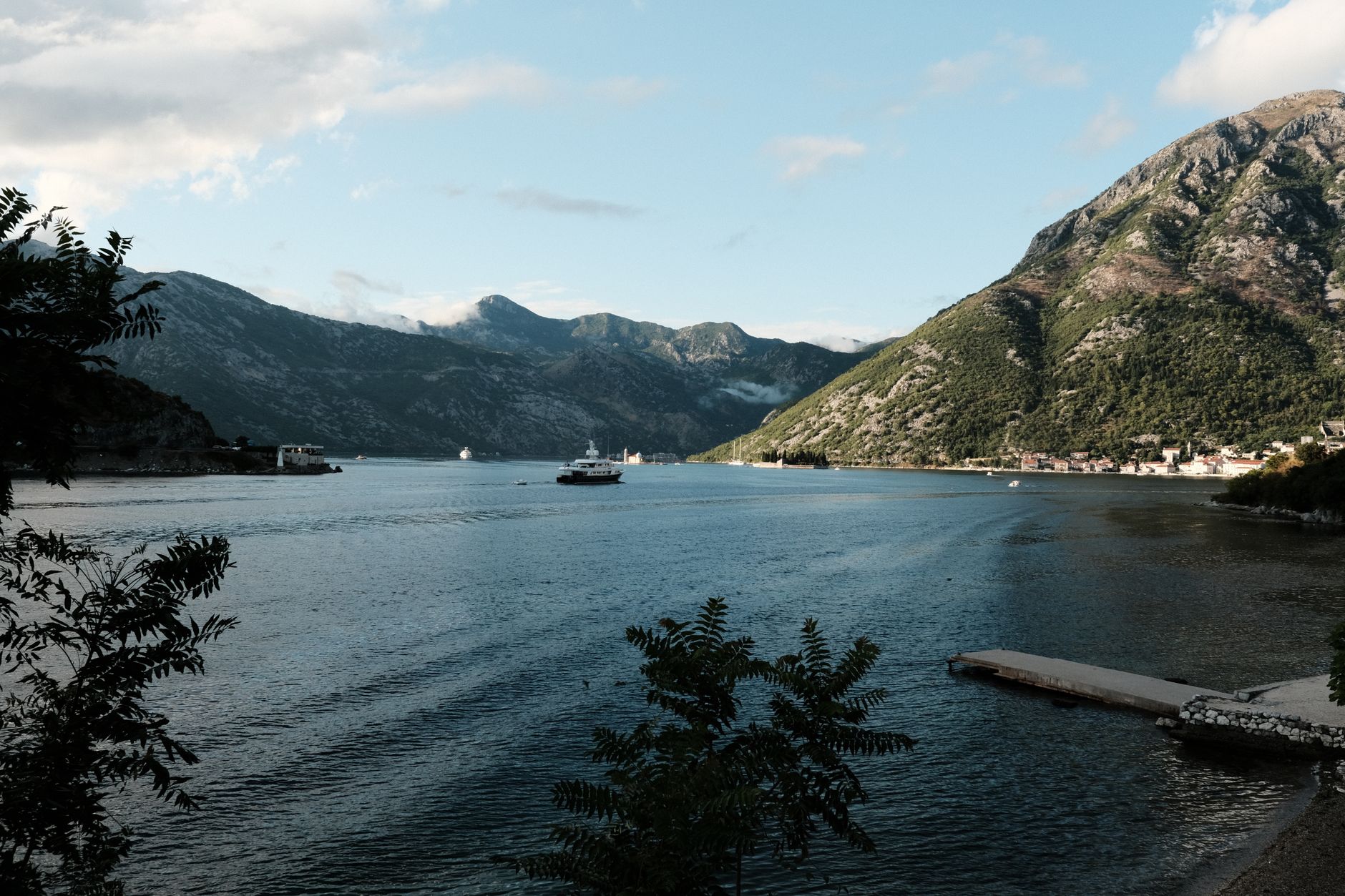
The drive around the bay on the E65 is slow by design. The road clings to the shoreline, passes through Risan and Dobrota, and gives you long views across the water toward the mountains on the opposite side. It’s the kind of road where you’ll pull over not because anything dramatic is happening, but because the light on the water at 6pm is doing something that feels worth stopping for.
Timing the Old Town Visit
Cruise ships typically dock between 8am and 2pm. If you’re staying overnight - which is the right call - the old town in the early evening is a different place entirely. The lanes empty out, restaurants start seating for dinner after 7pm, and the cats that gave the museum its reason to exist actually come out.
The fortress walk takes about 45 minutes each way and is steep enough that sensible shoes matter more than the guidebooks suggest. Go early morning or late afternoon; the midday heat reflecting off white limestone is punishing in summer.
What the Bay Towns Offer
Perast is the obvious stop, but Prčanj and Stoliv are quieter and less photographed. Stoliv in particular sits above the waterline on a hillside, accessible via a narrow road that most tourists miss entirely. There’s not much there - a church, some old stone houses, a view down to the bay - but that’s roughly the point.
How much of the bay you actually cover depends on whether you have a car. The local bus connects Kotor to Perast and continues toward Herceg Novi, but the schedule doesn’t align neatly with the kind of spontaneous stopping the bay rewards. A rental picked up in Kotor or Tivat gives you the flexibility to double back, which you will want to do.