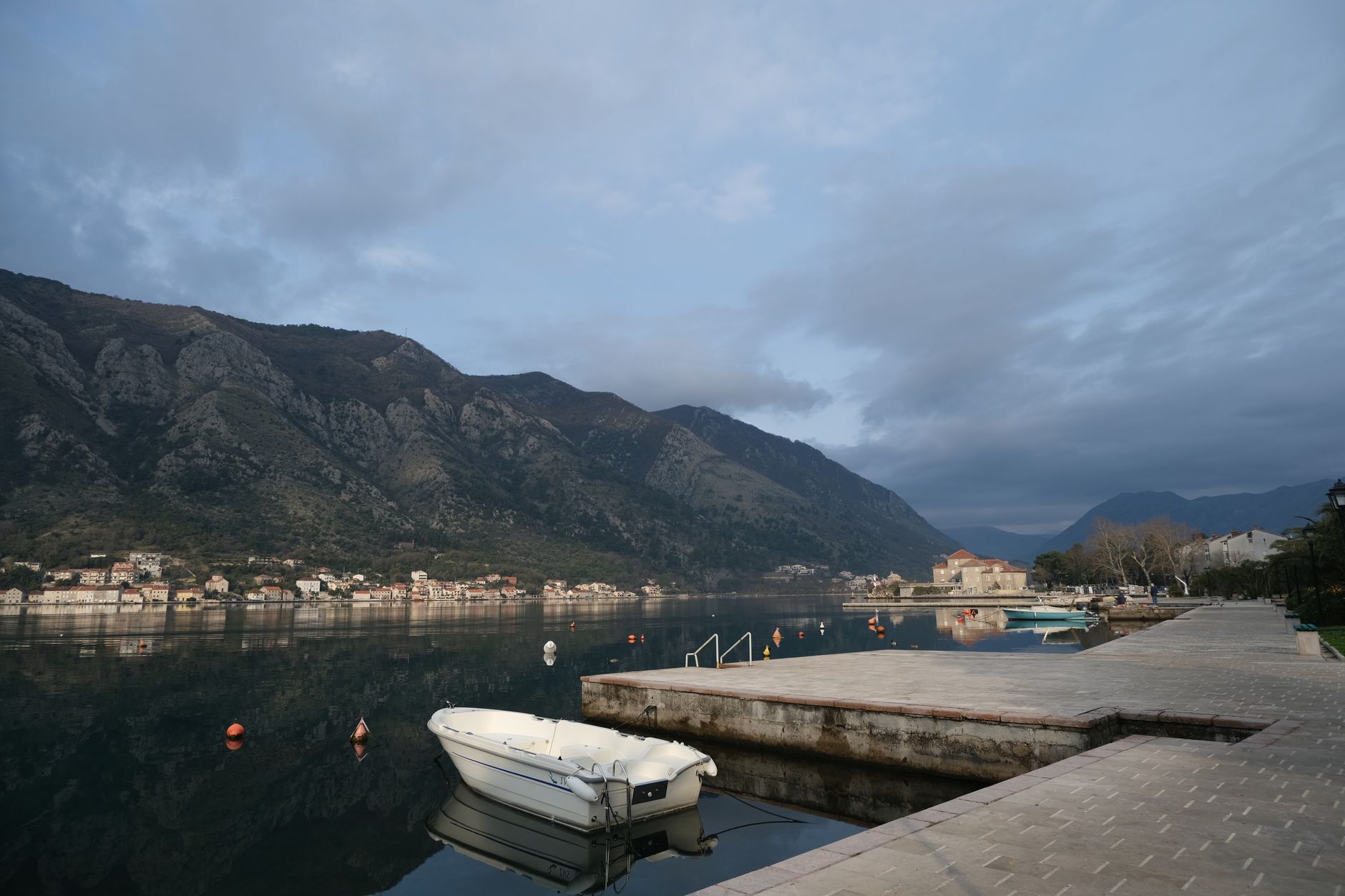
Kotor’s walled old town is genuinely beautiful, and it will take you about ninety minutes to see all of it. The medieval lanes are narrow enough that two people with rolling suitcases cannot pass each other, the Church of Saint Tryphon is worth the entrance fee, and the cat population is, by any measure, excessive. But the town is also small enough that most visitors have lapped it twice by noon on day one and are quietly wondering what to do with the rest of their trip.
The answer is the bay.
Boka Kotorska - the Bay of Kotor - is sometimes called Europe’s southernmost fjord, though that classification is geologically contested. What isn’t contested is the scale of it: roughly 87 square kilometres of enclosed water surrounded by karst mountains that drop almost vertically into the sea. The bay is divided into two inner sections, and the further you get from Kotor town itself, the less company you’ll have.
The Towns Most People Skip
Perast sits about twelve kilometres north of Kotor by road and is reachable by local bus or taxi. It has a single main street, two baroque palaces that have been converted into museums, and boats that row tourists out to Our Lady of the Rocks - a church built on an artificial island in the middle of the bay. The island itself was constructed over centuries by locals who dropped stones and old ships into the water on a specific feast day each year. That tradition, called fašinada, still happens on 22 July.
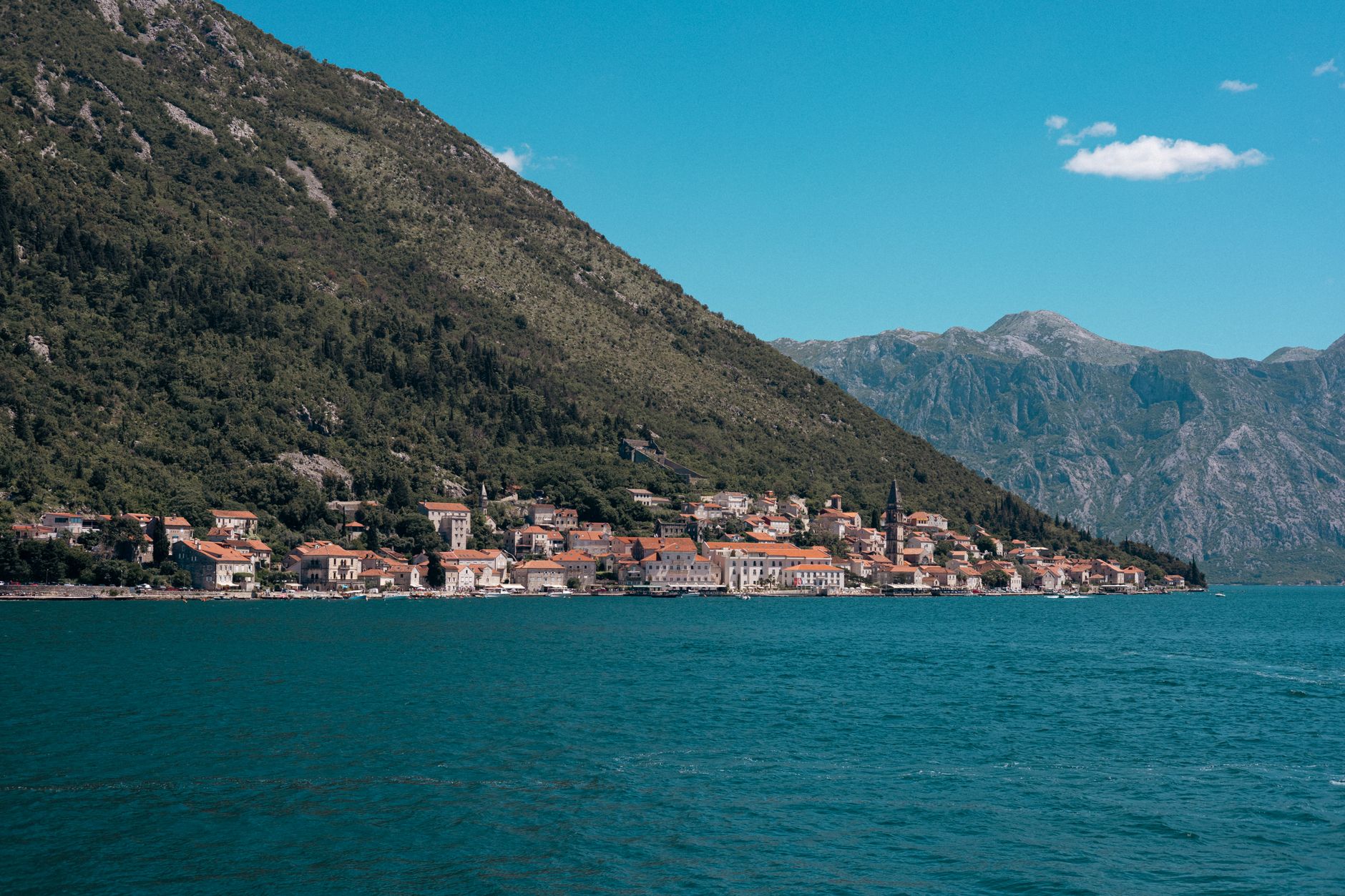
Perast takes maybe three hours at a comfortable pace. That’s the right amount of time for it.
Risan, slightly further along, rarely appears in travel recommendations. It has Roman-era mosaics - actual second-century floor mosaics - inside a small archaeological site that charges a nominal entry fee and is almost never crowded. The mosaics depict Hypnos, the god of sleep, and they are in remarkably good condition.
Getting Around the Bay
The local bus network connects the main towns along the western shore, with services running reasonably often during summer. A taxi from Kotor to Perast runs around €15–20 depending on negotiation. The car ferry that crosses the mouth of the bay between Lepetane and Kamenari cuts driving time significantly if you’re looping the whole bay - the crossing takes a few minutes and runs continuously during daylight hours.
None of this requires a tour. The bay is straightforward to navigate independently, and most of what makes it worth seeing is the kind of thing that disappears the moment a guide starts narrating it.