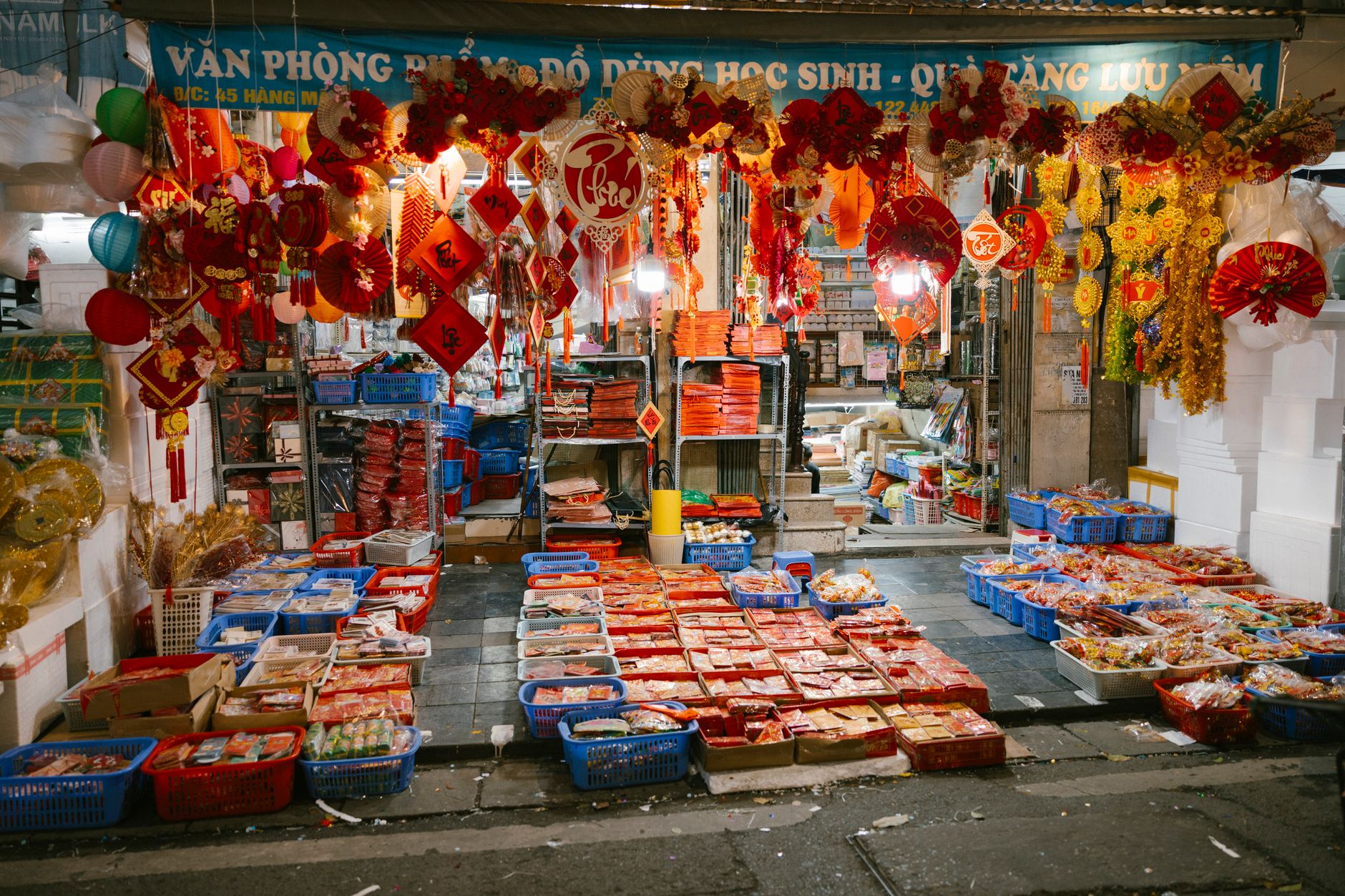
Most travellers to Hanoi spend their first night regretting the Old Quarter and their last night wishing they’d stayed longer. The noise is real - motorbikes at midnight, metal shutters rolling up at six in the morning, the occasional karaoke bar bleeding through thin walls. None of this is exaggerated. It is also completely beside the point.
The Old Quarter is thirty-six streets, each historically named after the guild that once traded there: Hang Bac for silversmiths, Hang Gai for silk, Hang Ma for paper goods and ceremonial offerings. That structure still holds, loosely. The streets are narrow enough that two motorbikes passing each other require negotiation, and the pavements are treated as extensions of kitchens, repair shops, and living rooms. You are not observing daily life from a comfortable distance. You are in it, which is the only way Hanoi makes any sense.
Staying outside the Old Quarter - in the French Quarter hotels along Ly Thuong Kiet, say, or further out near West Lake - gives you quieter mornings and significantly wider streets. It also puts a taxi ride between you and the part of the city that actually moves. Hanoi’s geography is compact but not flat in the way it feels on a map. Each neighbourhood has its own rhythm, and the Old Quarter’s rhythm starts before dawn with bún bò broth coming to a simmer on street corners.
The practical reality of a thirty-six-street neighbourhood
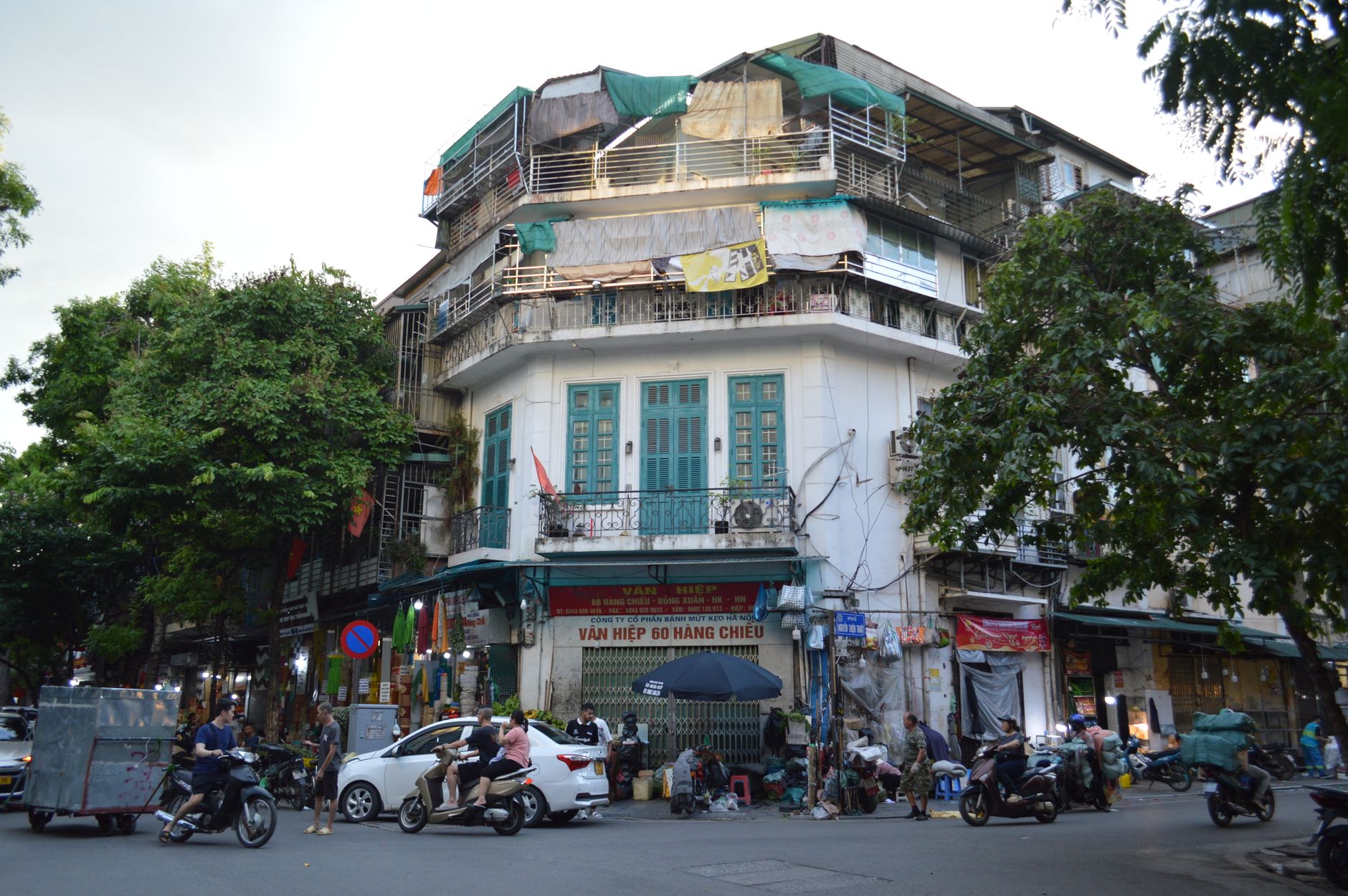
Hotels here are almost always narrow - the “tube house” shape is a result of historical taxes levied on street frontage, not an aesthetic choice. Four floors, three metres wide, a roof terrace if you’re lucky. Rooms on the lower floors get street noise; rooms near the top get heat. Floors two and three are the quiet consensus among people who stay there regularly.
Booking directly or through smaller local platforms sometimes surfaces guesthouses that don’t appear on the major aggregators. The Old Quarter has enough accommodation that rates stay competitive, and the difference between a mediocre room and a good one is rarely more than a few dollars per night.
What changes after forty-eight hours
The noise stops registering as disruption and starts functioning as orientation. The motorbike density on Hang Dao tells you it’s peak afternoon. Silence on Hang Buom after ten means the street food has shut down and you missed it.
Hanoi doesn’t ease you in. The Old Quarter is the fastest way to stop being confused by it.