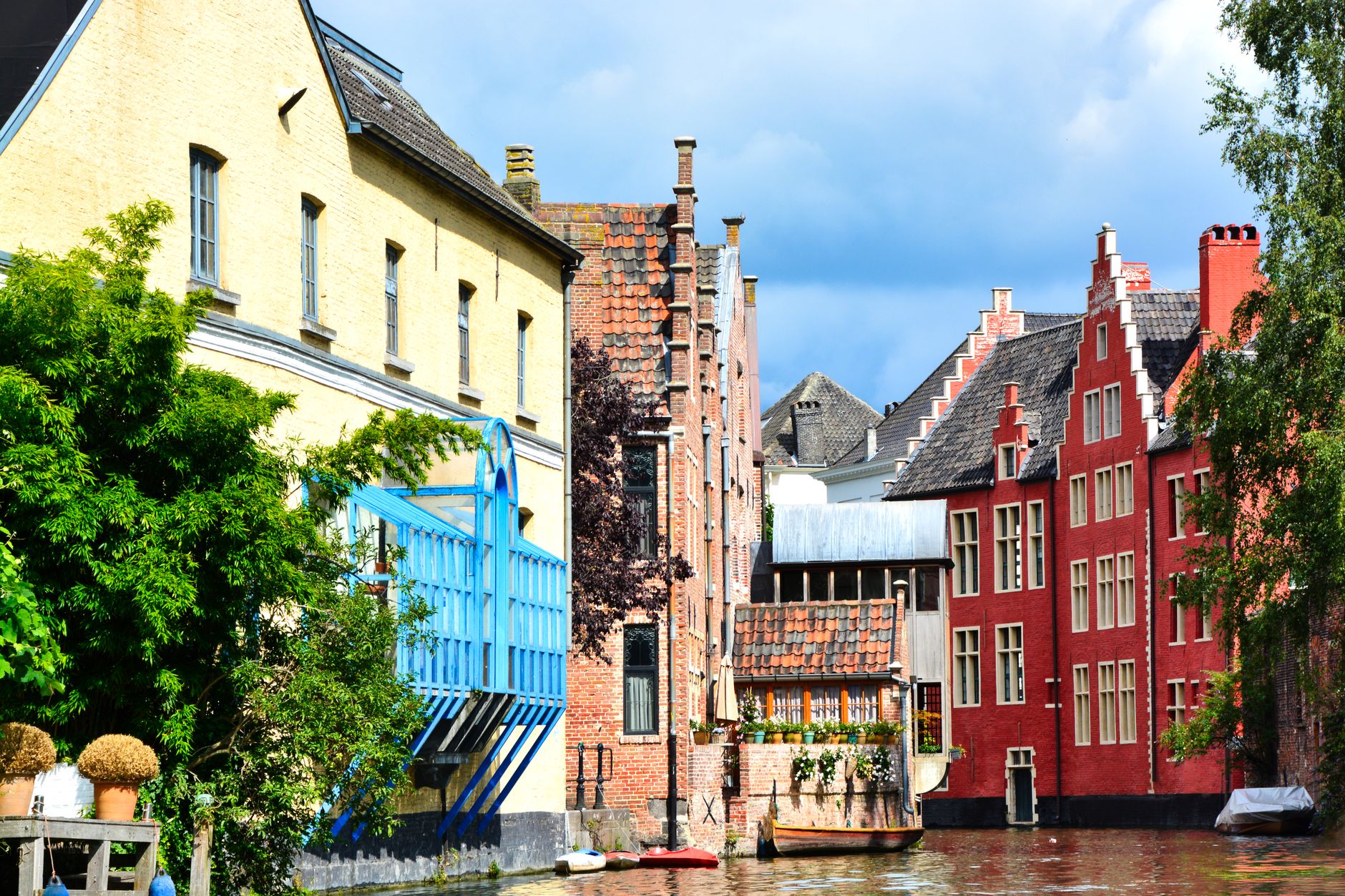
Bruges is one of the most photographed cities in Europe, and that is precisely why it has stopped being a place to visit and become a place to witness other people visiting. The canal shots are real. The chocolate shops are real. The crowds in July are also real - cruise passengers arriving before 9am, selfie sticks at the Rozenhoedkaai, restaurants that have learned to charge for the view rather than the food.
Ghent, forty minutes away by train, has essentially the same bones. Medieval guild houses along a dark canal, a castle that was in active use well into the modern era, a cloth hall that once made this city richer than most European capitals. The architecture is not a copy of Bruges - it predates it in several respects. Ghent was the larger, more powerful city for much of the medieval period. It’s where Charles V was born, where textile wealth concentrated before it shifted.
What Ghent has that Bruges doesn’t is a university. Ghent University enrols tens of thousands of students, which means the city has to function for people who live in it year-round. The bars stay open late because locals use them. The food market on Friday and Saturday at Vrijdagmarkt isn’t curated for tourism - it’s where people buy vegetables. The coffee shops in the Patershol neighbourhood aren’t performing a version of Belgian charm; they’re just cafés.
The Gravensteen Doesn’t Need a Queue
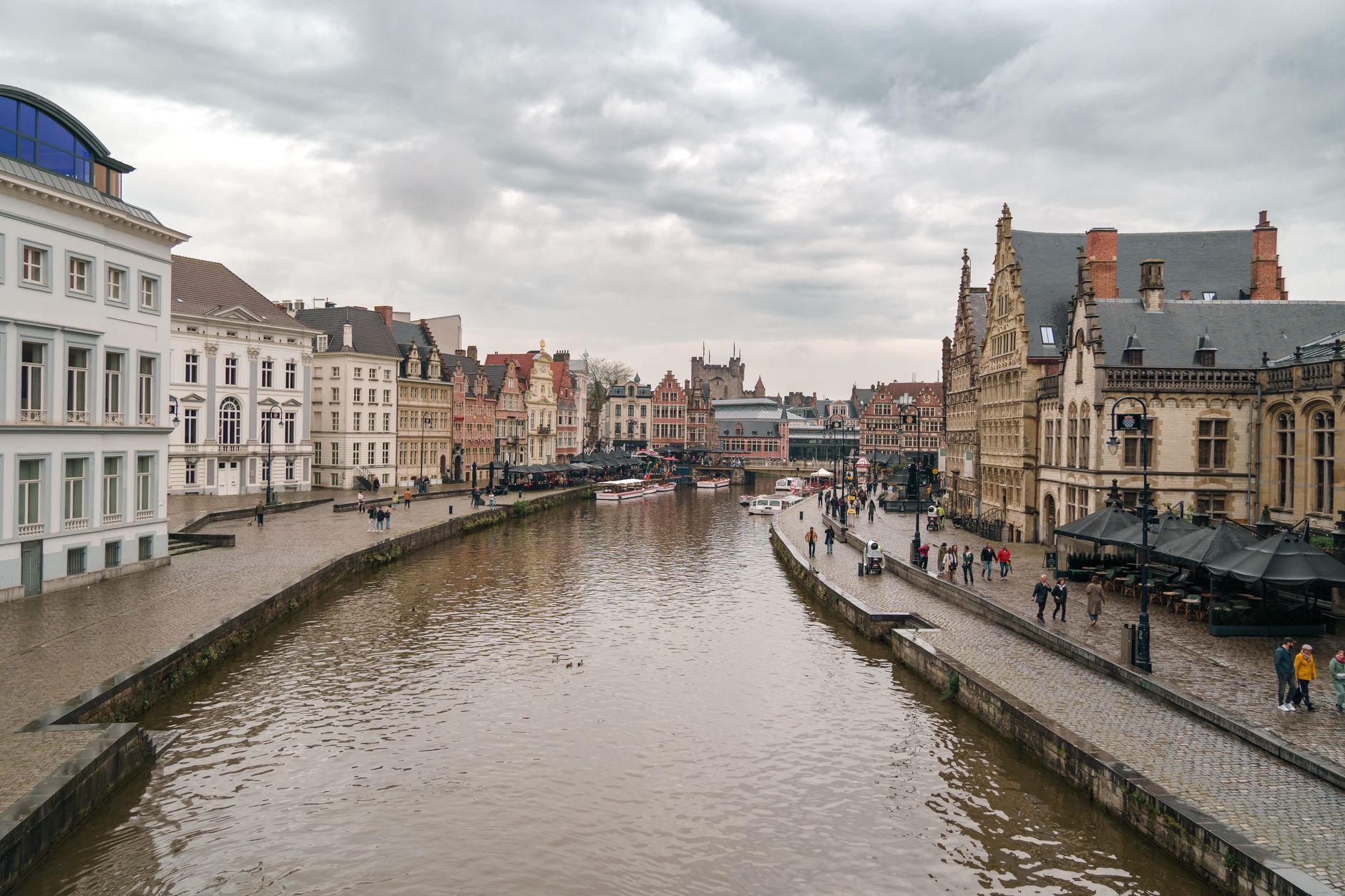
Ghent’s castle - the Gravensteen, built in 1180 - sits in the middle of the city and on most days you can walk in without planning much in advance. The same cannot be said for Bruges’ comparable sites on a summer weekend.
The Ghent Altarpiece, the Van Eyck painting in St Bavo’s Cathedral, does require a timed ticket. Book that ahead. It’s one of the most significant paintings in Europe and the dedicated display space means you can actually look at it properly, which is not a given with major works.
Getting There
Trains from Brussels run every thirty minutes and take roughly thirty minutes. From Brussels Airport, you can reach Ghent directly without going into Brussels city centre first. If you’re already in Bruges, the train between the two cities is short enough that a day trip works - though an overnight stay is a better argument for the city than a rushed afternoon.
Ghent has no real off-season logic to game. It’s quieter than Bruges in almost every month of the year.