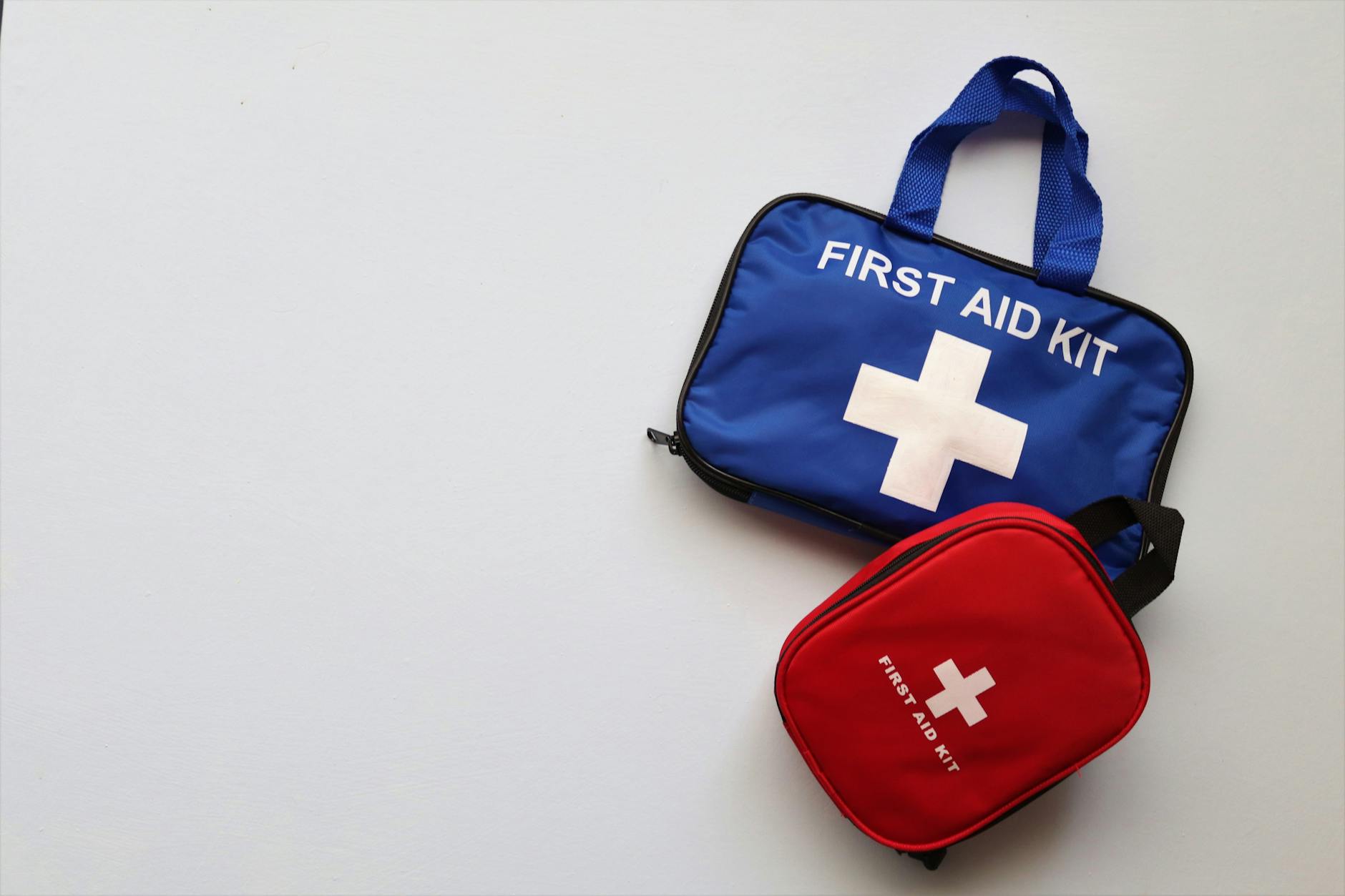
When an earthquake or typhoon strikes the Philippines, power, internet, and clean water can all be lost within minutes. For travelers staying longer than a month - or remote workers based in the country - having a prepared emergency kit is a practical necessity.
This guide covers what to pack, how to organize a Go Bag, and specific gear considerations for digital nomads who need to stay connected during disruptions.
Why an Emergency Kit Matters in the Philippines
A well-stocked kit helps you:
- Keep working without electricity
- Protect and back up important files
- Stay in contact with family
- Maintain food and water supplies
- Handle minor injuries with basic first aid
Whether you’re in an Airbnb or a long-term rental, a ready-to-go bag makes evacuation faster and less stressful during typhoons or earthquakes.
What Should Be in Your Go Bag
A Go Bag contains everything needed to sustain yourself for at least 72 hours after a disaster. Agencies including the NDRRMC and the Philippine Red Cross recommend every household prepare one. Store it near the door for quick access.
Core Go Bag items:
- Copies of important documents
- Ready-to-eat food
- Drinking water
- First aid supplies
- Extra clothing
- Power bank
- Flashlight
- Blanket
- Cash
Emergency Kit Checklist
Water and Food
- Drinking water (around 9 liters for 3 days)
- Ready-to-eat food: instant noodles, oatmeal, canned goods
- Snacks: crackers, energy bars, nuts
- Can opener
First Aid and Health
- Basic first aid kit with bandages and gauze
- Antiseptic wipes or alcohol
- Medical tape and small scissors
- Pain relievers and fever medicine
- Allergy medicine (if applicable)
- Prescription medications
Lighting and Power
- Portable power bank or solar charger
- LED flashlight
- Headlamp for hands-free use
- Rechargeable lantern
- Extra batteries
- Portable internet device (for remote workers)
Keep supplies current by checking expiration dates on food and medicine periodically, and recharge power banks before typhoon season.
Source: Emergency Kit Checklist for Travelers in the Philippines