In most of Western Europe, eating cheaply means eating badly. Andalusia is the exception that hasn’t been closed yet.
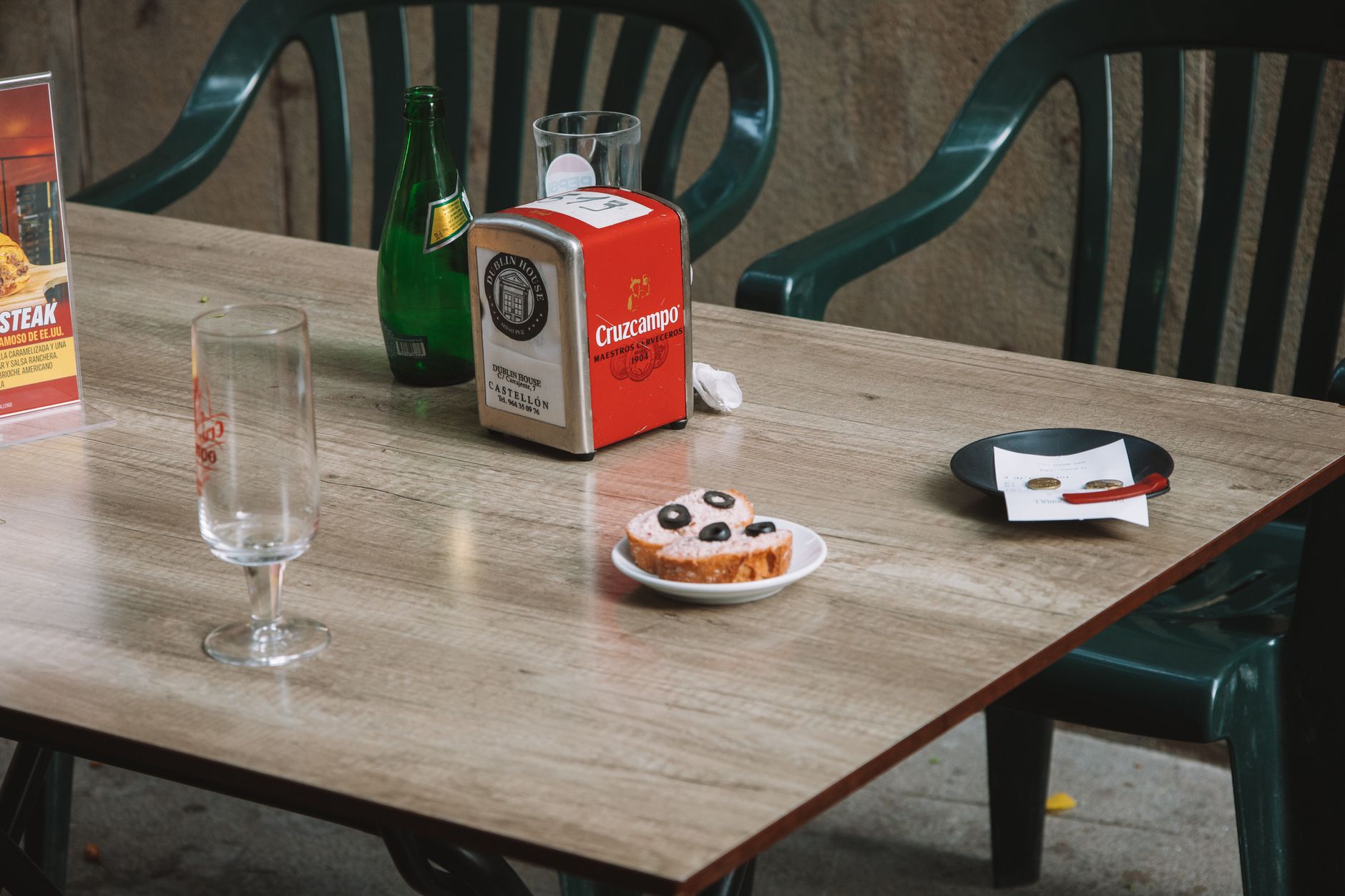
The mechanic behind it is the free tapa. In Granada, it still exists as a genuine institution: order a beer or a glass of wine at a bar - typically €2 to €2.50 - and a small plate of food arrives with it. Not a bowl of crisps. Actual food: a slice of tortilla, a few fried anchovies, a small stew. Order three rounds across an evening and you’ve had dinner for under €8. This is not a tourist gimmick. It’s how locals eat on weeknights.
Granada is the city where the free tapa culture is most intact. Seville and Málaga have largely moved away from it, or reserve it for lower-traffic bars far from the centre. If budget eating is a priority, Granada earns its place on the itinerary for this reason alone.
The bar stool rule
Pricing in Spanish restaurants is often split between bar seating and table seating, and the difference is significant. Standing at the bar or sitting on a bar stool can cost 20–30% less than the same order at a table - particularly for breakfast and lunch. A café con leche and a tostada con tomate eaten standing at the counter in Seville will run around €2.50. Seated at a terrace table near the cathedral, the same breakfast is closer to €5 or €6, and that’s before the service charge lands.
Menu del día is the other tool. Most Spanish restaurants offer a fixed lunch menu on weekdays - typically two courses, bread, a drink, and sometimes dessert - for between €10 and €14. This is the main meal of the day for most working Spaniards, which means the quality tends to be solid. It disappears on weekends in tourist areas, so planning around weekday lunches matters.
What €20 actually covers
A realistic day in Granada or Jaén: bar breakfast for €2.50, a menu del día lunch for €11, and a two-drink tapa crawl in the evening for €5–6. That’s food handled. Water from public fountains in Andalusian cities is generally safe to drink, which cuts another small cost that accumulates fast in summer heat.
The cities that reward this approach most - Granada, Jaén, Almería - are also the ones that see a fraction of the crowds that Seville and Córdoba absorb. That’s not a coincidence. The economics of tourism haven’t fully repriced them yet.