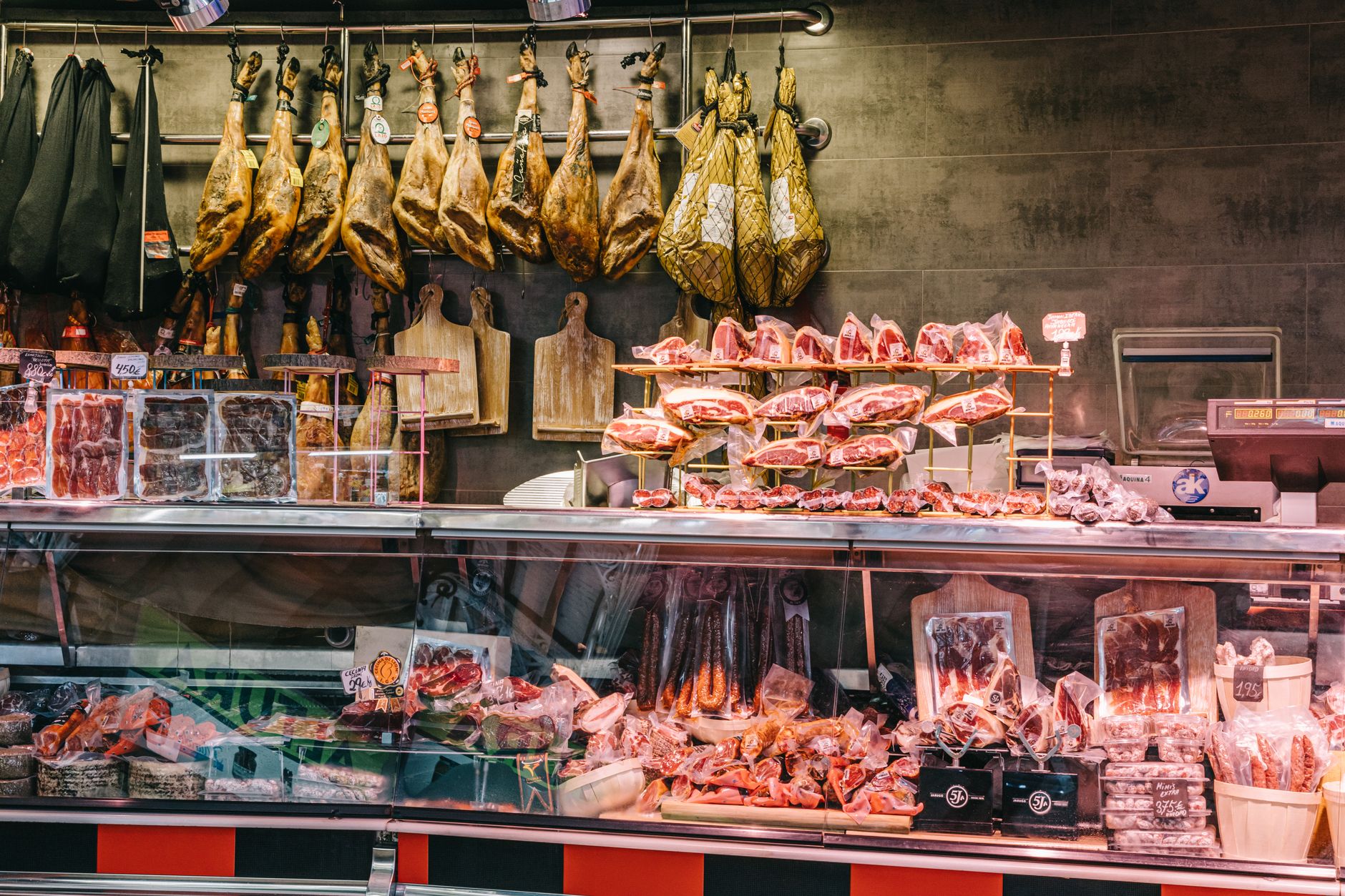
The €20-a-day food budget sounds punishing until you understand that Southern Europe has an entire parallel food system built for people who actually live there - and it runs on completely different hours, different venues, and a different logic than the tourist circuit.
The Lunch Menu Is Doing Most of the Work
In Spain, the menú del día is legally structured in some regions and culturally embedded everywhere. For somewhere between €10 and €14 - occasionally less outside major cities - you get a starter, a main, dessert or coffee, bread, and a drink. This is not a budget option dressed up to look good. It’s often the same kitchen producing the same food that costs twice as much à la carte at dinner. The same principle exists in Italy as the menù fisso or pranzo fisso, and in Greece as the set lunch at tavernas that don’t bother putting English translations on their boards.
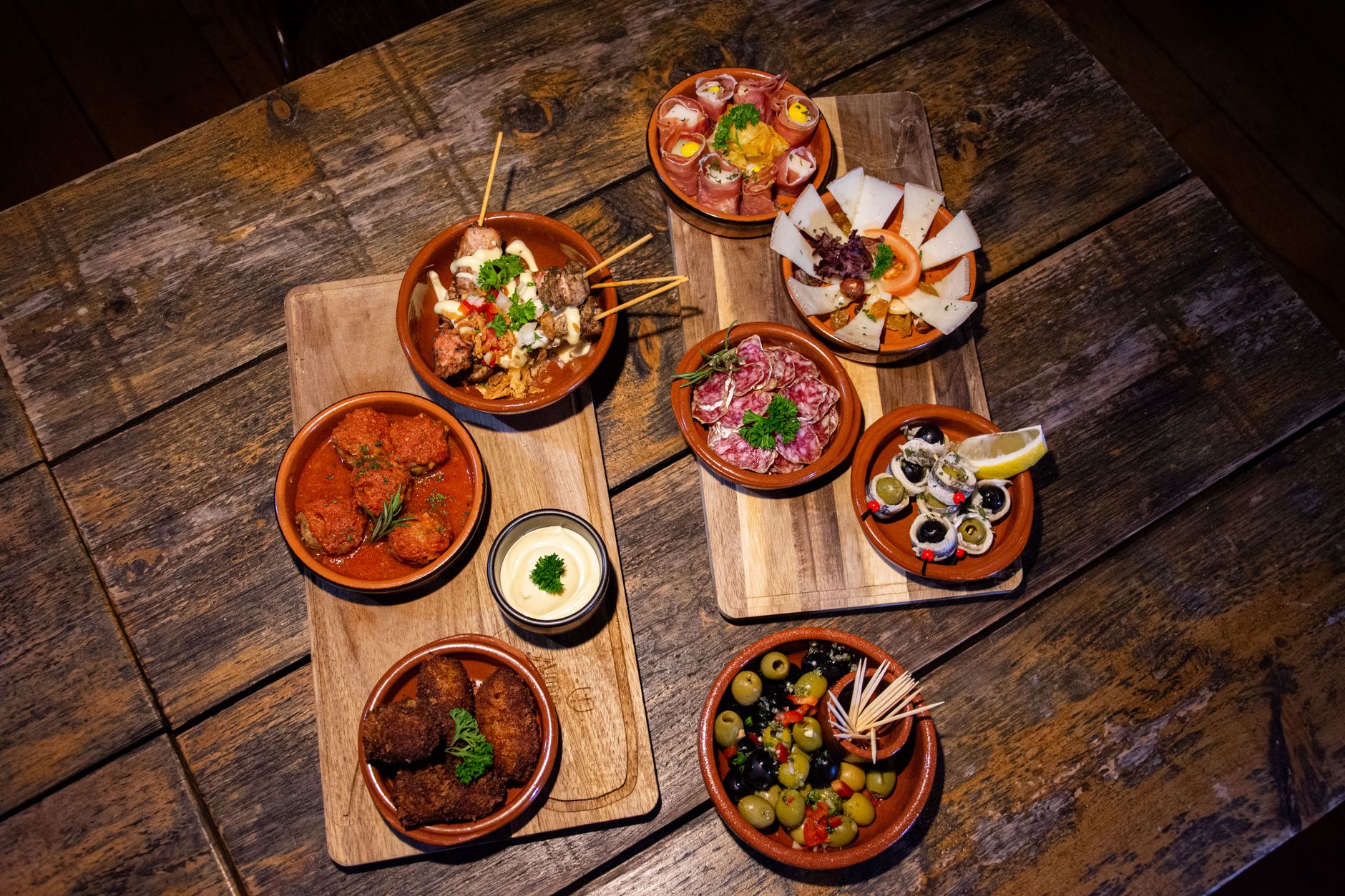
The practical rule: eat your largest meal at lunch, eat simply at dinner. A plate of cured meats and cheese, some bread, and a glass of house wine at a standing bar in the evening costs almost nothing and is a better meal than most mid-range restaurant dinners.
Covered Markets Are Cheaper Than Supermarkets for Produce
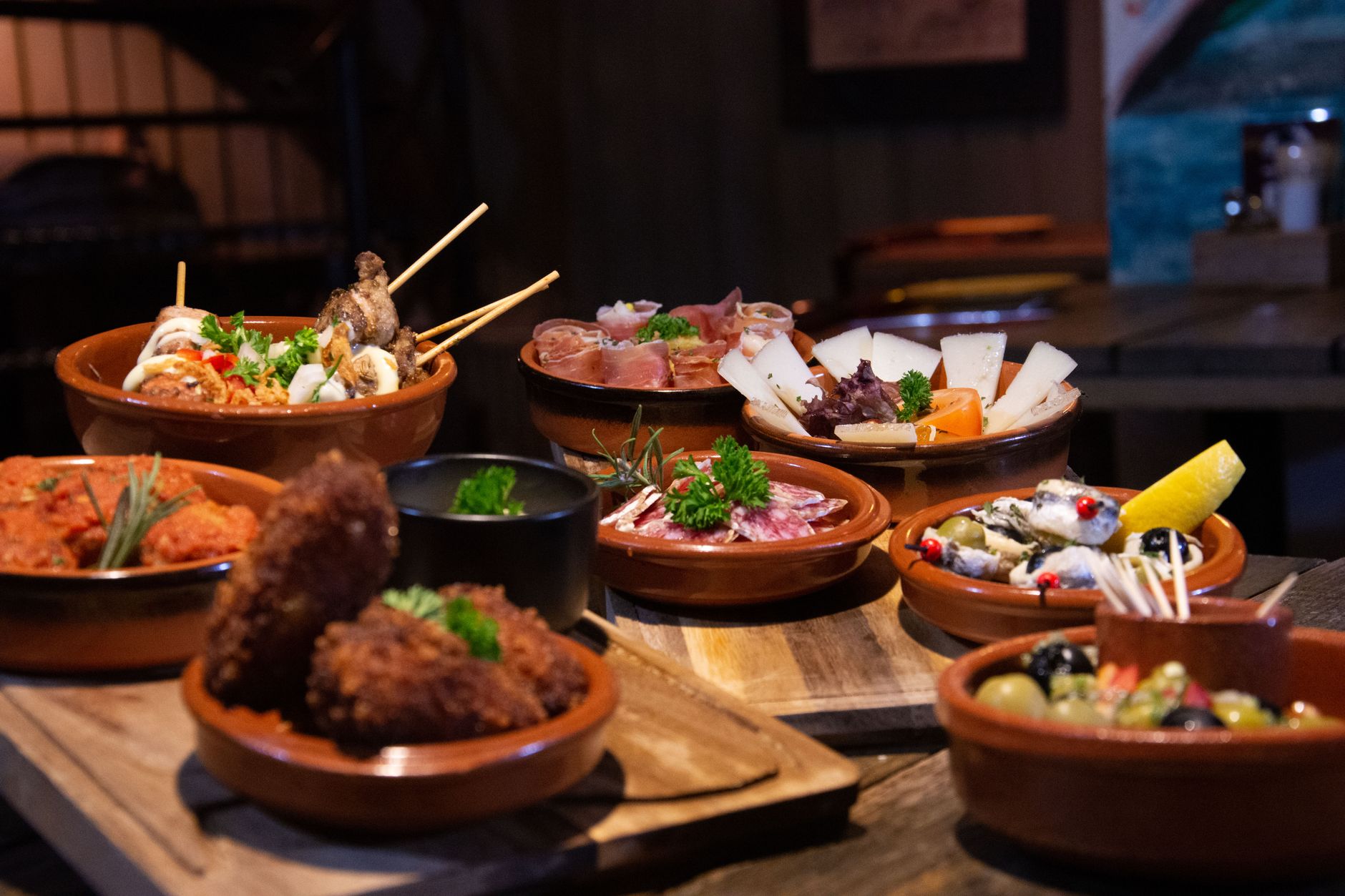
This surprises people. Barcelona’s Boqueria is a tourist trap, but the Mercat de l’Abaceria in Gràcia is not. Naples has the Porta Nolana fish market. Athens has the Varvakios Agora. In all of these places, buying fruit, olives, cheese, and bread for a picnic lunch runs to a few euros - and the quality is dramatically better than anything in a supermarket. The key is going before noon on a weekday.
Standing Bars Deserve More Credit
In Spain especially, the bar counter culture actively rewards you for not sitting down. Prices are legally required to be posted, and the counter price is consistently lower than the table price - sometimes by 30 to 40 percent. Ordering a coffee and a tostada at the bar at 9am costs around €2.50 in most Spanish cities. Sitting down at a terrace table in the same bar can push that to €5 or €6.
Italy works similarly. An espresso at the bar in Rome is around €1. Sit down and it doubles.
The One Trap Worth Naming
Tourist menus near major sights - the ones in six languages with photographs - are almost always worse value and worse food than anything a block or two away. The photographs are the tell. No restaurant feeding locals needs photographs of the food.
What’s less obvious is that the substitute isn’t always obvious either. Sometimes the good lunch spot is a bakery with four tables. Sometimes it’s a butcher that started cooking what it sells. The gap between knowing the system and knowing the specific place is where most of the real savings - and the better meals - actually live.