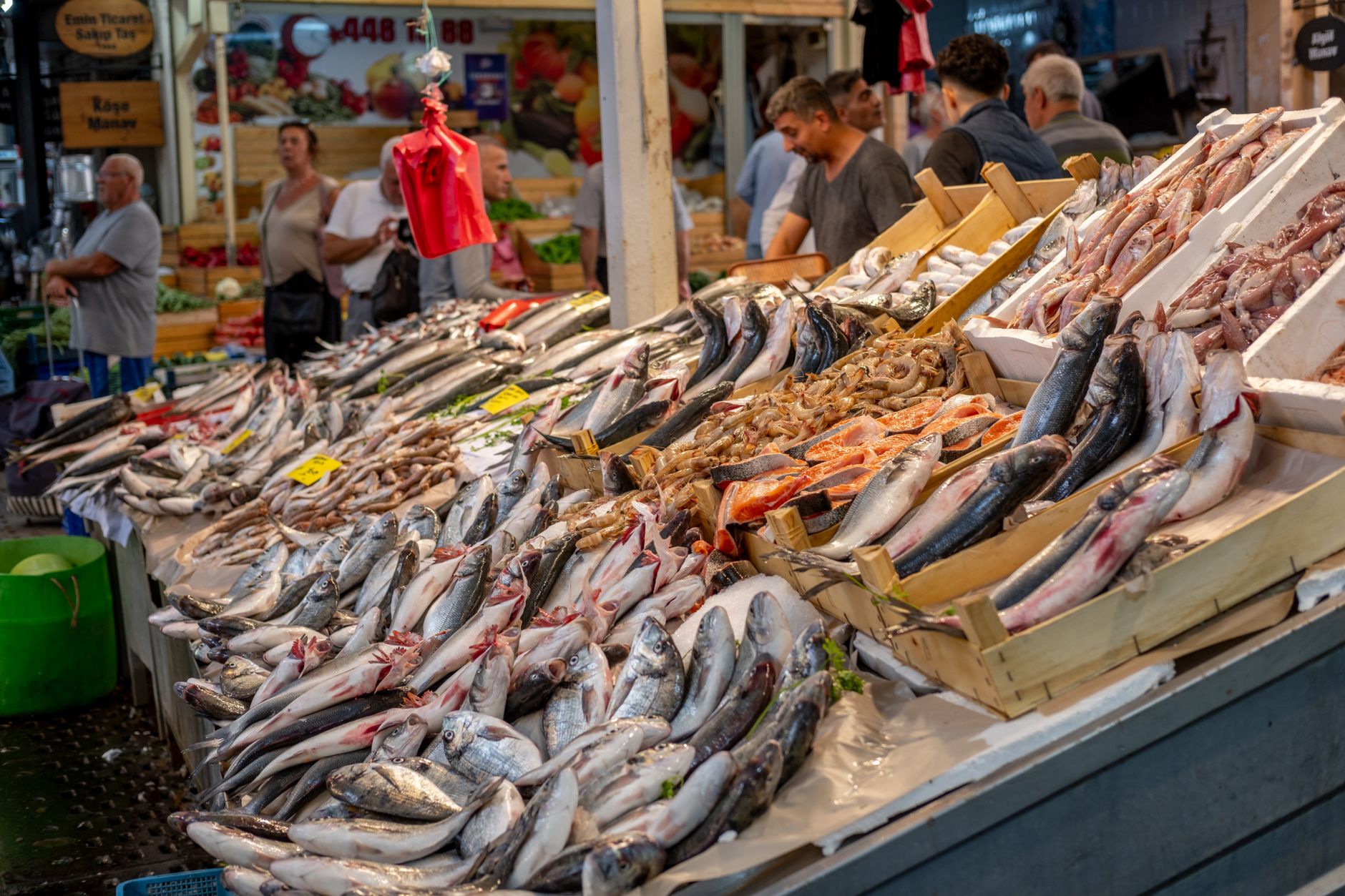
The mistake most budget travellers make in Southern Europe is still eating in restaurants for every meal. Even the cheap ones - the backstreet trattorias, the menú del día spots - add up fast when you’re hitting them three times a day. The real saving isn’t skipping meals or eating badly. It’s shifting where you buy food entirely.
Mercats, mercados, mercati. Every mid-sized city in Spain, Italy, Greece, and Portugal has a covered municipal market, and most of them are staggeringly good. The Mercado de Abastos in Santiago de Compostela, the Mercato di Porta Palazzo in Turin, the central market in Chania - these aren’t tourist attractions dressed up as food halls. They’re working markets where locals buy produce, charcuterie, cheese, olives, and bread at prices that make supermarkets look expensive.
A lunch assembled from a market stall - a wedge of aged manchego, a fistful of cured meat, some bread, a handful of olives, maybe a nectarine - costs between €3 and €6 in most of these cities. It’s not a compromise. In many cases it’s a better meal than what you’d get in a sit-down place at three times the price.
The one actual trick
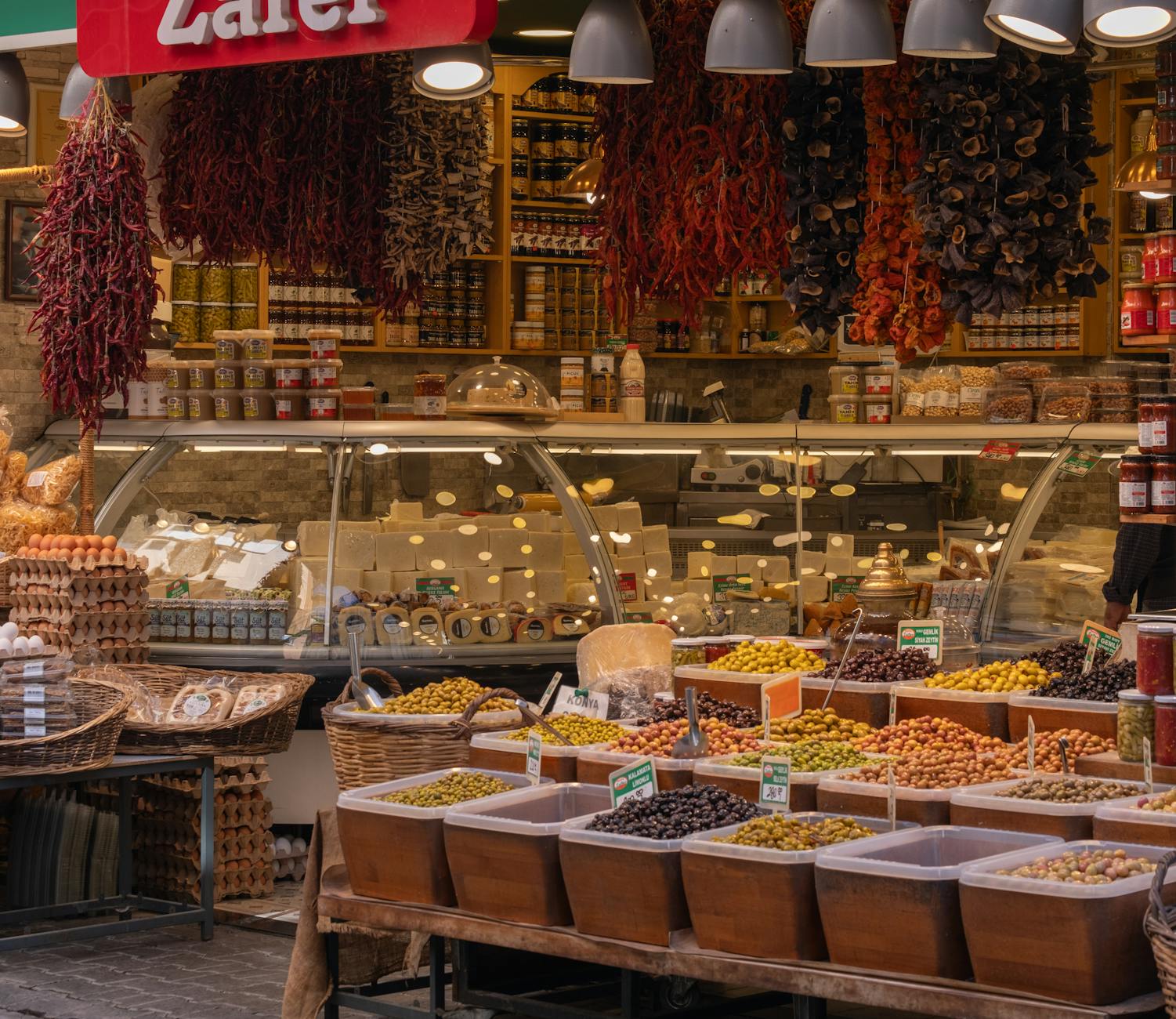
Go just before closing. Municipal markets in Southern Europe typically close between noon and 1 p.m. In the last thirty minutes, vendors discount fresh produce aggressively rather than pack it out. Strawberries, tomatoes, cut fruit - often half price. This is not a hack you read about in a listicle. It’s just what happens at markets.
What this looks like in practice
Spend roughly €5–7 on market food for lunch. Find a bench, a fountain, a park - Southern European cities are built for sitting outside. For dinner, use that saved money on one proper sit-down meal, ideally at lunch price if the restaurant offers it (many still do a two-course set lunch into early afternoon). Breakfast is a coffee and a pastry at a bar, standing up, the way everyone else does it - usually under €2.
That structure - market lunch, one real dinner, bar breakfast - keeps daily food costs around €12 to €18 without eating badly or spending your trip calculating euros per bite.
The food in these markets is often local in a way that restaurant menus no longer are. You’re buying what’s in season in that specific region, from people who grew or made it. That’s not a consolation prize for travelling cheap. It’s frequently the point.