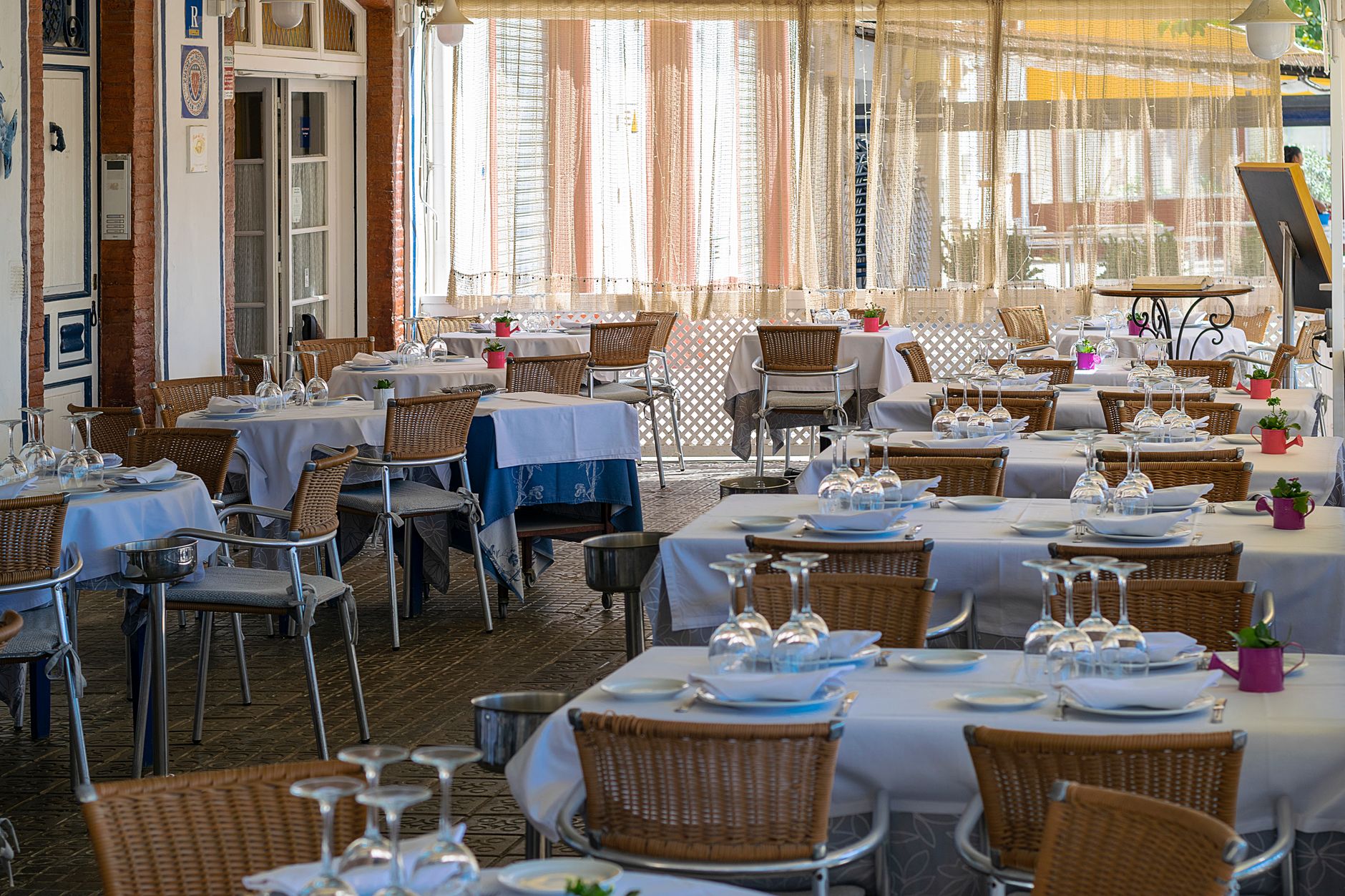
Portugal is already one of western Europe’s cheaper destinations, but most visitors still overspend on food because they eat on the wrong schedule. The country runs on a midday meal culture that has no real equivalent further north, and tapping into it cuts your daily food budget roughly in half without sacrificing quality.
Almost every sit-down restaurant in Portugal - not just the tourist-facing ones - offers a prato do dia or menu do dia at lunch. This is typically a fixed-price meal that includes soup, a main course, bread, a drink (often wine or beer), and sometimes dessert or coffee. In smaller cities like Évora, Coimbra, or Braga, this runs between €8 and €12. In Lisbon and Porto it edges slightly higher, but rarely past €14 even in well-regarded neighbourhood spots.
The food is not a stripped-down version of the dinner menu. It’s usually what the kitchen is actually cooking that day - bacalhau com natas, cozido à portuguesa, grilled dourada, whatever came in fresh or fits the season. The same dish ordered à la carte at dinner would cost twice as much and feel less honestly prepared.
The Timing Matters More Than the Location
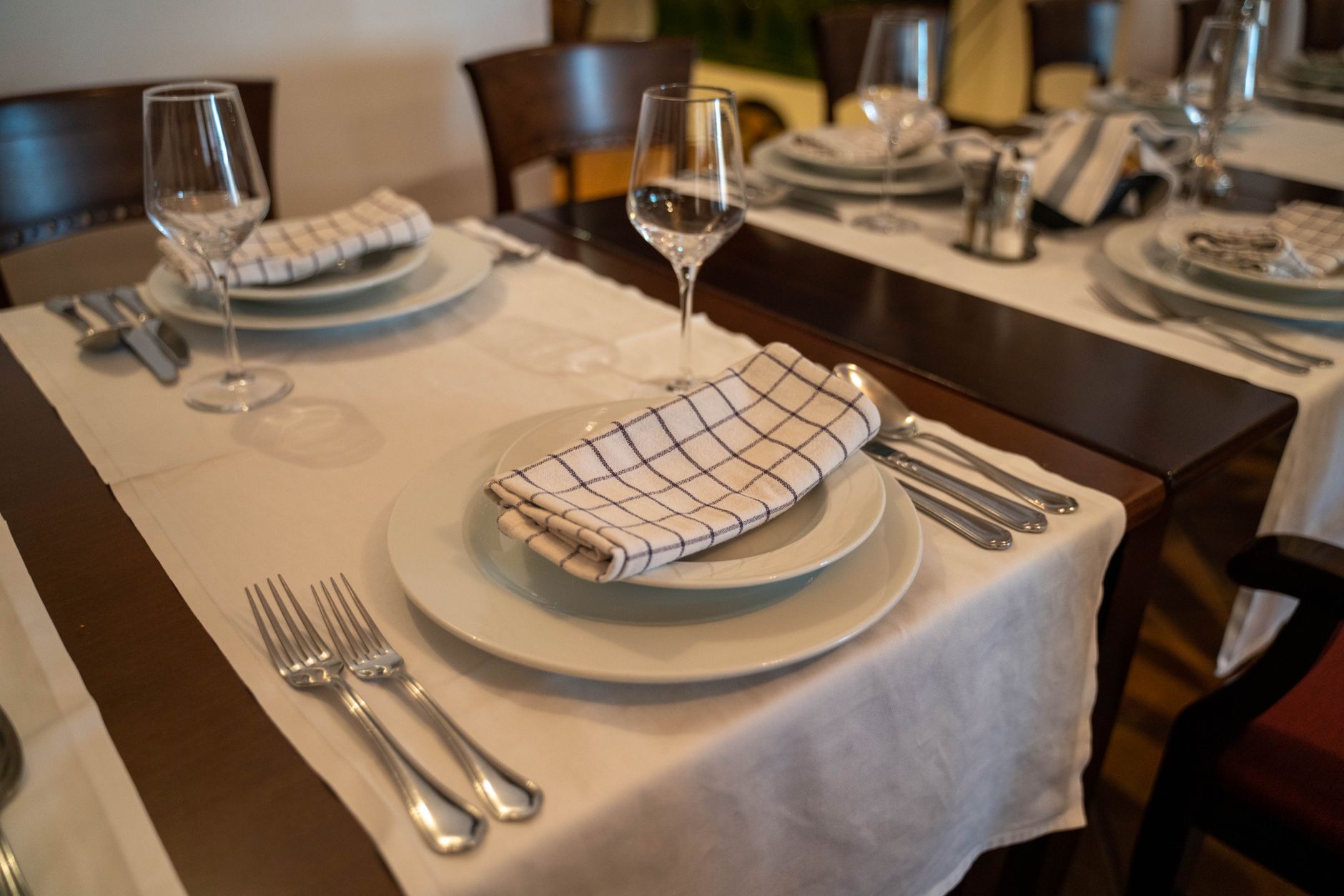
These menus are a lunch-only offering, typically served from noon to around 3pm. Arrive after 2pm and the kitchen may have run out of the day’s option. Arrive at noon on a weekday and you’ll be eating alongside construction workers, office staff, and retirees - which is exactly the right sign.
Dinner is where the budget breaks. Restaurant prices shift upward in the evening, portions sometimes shrink, and the menu pivots toward dishes that carry a higher margin. The practical solution is to make lunch your main meal and keep dinner light - a pastel de nata and an imperial at a café, or cheese and bread from a supermarket.
What to Look For
The menu is often handwritten on a chalkboard outside or just recited by the server. If you don’t see it advertised, it doesn’t hurt to ask - tem menu do dia? works fine even with no further Portuguese. Restaurants that cater primarily to locals almost always have one. Places with laminated menus in four languages and photographs of the food almost never do.
This isn’t about suffering through bad meals to save money. The prato do dia is frequently the best thing on offer. It’s just that most visitors never find it because they’re not hungry at noon, or they’re still moving between sights. Restructuring the day around a proper Portuguese lunch - sitting down, taking the time - is both the cheapest and most rewarding way to eat in the country.