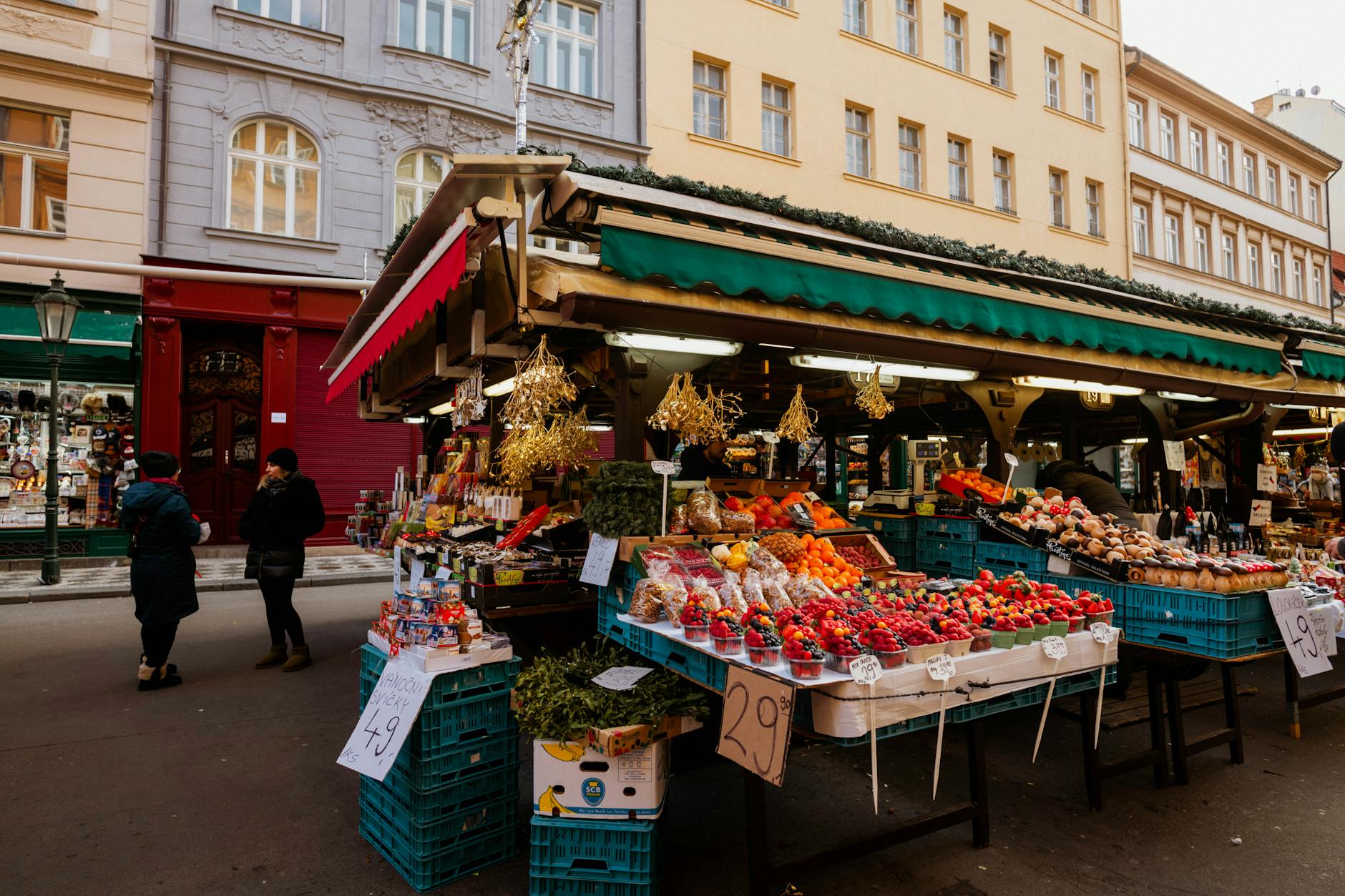
The most reliable way to eat well in Europe on a tight budget isn’t cooking in a hostel kitchen or hunting down the cheapest set menu on a side street. It’s building your midday meal around a covered municipal market - specifically, the prepared food stalls and rotisserie counters that exist inside nearly every one of them.
Most travellers walk through these markets, buy a wedge of cheese, take a photo of the olives, and leave. They miss the actual point: the cooked food section. In Barcelona’s Mercat de Sant Josep (La Boqueria), in Bologna’s Mercato di Mezzo, in Lyon’s Les Halles Paul Bocuse, and in dozens of smaller cities, there are stalls selling hot food - roast chicken, stuffed vegetables, braised legumes, regional pasta - at prices aimed at workers and retirees, not tourists.
A full plate of something genuinely good in these places typically runs between €4 and €8. That’s not the stripped-down, sad-salad kind of cheap. That’s roast pork with lentils in a Florentine mercato centrale, or fried bacalà in Porto’s Mercado do Bolhão, eaten standing at a counter next to people who eat there three times a week.
Why the Market Works Better Than the Set Lunch
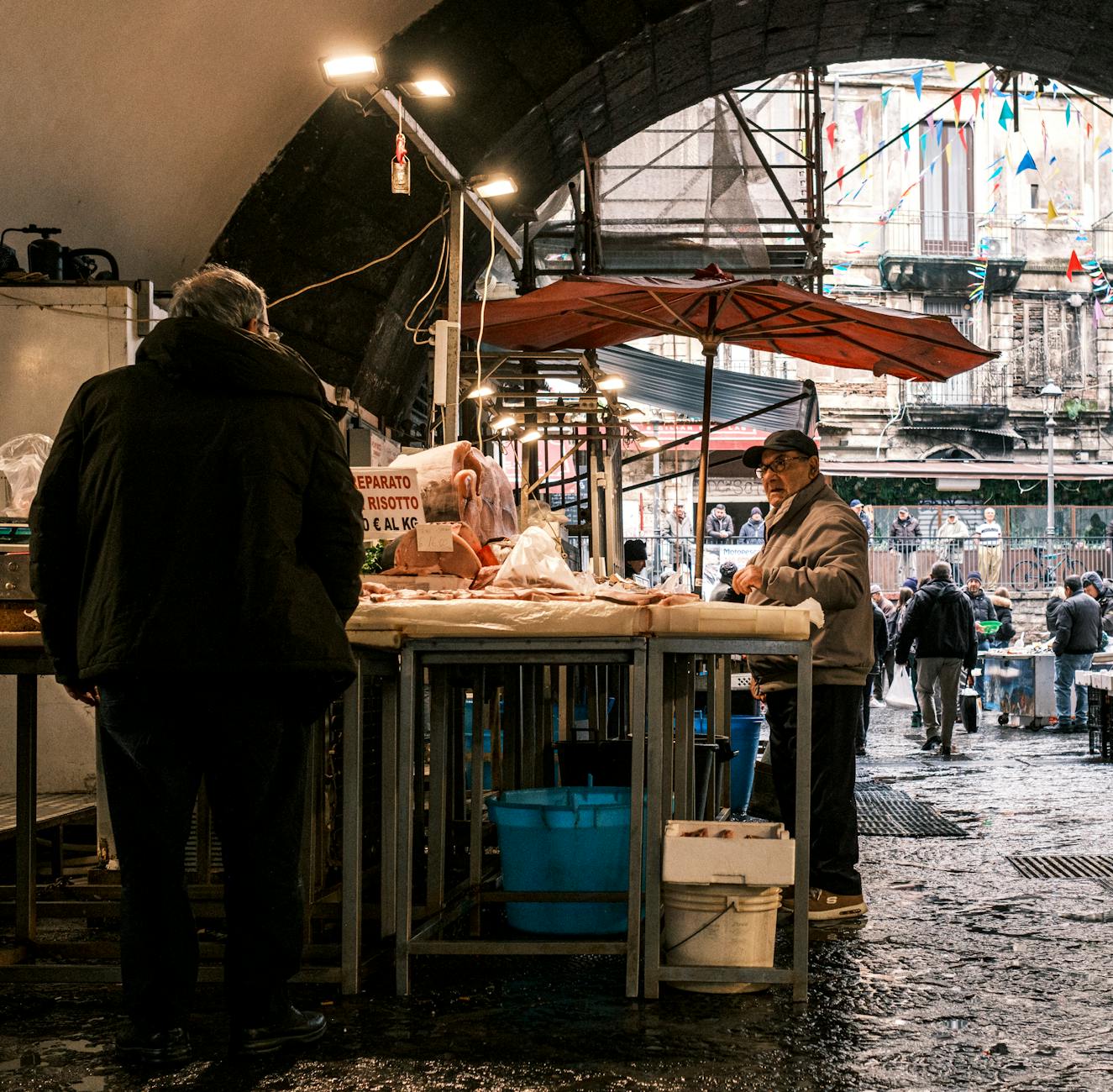
The €10–12 menú del día that budget travel guides push is real value in Spain, but it commits you to a sit-down meal at a specific time, usually noon to 2pm, with wine you may not want and bread that pads the bill. The market counter has no such structure. You point, they plate it, you eat when you want. There’s no pressure to order more, no awkward wait for a bill.
Beyond the price, market food tends to be more regionally specific than the average tourist-district restaurant. The people running the stalls aren’t adapting a recipe for outside tastes - they’re cooking what sells to regulars.
What to Look For
Not every market stall is a deal. The ones near the entrance of famous markets - particularly La Boqueria - have drifted badly toward tourist pricing and pre-packaged fruit cups. Walk to the back. Look for handwritten price signs, a queue of older locals, and a lack of English on the board.
Covered markets in secondary cities are almost universally better value than those in capitals. Catania, Nîmes, Trieste, Gent - all have working markets where a hot lunch feels less like a travel hack and more like how you’d actually want to eat every day.