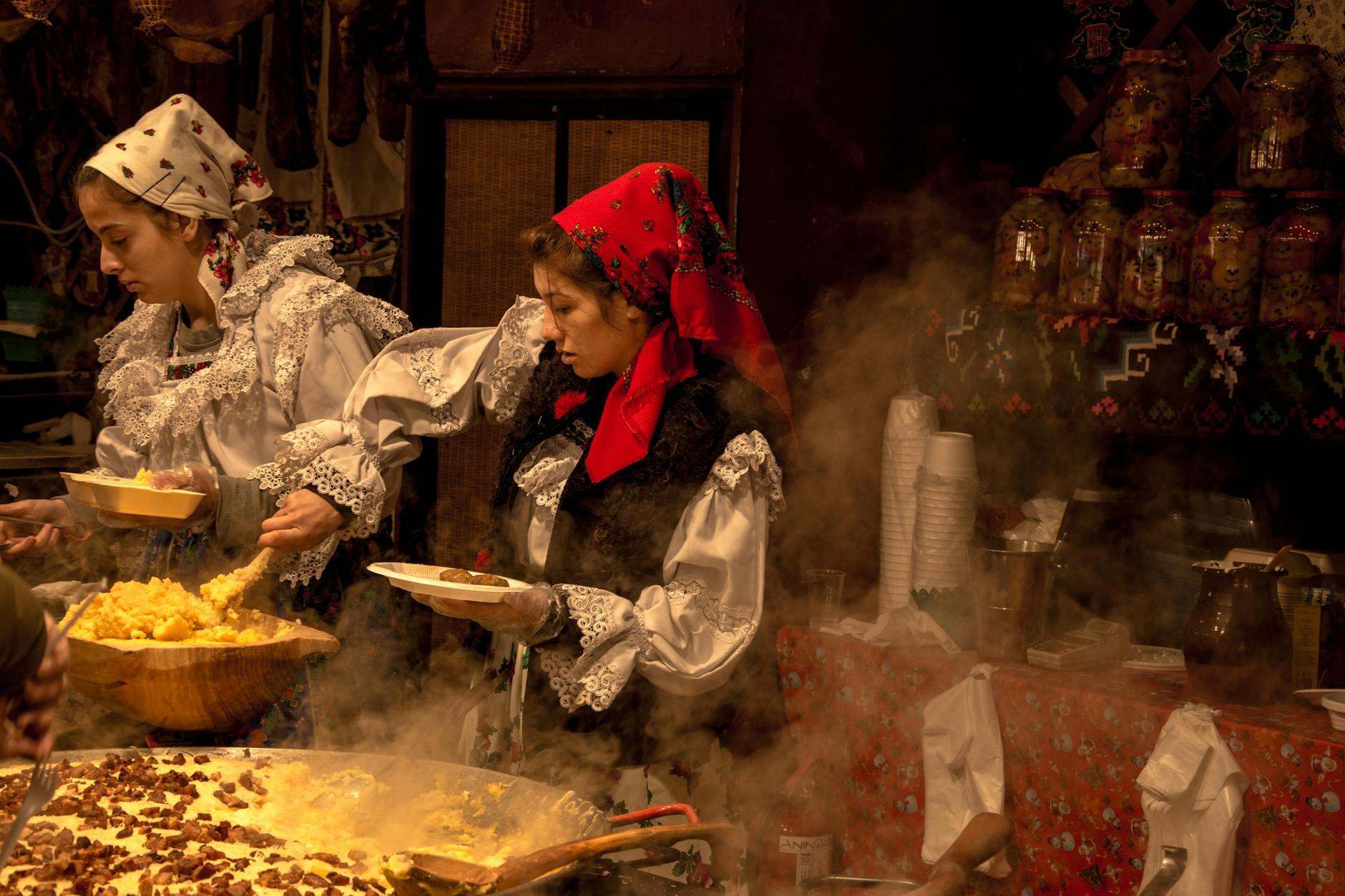
The budget travel advice about Eastern Europe usually stops at ‘it’s cheap.’ That’s true, but it misses the more useful point: the price hierarchy in countries like Poland, Hungary, and the Czech Republic is almost inverted compared to Western Europe. The humblest-looking option - the milk bar, the market stall, the lunch canteen - frequently outperforms the restaurant with the English menu and the laminated photos.
The Milk Bar Logic
Poland’s bary mleczne, or milk bars, are state-subsidised cafeterias that survived the communist era and never quite went away. You collect a tray, point at things, pay at a till, and eat surrounded by retirees and office workers. A full plate of pierogi with soup and a glass of kompot rarely costs more than the equivalent of €4. The food is not a compromise - it’s simply the way Poles eat at lunch. Warsaw’s Bar Mleczny Pod Barbakanem near the Old Town is one of the better-known ones, but almost any city of moderate size will have at least one.
Budapest runs a similar system through its étkezde - small neighbourhood lunch spots that operate on a fixed daily menu and cater almost entirely to locals. You won’t find them on most tourist maps. You find them by walking a block or two away from wherever tourists are concentrated and looking for handwritten signs in Hungarian.
What You’re Actually Trading
The trade-off here is not quality. It’s comfort in ambiguity. You may not speak Polish or Hungarian. The menu may not be translated. The ordering process may require gesturing. None of this is a real obstacle - staff in these places have seen confused foreigners before - but it does require being willing to not fully understand what’s happening for about three minutes.
That low threshold stops a surprising number of people, which is why the tourist-facing restaurants nearby stay busy despite charging three times as much for food that is, at best, equivalent.
The Market Hall Calculation
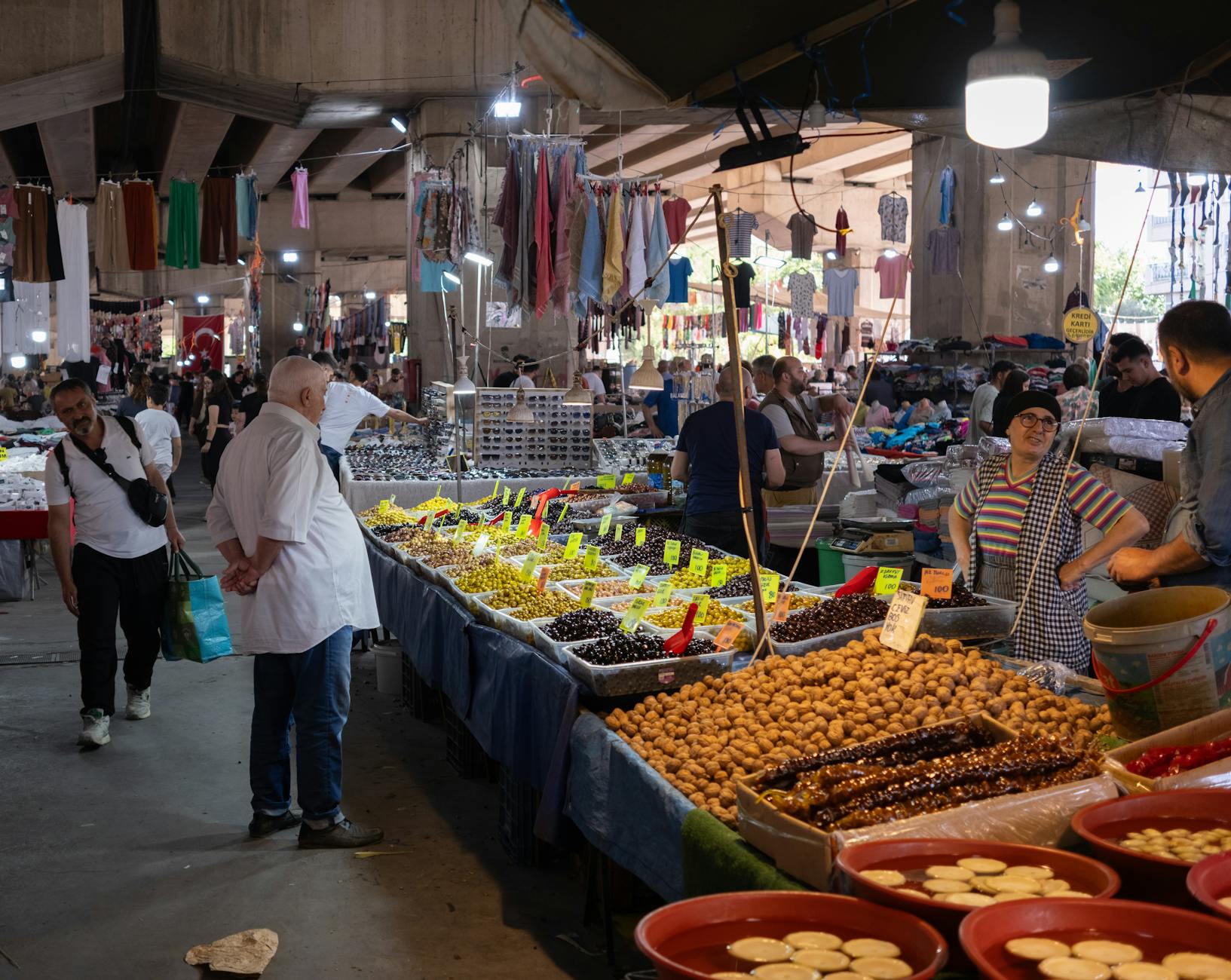
Covered market halls in Budapest (the Great Market Hall on Fővám tér) and Kraków (the Stary Kleparz market, not the Cloth Hall souvenir stalls) have food sections that double as legitimate cheap eating. The tourist floor of Budapest’s Great Market Hall has become expensive by local standards, but the ground-floor vendors selling fresh produce, bread, and prepared foods are still priced for people who shop there every week.
Spending a few hours in a market hall on arrival - not as an activity, but as actual provisioning - changes the economics of a trip more than almost any other single decision. Bread, cheese, cured meat, fruit: the arithmetic is obvious, but more importantly, the quality ceiling in Eastern European markets is genuinely high. Hungarian salami and Polish oscypek smoked cheese are not consolation prizes for travelling cheap. They’re worth seeking out regardless of budget.
Whether this approach works as well in the more tourist-dense Czech Republic is harder to say with confidence - Prague’s centre has been priced upward for years, and finding the genuinely local lunch spot now requires more legwork than it once did. Brno and Olomouc are easier, and arguably more interesting for it.