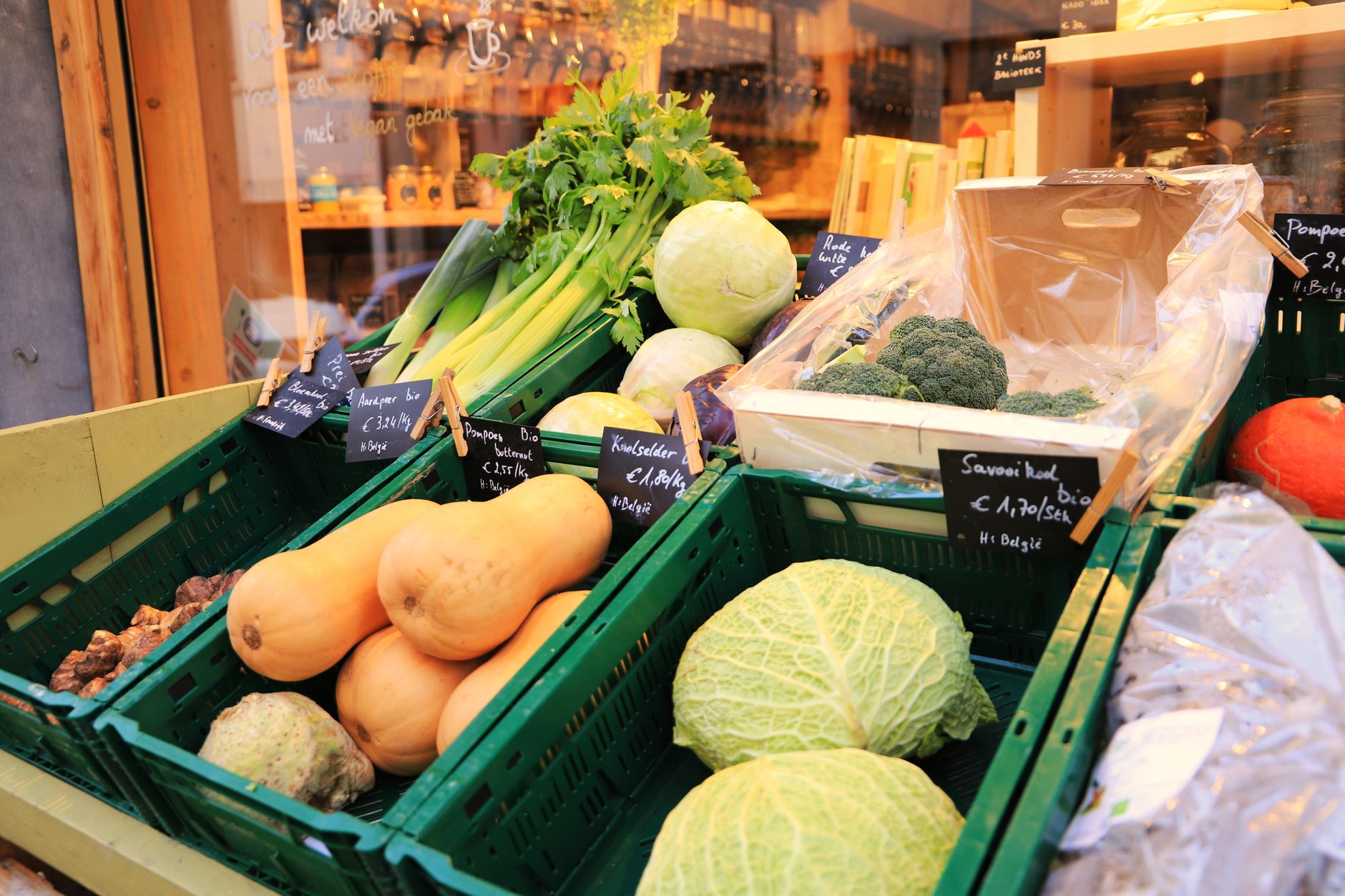
The assumption that eating cheaply means eating badly is one of the most persistent myths in travel. It gets repeated by people who’ve never stood at a counter in the Mercado de la Boqueria - or, better, the Mercat de Santa Caterina two streets away - eating a plate of grilled cuttlefish for €4.50 at 1pm on a Tuesday.
Covered markets in Southern Europe operate on a logic that restaurants can’t match: the vendors are selling today’s stock or losing it. That pressure produces fresher food at lower prices than almost anywhere with a printed menu. You’re not getting the backup tomatoes. You’re getting the ones that needed to go.
What This Actually Looks Like Day-to-Day
In Palermo, the Ballarò and Capo markets run every morning and overlap into lunch. A paper cone of fried chickpea fritters - panelle - costs around €2. A proper arancina, enough to replace a meal, runs €2–3. You eat standing up. It’s loud. It’s also one of the best things you’ll put in your mouth in Sicily, at any price point.
In Lisbon, the Mercado de Campo de Ourique has sit-down stalls with full plates - grilled fish, rice, salad - in the €8–11 range, which is roughly half the price of a comparable sit-down restaurant in Alfama once you factor in the tourist coefficient that’s now baked into most of that neighbourhood’s menus.
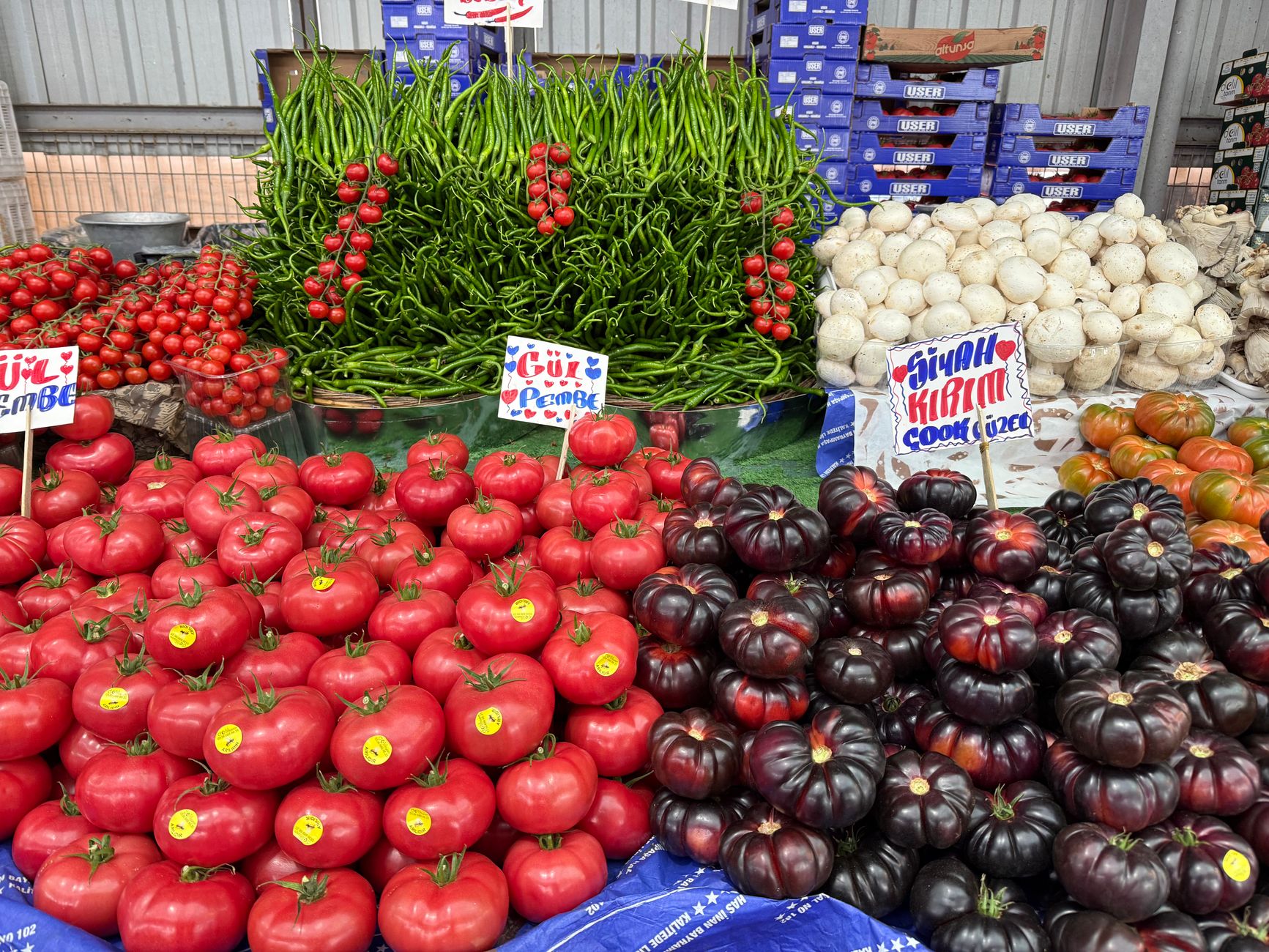
This isn’t about hunting for secret spots. These markets are known. They’re just less convenient than restaurants because they require you to walk around, make choices, sometimes queue, sometimes stand. That minor friction is what keeps the price down.
The One Genuine Trade-Off
Market eating is almost always lunch, rarely dinner. Most covered markets close by mid-afternoon. If you organise your day around eating your main hot meal at midday - which is how most of Southern Europe actually structures its food culture anyway - you’re aligned. If you’re committed to sitting down to a large dinner every night, the economics shift.
But lunch as the main meal has its own compounding effect: you eat less at dinner, you spend less at dinner, and you’re not rushing the middle of your day to make a 1pm restaurant reservation.
The travellers who eat worst on a budget are usually the ones trying to replicate a restaurant experience at restaurant hours without restaurant prices. The market asks you to adjust slightly. That adjustment is worth making.