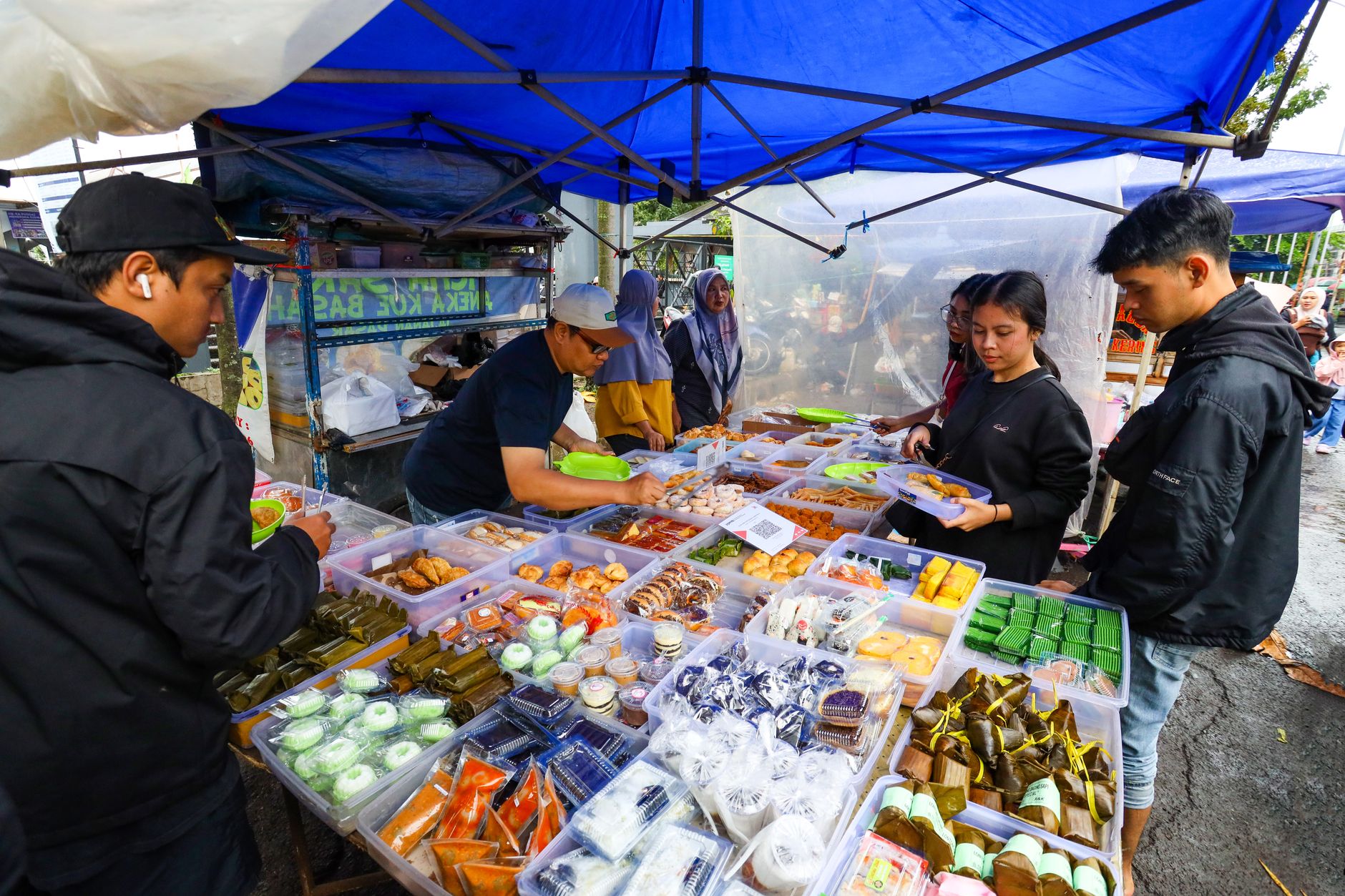
The biggest leak in most travel budgets isn’t the accommodation or the transport. It’s three sit-down meals a day in places designed to extract money from people who don’t know any better. A tourist-facing restaurant in Lisbon, Chiang Mai, or Bologna will comfortably run you €20–35 per person once you add a drink and a cover charge. Do that twice a day and you’ve spent €400 on food alone in a week - more than a lot of people spend on flights.
Covered municipal markets solve this without any sacrifice in quality. Usually the opposite.
The model works like this: vendors inside a permanent market hall operate on lower margins than restaurants, have almost no front-of-house costs, and cater primarily to working locals who eat there regularly. The food is fresh because turnover is high. The portions tend to be honest. And you eat standing at a counter or on a stool, which is exactly how the people who actually live there eat it.
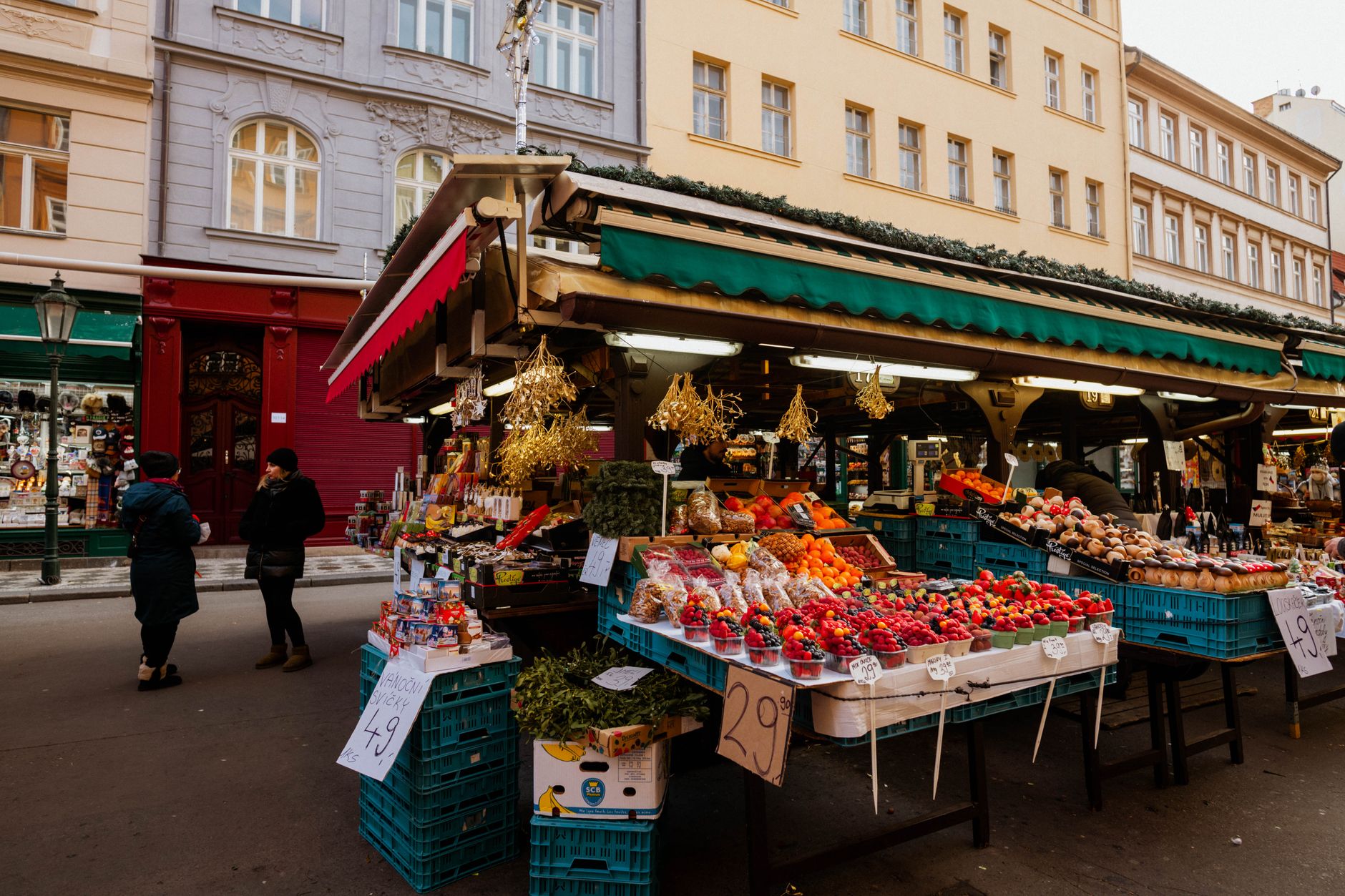
Mercado de San Telmo in Buenos Aires, Mercado Central in Santiago, Talat Rot Fai in Bangkok, Mercado do Bolhão in Porto - these aren’t Instagram detours. They’re functioning food infrastructure. A full lunch at a market stall in most of Southern Europe or Southeast Asia costs between a third and half of what a sit-down restaurant nearby would charge for the same category of food.
The approach does require a small adjustment. You need to show up at the right time - markets are built around local eating schedules, not tourist ones. In Spain, that means lunch between 1pm and 3pm, not noon. In Southeast Asia, the serious breakfast action is often done by 9am. Go outside those windows and you’ll get the dregs or find half the stalls shuttered.
It also helps to walk the full market before committing. Look at what’s busy. A stall with a queue of office workers on a Tuesday is not the same as a stall with a laminated photo menu and someone standing outside flagging down tourists.
This isn’t about deprivation. One proper sit-down dinner - somewhere you’ve actually chosen, not just fallen into out of hunger - costs more and means more when you’re not doing it by default three times a day. Markets fund that dinner. They’re not the compromise. They’re the strategy.