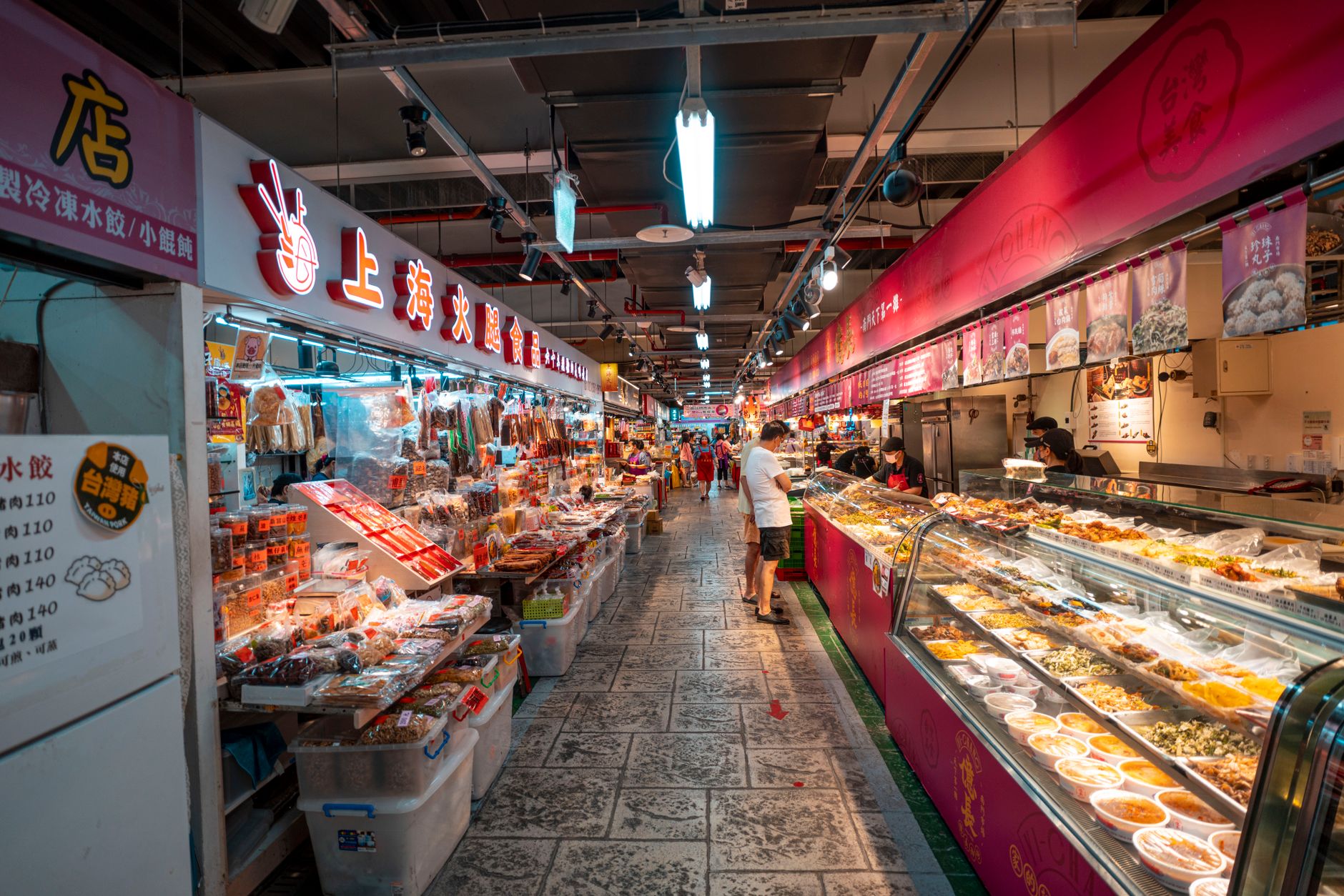
The restaurant markup on a simple lunch in most European tourist cities sits somewhere between uncomfortable and offensive. A bowl of soup, a piece of bread, a glass of water - twelve euros, minimum. Walk four streets to the municipal market and the same money buys a full cooked plate, a pastry, and an espresso, eaten standing at a counter next to people who work nearby and eat there every day.
This is not about finding hidden gems or doing your research. Municipal markets - the kind built to feed cities, not tourists - exist in almost every mid-sized European and Southeast Asian city, and they are almost never hard to find. They are just easy to walk past.
What You Actually Get
Most municipal markets have a cooked food section alongside the raw produce stalls. In Sarajevo’s Markale market, grilled meat plates come out of open kitchens for a few convertible marks. In Penang’s Chowrasta market, char kway teow gets made in front of you for less than two US dollars. Barcelona’s Boqueria has become too tourist-facing to be cheap, but the Mercat de l’Abaceria in Gràcia or the Mercat de Sarrià still function as actual neighbourhood markets with working lunch counters.
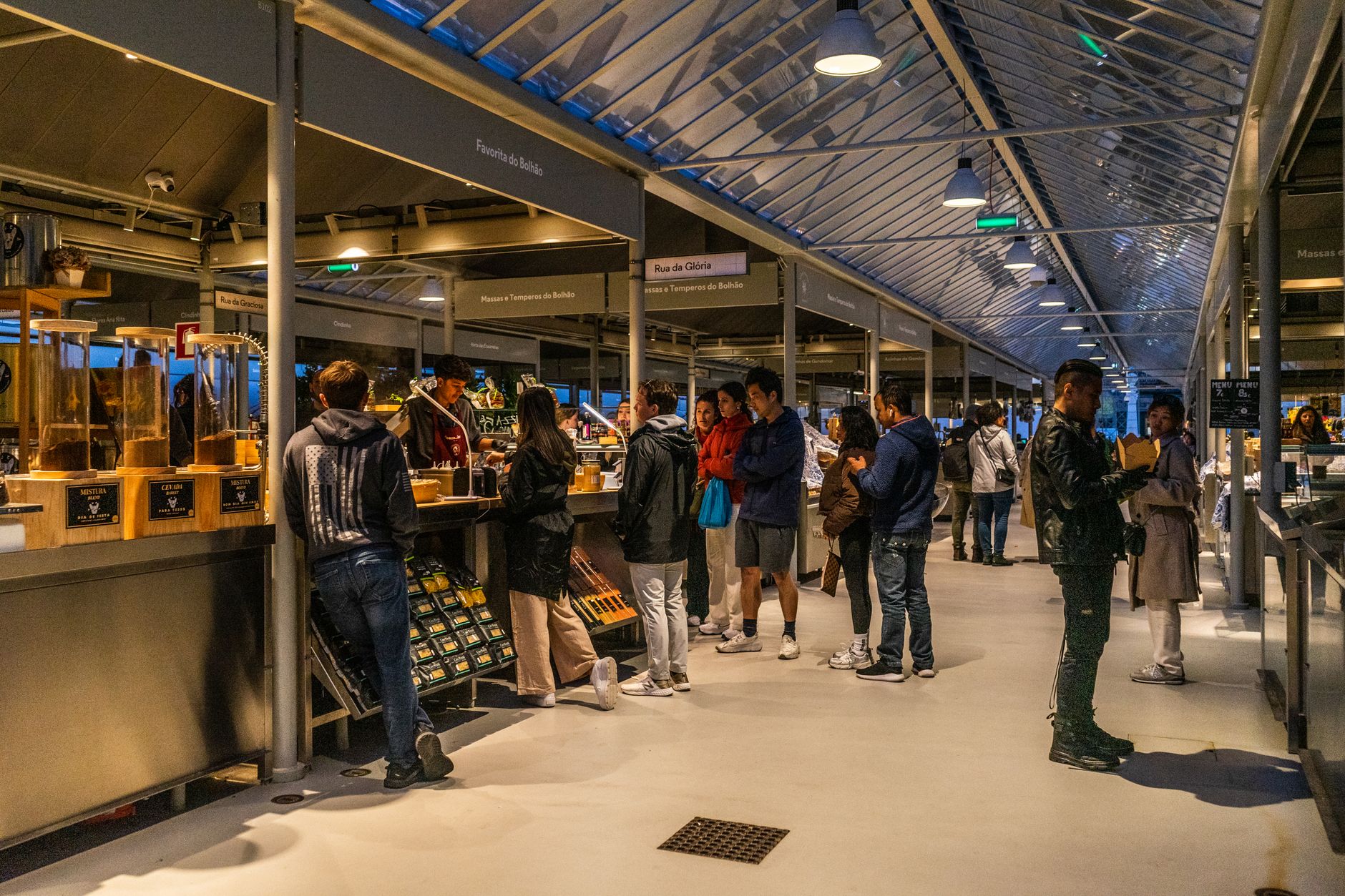
The food tends to be better, too - not because markets are inherently more authentic (a word that does a lot of dishonest work in travel writing), but because the customer base is local and returning. A bad plate loses regulars. A bad tourist restaurant just loses a table that will be filled tomorrow by someone else who found it on an app.
The One Adjustment You Have to Make
Market kitchens run on market hours. Lunch service often starts at 11am and winds down by 1:30pm. If you show up at 2:15pm expecting a full spread, you’ll find empty trays and a vendor wiping down surfaces. This is the only real trade-off - you have to eat when the market eats, not when you feel like it.
That constraint, once you accept it, tends to reorganise a travel day in ways that work out. You eat a proper lunch early, you’re not hungry and overpriced-restaurant-vulnerable at 1pm, and you spend the afternoon doing things instead of recovering from a mediocre forty-euro meal.
The savings across a two-week trip are not marginal. Food is typically the second-largest travel expense after accommodation. Cutting the average meal cost by half - not by eating badly, but by eating where the city actually eats - compounds quickly.