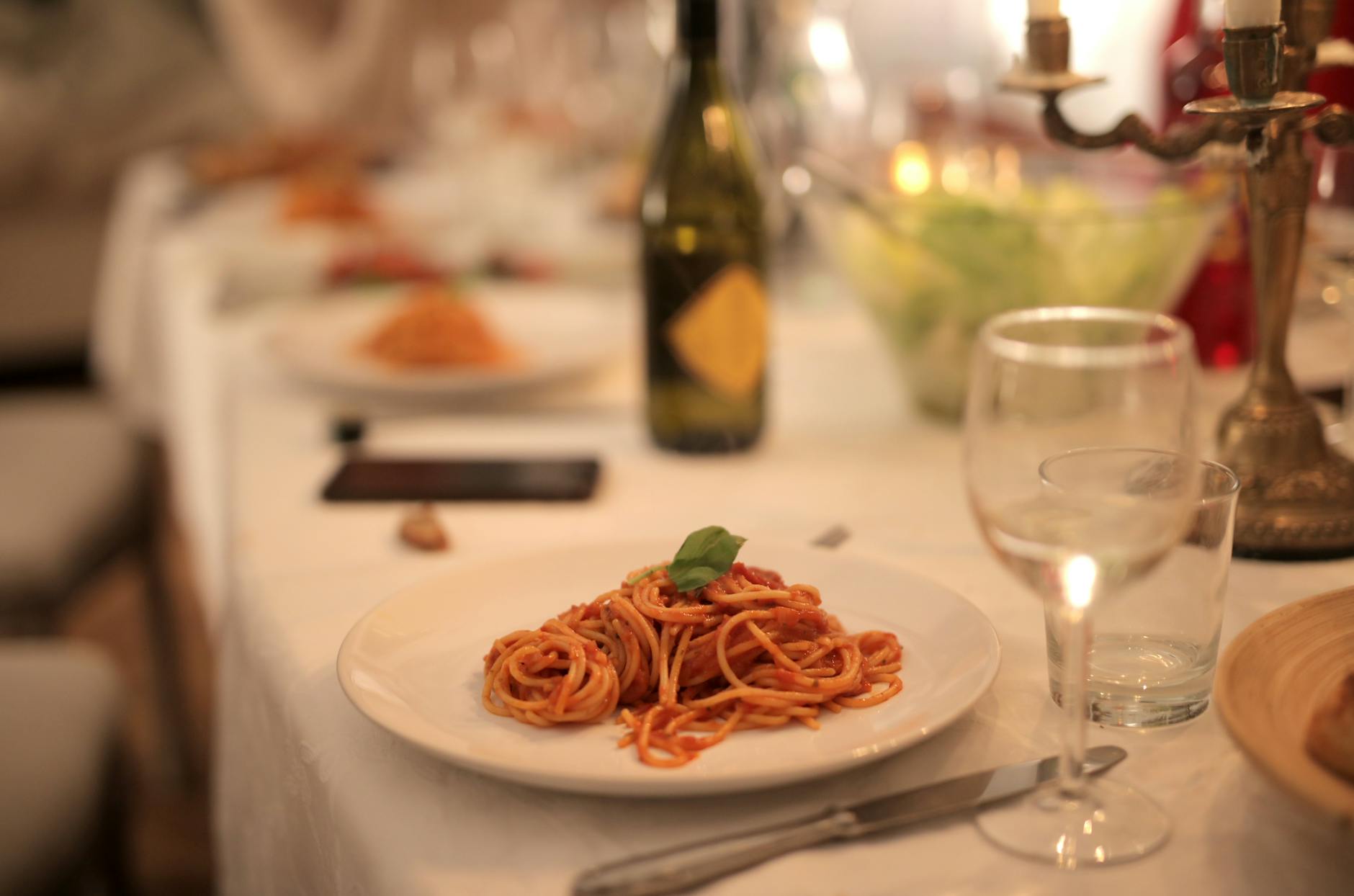
The menú del día in Spain, the menu del giorno in Italy, the ementa do dia in Portugal - these are the same basic thing: a fixed-price weekday lunch that typically includes two or three courses, bread, and a drink. In most places, you’re paying somewhere between €10 and €15 for food that would cost double or more if you ordered it à la carte at dinner.
Most tourists eat this way by accident once, think they got lucky, and then go back to paying full price at restaurants every evening. The smarter move is to structure your whole eating day around it.
Why Lunch Is the Main Event
In southern European culture, the midday meal has historically been the largest of the day. That’s not folklore - it shapes how restaurants are actually run. Kitchens are fully staffed at noon. The fish came in that morning. The chef is alert. By 8pm, you’re often getting reheated specials and a slightly tired kitchen running on momentum.
The set lunch menu exists because restaurants need to turn tables efficiently during the busiest part of the day. You benefit directly from that pressure: fixed menus are fast, generous, and priced to compete.
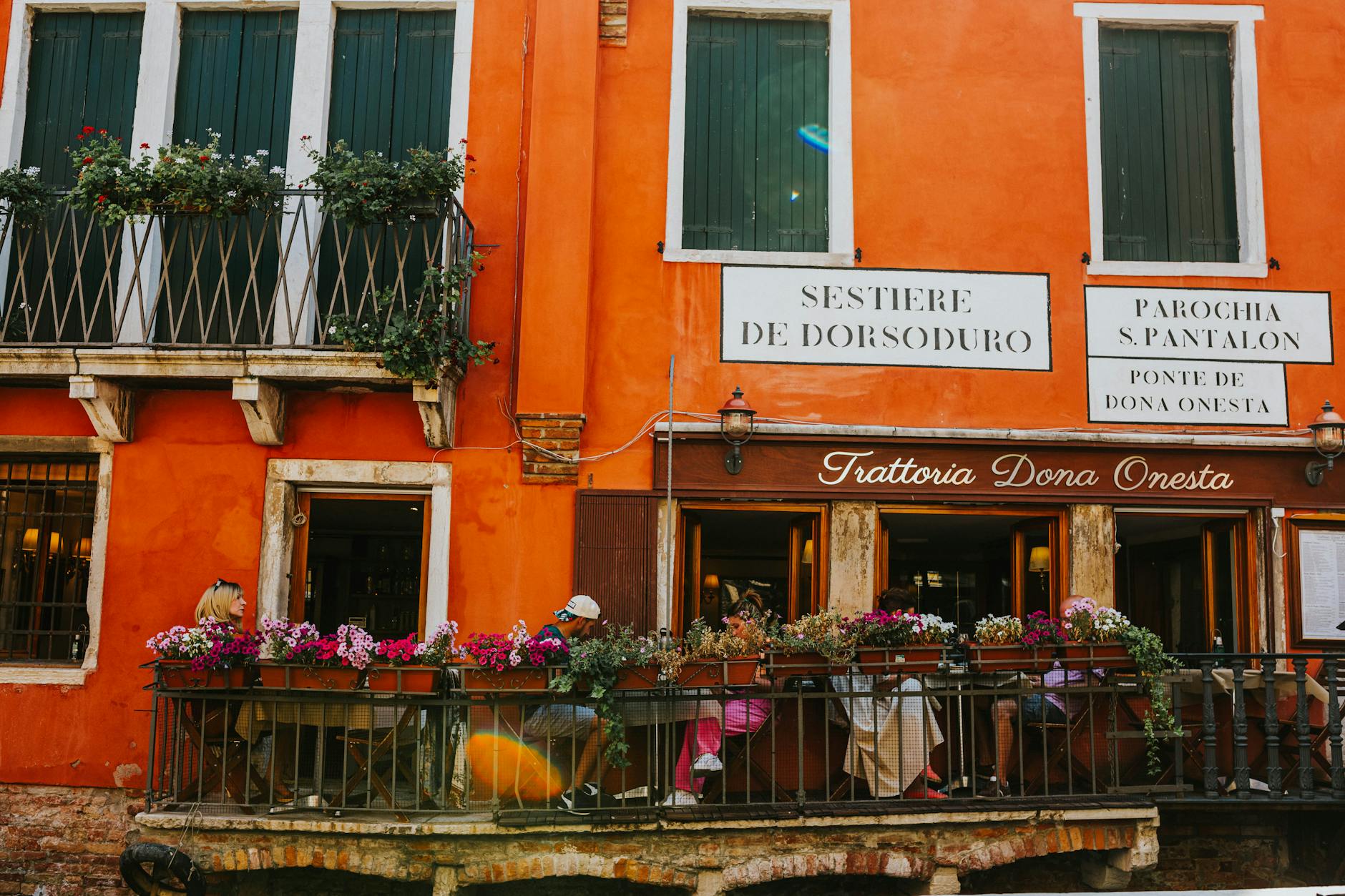
What to Eat at Night
This is where people panic unnecessarily. You don’t need a €40 dinner after a €13 lunch. A plate of jamón and cheese with bread from a supermarket or a late-afternoon snack from a market stall is genuinely sufficient - and often better than whatever overpriced tourist dinner you’d have otherwise sat through.
In Spain, the late-afternoon merienda tradition gives you cover for this. A beer and some olives at a bar costs almost nothing and keeps you comfortable until a light evening snack.
The Real Saving
Over a ten-day trip, eating a proper set lunch every day and keeping dinners cheap or informal can realistically save €200–€300 compared to eating two full restaurant meals daily. That’s not a rounding error - it’s a flight, two nights’ accommodation, or the difference between doing a day trip and skipping it.
The trade-off is slight: you rearrange your sightseeing so you’re not mid-museum at 1pm. In practice, that means mornings for major sites and lunch as a proper break - which, in 35-degree Valencian heat or a Lisbon July, is exactly what you’d want to be doing anyway.