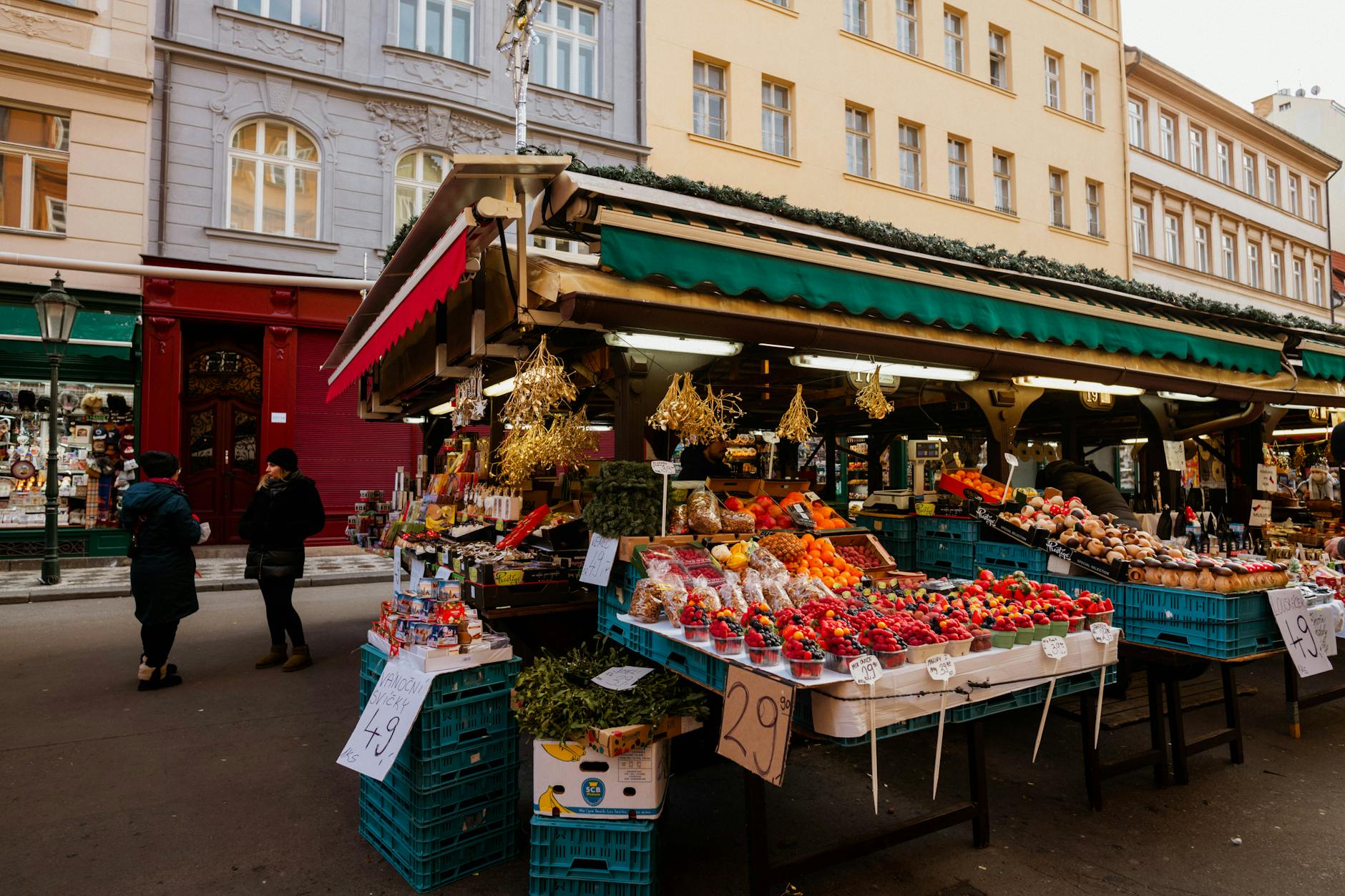
Most budget travel advice treats food as a line item to minimize. Skip the sit-down meal, cook in the hostel kitchen, eat street food. All reasonable - but the advice misses the specific place where cheap and genuinely good overlap most reliably: the covered municipal market.
Not the tourist market selling lavender sachets and novelty magnets. The one where the butcher has been in the same stall for thirty years and the woman selling cheese gets impatient if you can’t decide quickly.
What You Actually Get for Less
In most Southern and Eastern European cities, a market lunch - bread, cured meat or hard cheese, olives, a piece of fruit - costs somewhere between two and five euros if you buy the components yourself. The equivalent sit-down lunch in a restaurant near the same market runs three to four times that. You’re not eating worse. You’re eating the same ingredients before the restaurant adds table service, rent, and margin.
Split’s Pazar market, Bologna’s Mercato delle Erbe, Budapest’s Great Market Hall on the upper floor - these aren’t hidden secrets, but most visitors walk through them to look rather than to eat. The buying is the point.
How to Actually Do It
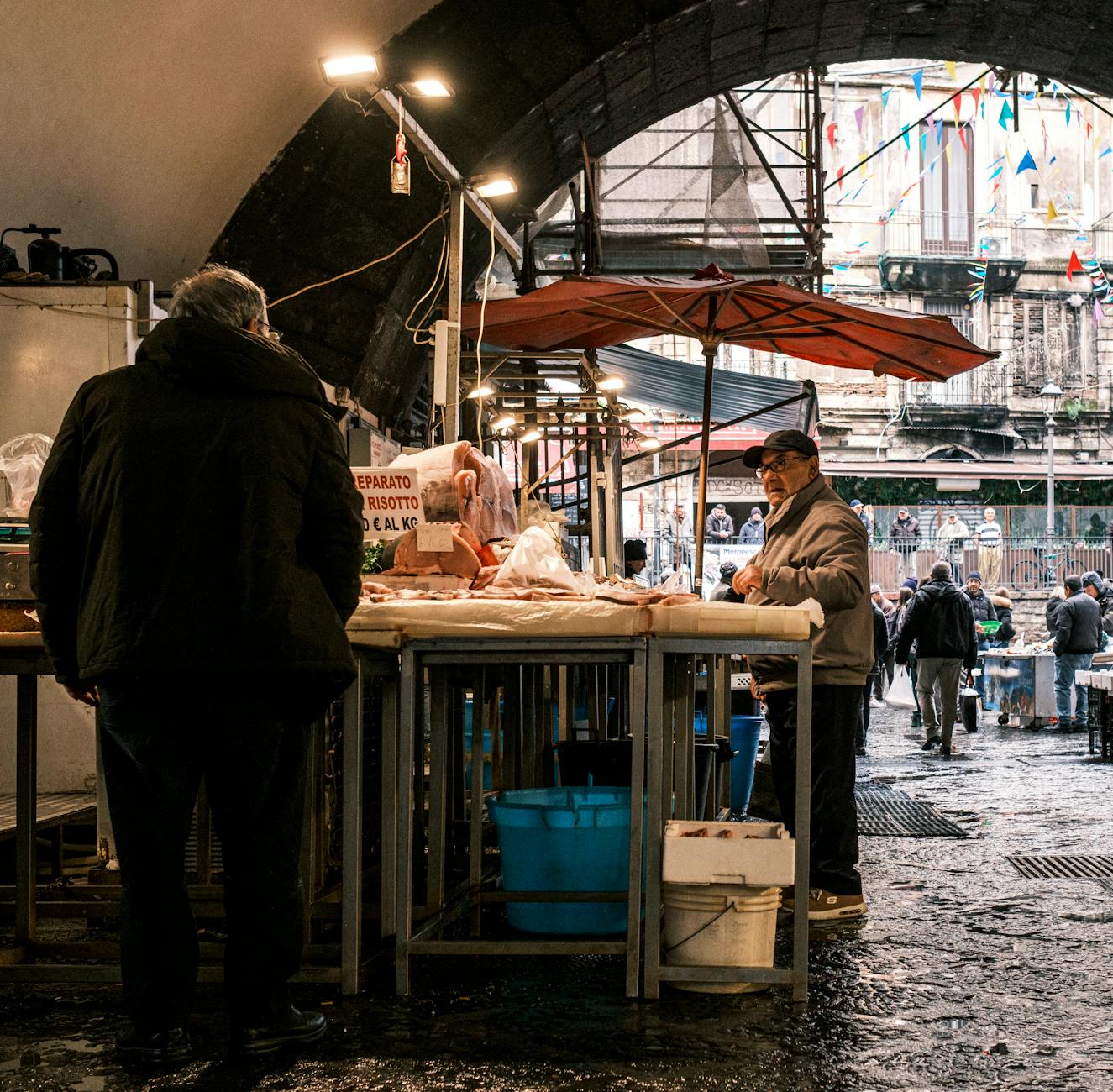
The method is straightforward: arrive around 11am, before the best-prepared food sells out but after the morning rush. Look for stalls selling ready-made items - stuffed vegetables, roasted peppers, arancini, whatever the local version is - rather than only raw produce. These prepared sections exist in almost every serious market and they’re aimed at workers who need lunch, not at travellers, which is precisely what keeps prices honest.
Get comfortable pointing. You don’t need to speak the language to gesture at something and hold up two fingers.
The One Trade-Off
You eat standing up, or sitting on a step, or at a communal table with strangers. There’s no waiter refilling your water or asking how everything is. Some days that feels freeing. Some days, especially after a long travel day, it doesn’t.
That’s a real trade-off, not a trivial one. The point isn’t that restaurants are a waste - it’s that eating at the market every second or third day creates enough slack in the budget that when you do want the sit-down meal with the good local wine, you can order it without doing arithmetic in your head.