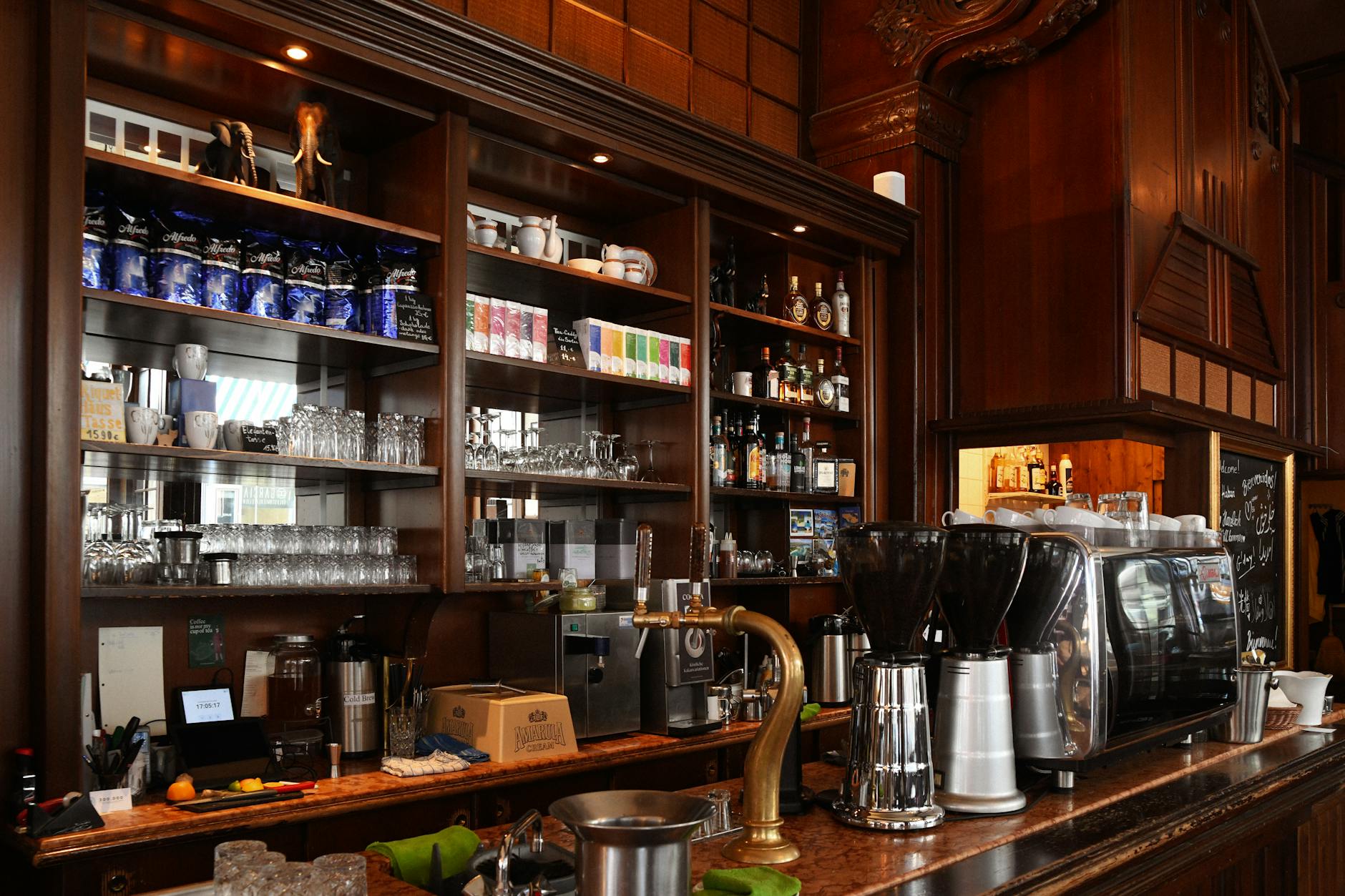
In Italy, the same espresso costs less if you drink it standing up. The price difference between al banco (at the bar) and al tavolo (at a table) is codified in many establishments - it’s not a discount you need to negotiate, it’s just how the system works. A espresso at the counter might cost €1.10. Sit down, and it’s €2.50 or more. Order it from a waiter on a terrace in a tourist square, and you might pay €4.
Most visitors treat this as a coffee-specific quirk. It isn’t.
The Counter Habit Applies to Food Too
In bars that serve food - and in Italy, almost every bar serves food - the same logic holds. A tramezzino (a soft, triangular sandwich) eaten standing at the counter costs between €1.50 and €2.50 in most Italian cities. In Venice, even. Sit down and order from a menu and the same sandwich becomes a €9 snack on a small plate with a paper napkin folded into a triangle.
This is how working Italians eat lunch. They stand at the bar, eat quickly, and leave. The whole interaction takes seven minutes. You can do this too - at breakfast, at lunch, and for mid-afternoon snacks - and you will spend a fraction of what table-service restaurants charge, without eating worse food. Often the food is identical; it comes from the same kitchen.
The bars worth standing in aren’t the ones near major piazzas. Walk one or two streets back, find somewhere with handwritten signs and a glass display case full of panini, and that’s the place.
What You Actually Save
Running the numbers on a four-day city trip: three table-service meals a day at €20–30 each adds up fast. Replacing breakfast and lunch with counter service drops your daily food spend to around €10–15 for those two meals combined, without skipping anything or eating badly. Dinner at a proper restaurant still feels affordable when you haven’t burned through your budget by 2pm.
This isn’t deprivation. A cornetto and an espresso at a Milanese bar on a Tuesday morning, standing next to a man in a suit reading La Gazzetta dello Sport, is one of the more pleasurable ways to start a day in Europe.
One Practical Note
In some busy bars, particularly in Naples and Rome, you pay at the cassa (cash register) first, then take your receipt to the counter and order. Don’t walk straight to the bar and ask - you’ll slow everyone down and confuse the staff. Watch what the person ahead of you does, and follow that.