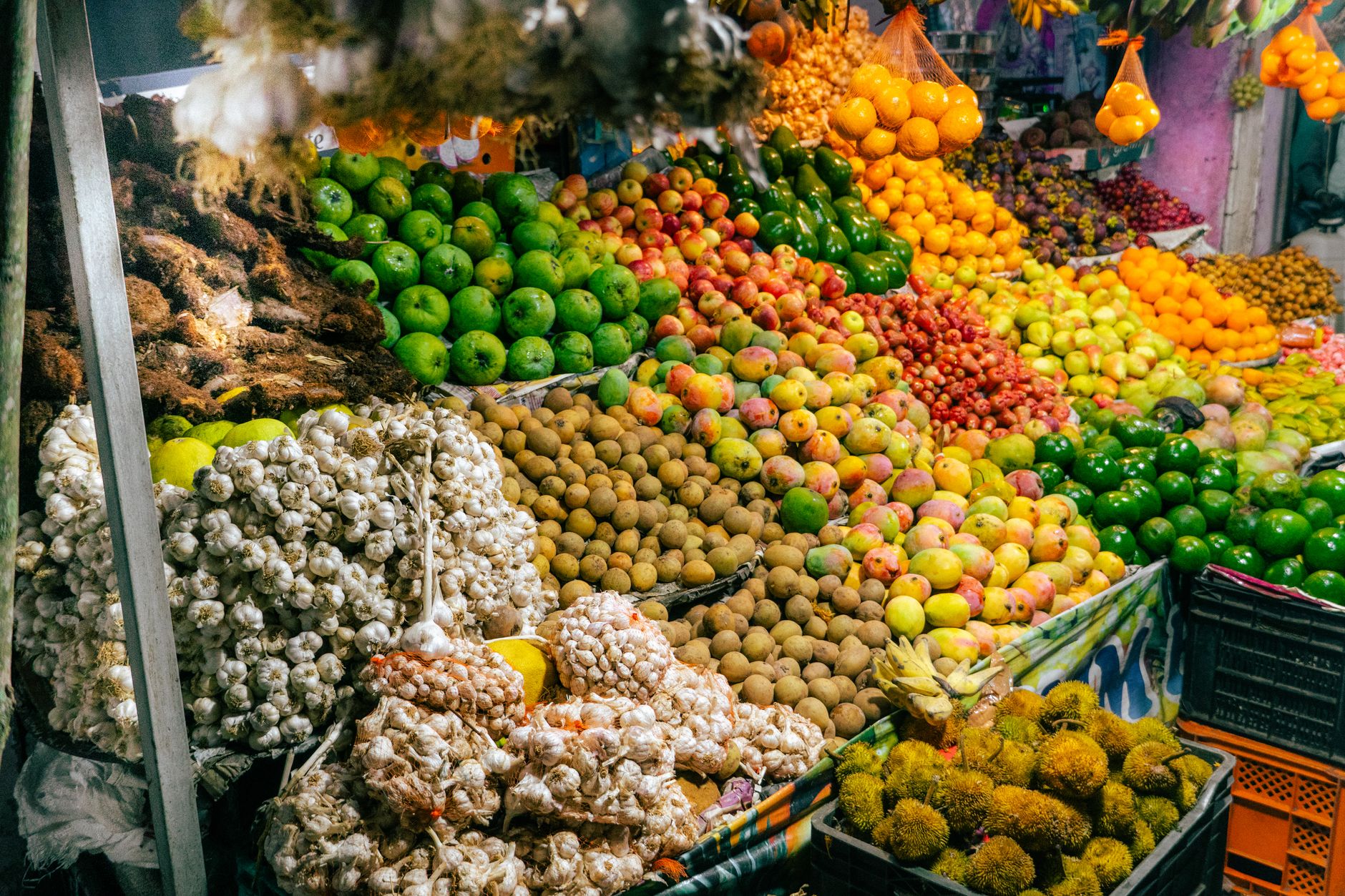
Most budget travel advice about food stops at ‘eat where the locals eat’ - which is fine until you realise you’re still spending €15 a meal at a ‘local’ place that’s been on Google Maps long enough to have a tourist premium baked in. The more reliable move is cooking, at least some of the time. But cooking abroad only saves real money if you’re buying from the right places.
Supermarkets near central accommodation in tourist-heavy cities are frequently priced at a quiet markup. Not dramatically - just enough that you don’t notice until you’ve spent four days buying overpriced yoghurt and wine from a Spar two minutes from your Airbnb. The actual savings come from finding the municipal market, the covered hall, the weekly street market on the edge of the residential neighbourhood - wherever working households actually shop.
In cities like Sarajevo, Tbilisi, or Split’s residential streets above the old town, these markets aren’t hidden. They’re just not on the itinerary. A half-hour walk past the tourist radius often puts you in front of stalls selling seasonal vegetables at prices that feel like a different economy - because, functionally, they are. You’re buying in the same supply chain as people who live there on local wages.
The Accommodation Side of This Matters More Than People Admit
A private room in a hostel with a shared kitchen, or a budget apartment with even a two-burner hob, changes the maths of a trip significantly. Not because you’ll cook every meal - you won’t, and you shouldn’t, because eating out is part of being somewhere - but because having the option means you can be strategic. Breakfast and lunch made in; dinner out at something worth spending money on. That trade-off, applied consistently across a ten-day trip, can cover a night’s accommodation or a long-distance train ticket.
The specific numbers vary too much by destination to generalise usefully. But the structural point holds: the gap between a €6 dinner cooked from market ingredients and a €18 sit-down meal adds up faster than almost any other line item in a travel budget.
One Thing Worth Remembering
Not all accommodation kitchens are actually functional. A listing that says ‘kitchen access’ can mean anything from a full setup to a shared microwave and a kettle. It’s worth checking photos and reading reviews specifically for mentions of cooking before booking - or just messaging the host directly. What they say, and how quickly they respond, usually tells you something.
There’s also the question of how much of your trip you actually want to spend thinking about food logistics. Some destinations make market shopping feel like part of the experience. Others just make it feel like effort. That line is personal, and probably shifts depending on how long you’re there.