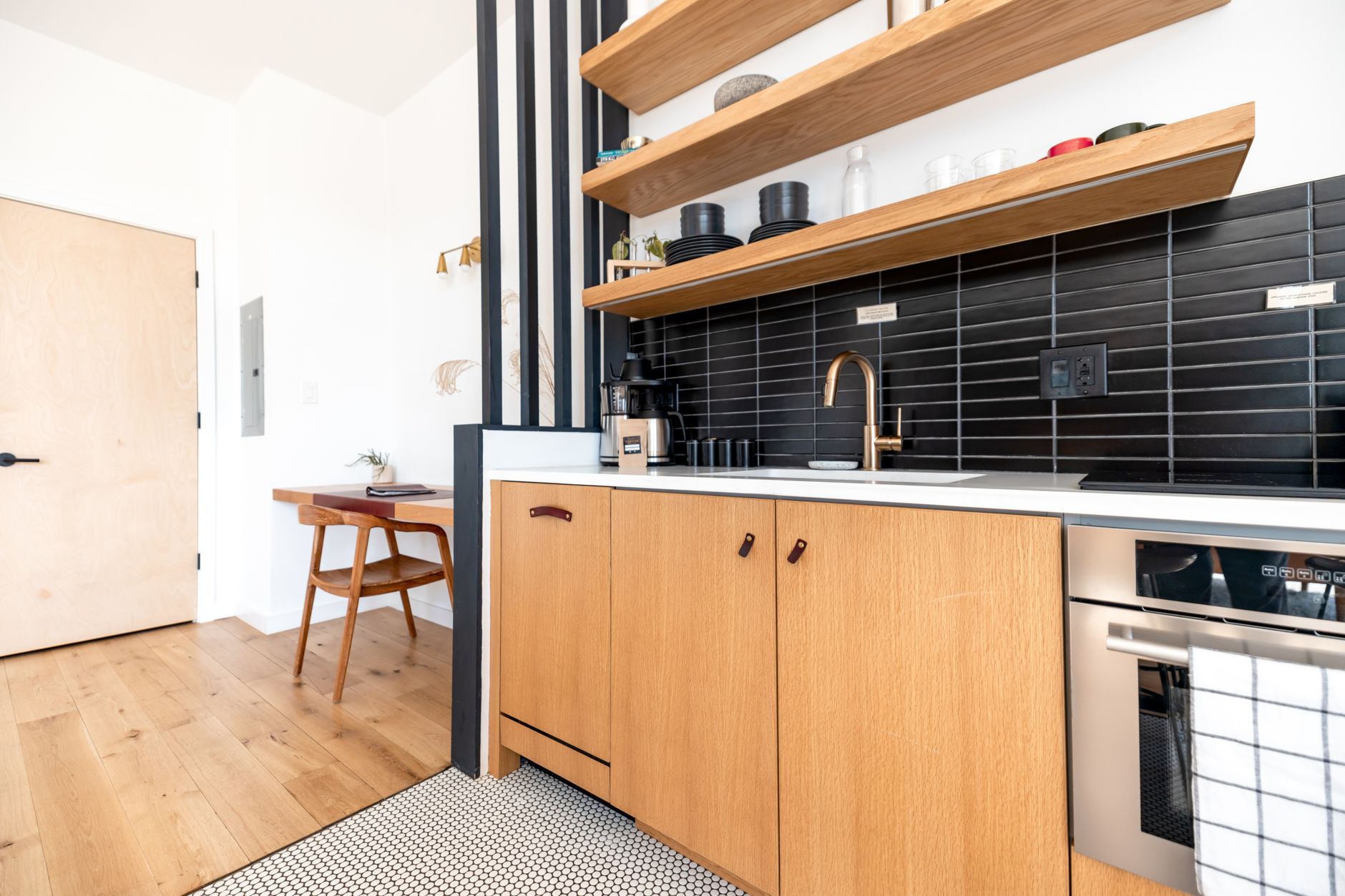
The assumption that eating out every meal is just part of travelling - that cooking is somehow giving up - costs people hundreds of euros on a two-week trip without them noticing. It happens gradually: a €4 coffee here, a €14 lunch because everywhere near the museum was tourist-priced, a dinner where you ordered more than you wanted because you were already sitting down. It adds up faster than flights or accommodation.
Self-catering doesn’t mean surviving on supermarket sandwiches. It means booking somewhere with a kitchen - an apartment on Booking.com or Airbnb, a hostel with a shared kitchen, even some guesthouses that have a basic setup - and treating the local market as part of the destination rather than a photo opportunity.
The Market Is the Whole Point
In most Southern and Eastern European cities, a morning at the covered market will cost you less than a single sit-down breakfast and give you significantly more. Fresh bread, local cheese, olives sold by weight, vegetables that haven’t been pre-packaged - the quality is often higher than mid-range restaurants because the supply chain is shorter. In cities like Split, Ljubljana, and Catania, the central market is where locals actually shop, not a performance for visitors. Buying there and cooking something simple back at the apartment is, genuinely, one of the better ways to eat on a trip.
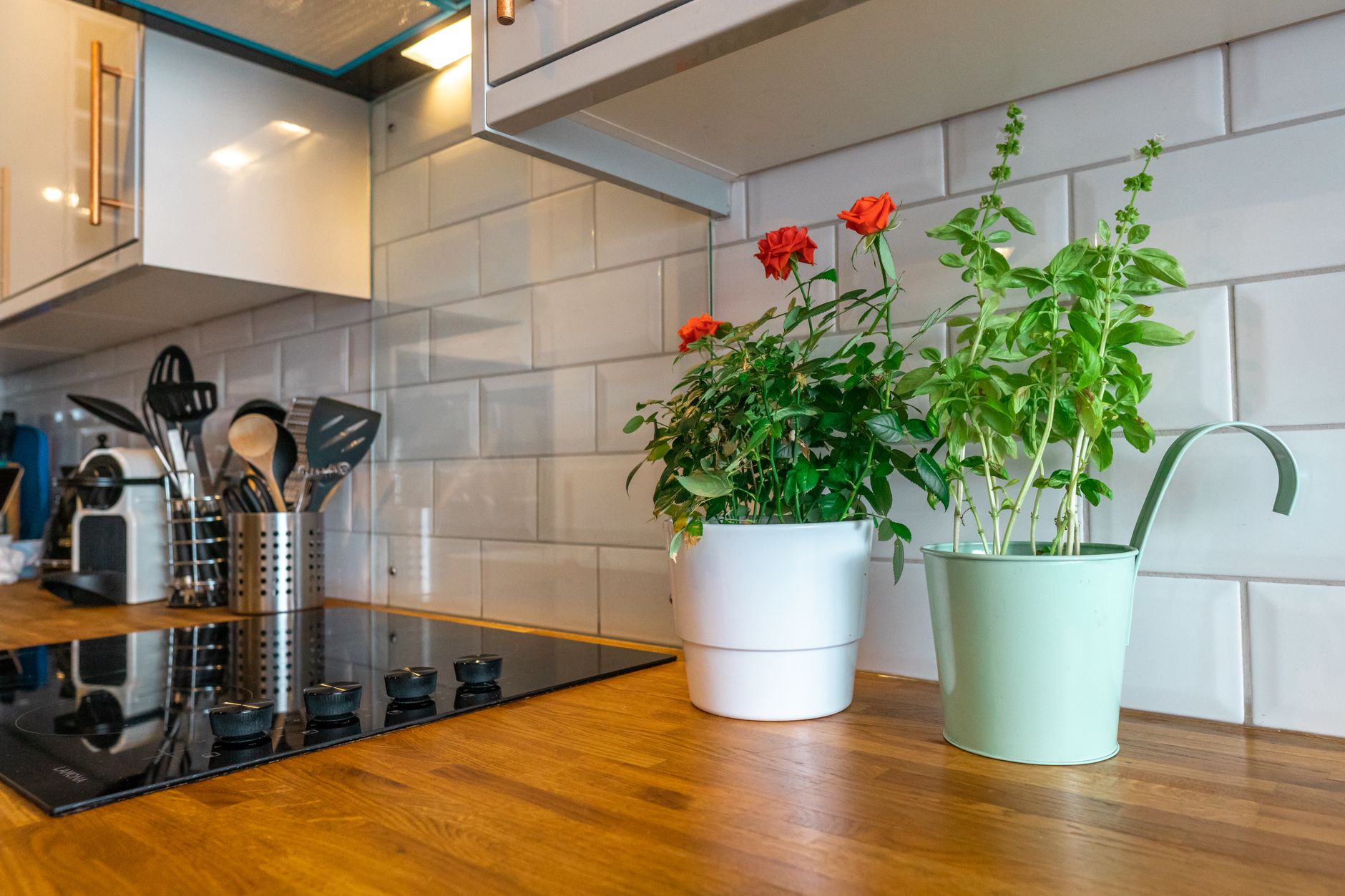
Lunch out, everything else in - that’s the ratio that works. Restaurants around midday are cheaper than in the evening in most of Europe, and lunch menus (prix-fixe or menú del día in Spain, menù fisso in Italy) offer the same kitchen at roughly half the dinner price. Eating your main meal at 1pm and cooking something lighter in the evening removes the most expensive variable from the day.
What You’re Actually Paying For
A private apartment with a kitchen typically costs more per night than a hotel room of equivalent size. That gap closes quickly when you’re not spending €25–40 per person on dinner.
The other thing self-catering changes is pace. You stop making decisions around restaurant hours, stop waiting for tables, stop eating when you’re not hungry because the booking is at 8pm. There’s something to be said for that - though whether it suits you depends on how much of your travel identity is built around restaurant meals, which is a more honest question than most budget advice asks you to consider.