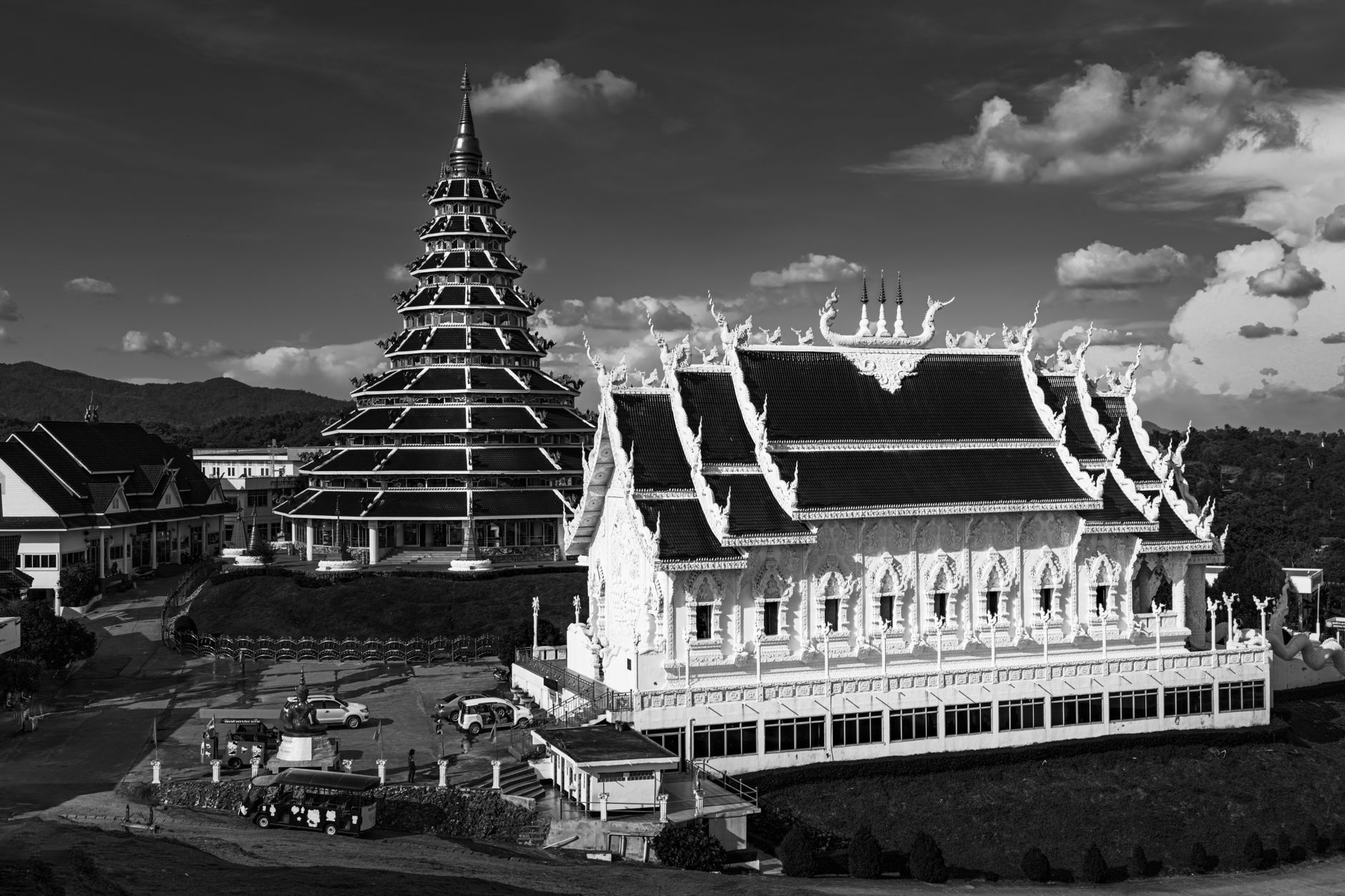
Most people who go to Chiang Rai don’t really go to Chiang Rai. They arrive on an early minivan from Chiang Mai, spend three hours at Wat Rong Khun - the White Temple - photograph the bridge, eat a quick lunch, and head back south by mid-afternoon. They’ve seen the most famous thing and missed the actual place.
Chiang Rai the city is small enough to walk across in an hour, unhurried. The Night Bazaar on Phahonyothin Road is low-key compared to anything in Chiang Mai - fewer stalls, less pressure, the kind of market where you can stop and eat without someone redirecting you toward a silk scarf. The clock tower in the centre, designed by the same artist who built the White Temple, Chalermchai Kositpipat, lights up in the evenings and draws a small crowd of locals and a handful of tourists who seem surprised it’s there at all.
The case for staying at least two nights isn’t about cramming more temples in. It’s that the city operates on a pace that takes a full day just to settle into. Guesthouses here are genuinely cheap - not budget-travel cheap, but priced for a Thai domestic tourism market rather than the international one. You notice the difference immediately.
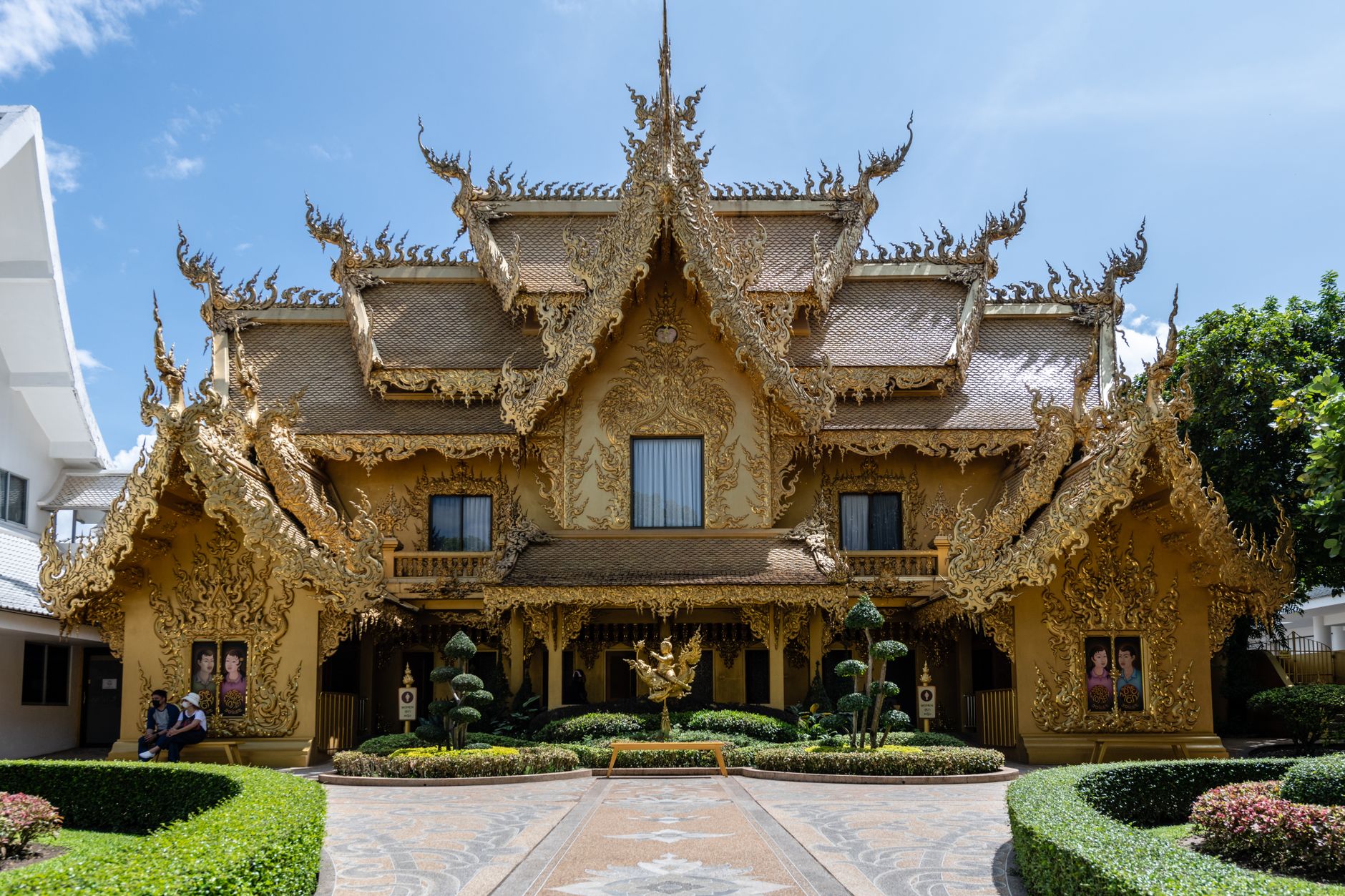
Wat Rong Suea Ten, the Blue Temple, sits about four kilometres from the city centre and gets a fraction of the White Temple’s visitors despite being completed only in 2016 and being, by most measures, just as visually striking. The interior ceiling work in particular is something you can’t quite photograph accurately - the depth of the blue doesn’t compress well.
The border with Myanmar at Mae Sai is about an hour north. The Golden Triangle, where Thailand, Laos, and Myanmar meet at the Mekong, is another hour east. Neither of these is a must-do, but both reframe where you are geographically in a way that a day trip from Chiang Mai never quite manages. You’re at the edge of something up here - the country thins out, the hills get serious, and the signs start appearing in scripts that aren’t Thai.
What Chiang Rai asks of you is unhurried time, which is exactly what most itineraries don’t budget for it.