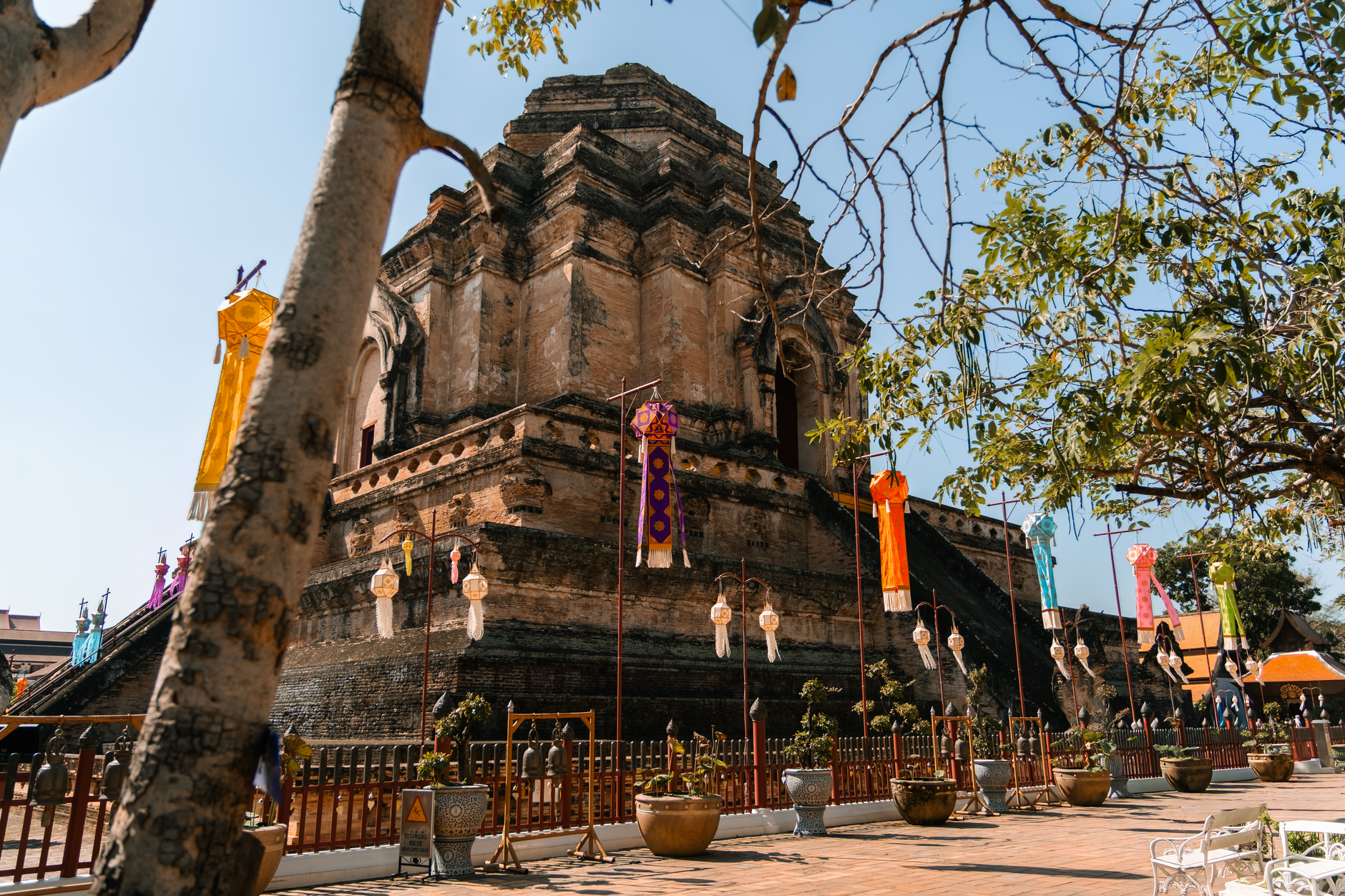
The moat around Chiang Mai’s Old City is one of those geographical features that becomes a psychological boundary. Tourists book guesthouses inside the square, within walking distance of Wat Phra Singh and the Sunday Walking Street, and spend their entire trip oriented inward. It’s a reasonable instinct - and almost certainly the wrong one.
The neighbourhoods directly outside the moat, particularly Nimman to the northwest and the area around Wat Gate (Warorot) to the east, operate at a completely different register. Less foot traffic from package tours, more actual density of people eating lunch at 12:30pm because they work nearby. The prices at restaurants drop noticeably once you cross the moat in either direction, not because the food gets worse but because the customer base changes.
Nimman Is Overrated - But Only the Main Strip
Nimman Road itself has become something of a casualty of its own reputation. The cafés along the central stretch of Nimmanhaemin Road are well-designed and do excellent coffee, but they’re priced for digital nomads with European income and frequented heavily by domestic Thai tourists on weekends. It photographs well.
The Nimman that’s worth staying in is the sois - the side streets numbered off the main road. Soi 9 and Soi 11 in particular have guesthouses and small hotels that sit in genuine residential blocks. You’re next to a family-run noodle shop that doesn’t have an English menu and a 7-Eleven that the neighbourhood actually uses. That proximity to ordinary city life is what the Old City, for all its temples and charm, largely can’t offer.
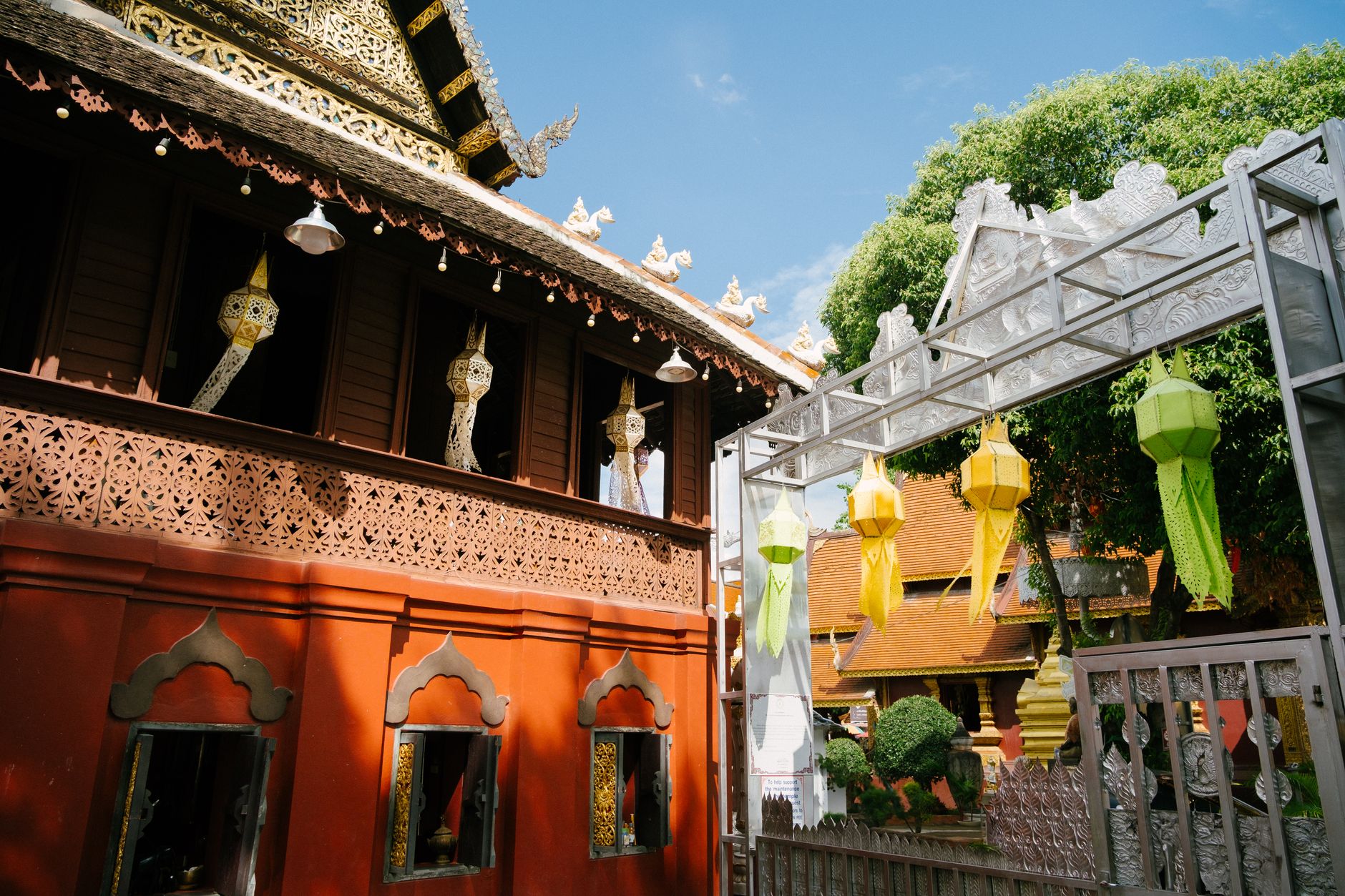
The Moat Road at 6am
If you are staying inside the Old City, there’s one reliable reason to set an alarm: the moat road before the day tours start moving. Monks collecting alms still pass through the Old City in the early morning, and the light on the brick walls and temple rooflines is genuinely worth the hour. After about 8am it’s a different place entirely.
Timing Shapes Everything Here
Chiang Mai during the Songkran festival in April is deliberately chaotic - the water fights around the moat are not incidental but central. During burning season, roughly February to April, air quality in the valley can deteriorate significantly and is worth factoring into timing for anyone with respiratory sensitivities. The cool season between November and February is when the city is at its most comfortable and its most crowded.
The question of which Chiang Mai you want - the heritage circuit or something closer to a city people actually inhabit - mostly comes down to where you sleep. The moat is just a moat.